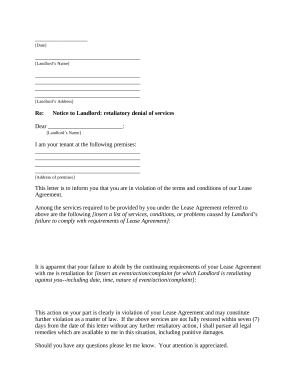
Definition and Meaning of peegcom
The term "peegcom" refers to a specific form or document used within various regulatory or collaborative contexts. While the acronym may differ across industries, it generally denotes a standardized format that facilitates information gathering or official requests. This form serves numerous purposes depending on its context, such as tax compliance, application processes, or regulatory submissions.
Understanding the implications of using the peegcom is vital for individuals and businesses alike. This knowledge helps ensure proper adherence to legal obligations while also enabling efficient processing of documentation. For instance, in a tax context, the peegcom may be necessary for providing essential financial information to the IRS, ensuring compliance with federal guidelines.
Key Components of the peegcom
- Identification Information: Basic data required for verification, such as name, address, and identification numbers.
- Purpose of the Form: A clear explanation of why the document is needed, which can vary based on the specific application or requirement.
- Details on Submission: Instructions for how to properly complete and submit the form, including deadlines.
How to Use the peegcom
Using the peegcom efficiently requires familiarity with its structure and purpose. Each section of the form should be filled out according to provided guidelines to ensure accuracy. Follow these steps for successful utilization:
- Review Requirements: Before starting, review the requirements for the form to understand what information is needed.
- Gather Necessary Information: Compile all necessary documents and information required for completion, such as previous tax documents for IRS-related forms or identification numbers for regulatory purposes.
- Complete Each Section: Fill in each section of the peegcom carefully. Ensure that all fields are accurately completed to avoid delays in processing.
- Submit the Form: Follow specific instructions for submitting the completed form based on its use—whether online, via mail, or in person.
It's important to maintain a clear focus on accuracy throughout the entire process to mitigate any risks of rejection or delays.
Steps to Complete the peegcom
Completing the peegcom involves a systematic approach to ensure that all necessary information is correctly filled out. The following steps can guide you through this process:
- Obtain the Form: Download or request the peegcom from the relevant authority or organization.
- Read Instructions Carefully: Review the instructions provided with the form, as they often include crucial details that could affect your application.
- Fill in Personal Information: Begin with your identifying information such as name, address, and contact number.
- Provide Additional Information: Enter any required details specific to the nature of the form, such as financial data or compliance information.
- Review and Double-Check: Before finalizing, revisit each section of the form to ensure accuracy and completeness.
- Submit According to Guidelines: Submit the form using the specified method, ensuring you meet any outlined deadlines.
If you follow these steps, you can complete the peegcom with confidence, minimizing the chance for errors and facilitating a smoother processing experience.
Important Terms Related to peegcom
Several key terms are frequently associated with the peegcom. Understanding these terms can enhance clarity and ensure effective communication regarding the form's use:
- Legally Binding: Indicates that the contents of the form are enforceable by law, ensuring that all parties uphold their commitments.
- Filing Deadline: The timeline by which the form must be submitted to avoid penalties or non-compliance.
- Submission Methods: Various approved methods for submitting the form, such as electronically or through traditional mail.
- Regulatory Compliance: The adherence to laws and guidelines set forth by governing bodies pertinent to the use of the form.
Familiarity with these terms aids in comprehending the broader implications of using the peegcom and reinforces informed decision-making.
Legal Use of the peegcom
Understanding the legal framework surrounding the peegcom is essential to ensure compliance and avoid potential penalties. The form must be utilized in accordance with applicable regulations, which can vary depending on the specific context and jurisdiction. Here are the key aspects of legal usage:
- Compliance with Regulatory Standards: Organizations must ensure that the way they use the peegcom aligns with relevant local, state, and federal laws. Non-compliance can lead to audits or legal repercussions.
- Retention of Records: It is often legally required to maintain copies of submitted forms for a specified period. This practice provides documentation in case of disputes or inquiries.
- Authorized Signatures: The form may require signatures from authorized individuals to validate its contents. This legal requirement reinforces accountability among parties involved.
By adhering to these legal standards, individuals and entities can effectively navigate the regulatory landscape associated with the peegcom.
Examples of Using the peegcom
The versatility of the peegcom allows it to be employed in various scenarios across different sectors. Here are some practical examples:
- Tax Reporting: Individuals may use the peegcom for reporting income or deductions during tax season, ensuring compliance with IRS regulations.
- Business Applications: New businesses often utilize the peegcom when applying for permits or licenses, which require specific information about the business entity.
- Reporting Changes: In certain contexts, the peegcom is used to report changes in business structure, ownership, or financial conditions, which is essential for maintaining compliance with regulatory requirements.
These examples illustrate the adaptability of the peegcom in different areas and highlight its importance in maintaining organizational and legal compliance.