






Definition and Meaning
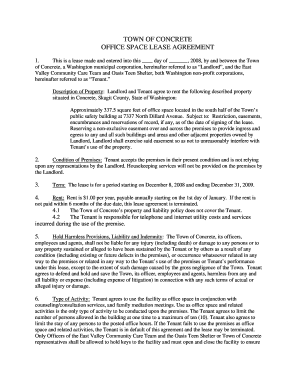
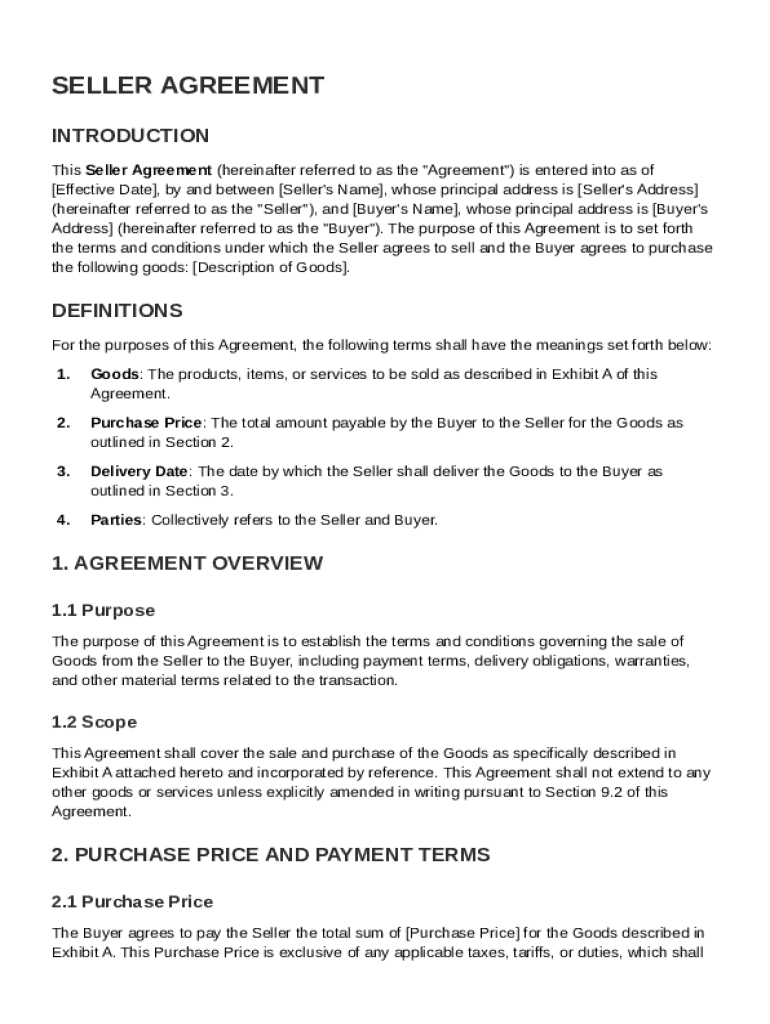
The Seller Agreement Template is a critical document that outlines the terms and conditions between a seller and buyer during a transaction for the sale of goods. It serves as a foundational agreement that details important aspects such as the purchase price, payment terms, delivery obligations, and warranties. This document ensures that both parties are aware of their rights and responsibilities, providing a clear framework for the transaction. It helps to prevent misunderstandings by clearly defining elements like confidentiality, termination rights, governing law, and miscellaneous provisions.
Key Elements of the Seller Agreement Template
A comprehensive Seller Agreement Template includes several key elements essential for outlining the transaction's specifics. These elements typically consist of:
- Purchase Price and Payment Terms: Clearly states the total cost of goods and the method of payment.
- Delivery Obligations: Details the logistics involved in handling and delivering the sold goods to the buyer.
- Warranties and Guarantees: Specifies any guarantees provided by the seller regarding the quality or condition of the goods.
- Confidentiality Clauses: Ensures that any sensitive information shared between parties remains protected.
- Termination Rights: Outlines the conditions under which the agreement can be terminated by either party.
Steps to Complete the Seller Agreement Template
Completing a Seller Agreement Template involves several steps to ensure accuracy and compliance. Follow this process to prepare a thorough document:
- Enter Seller and Buyer Details: Include the full legal names and contact information of both parties involved.
- Specify Goods and Services: Clearly describe the goods or services being sold, including any important specifications or requirements.
- Outline Payment and Delivery Details: State the agreed price, payment terms, and delivery schedule. Include any conditions related to these elements.
- Review and Include Warranties: Add any warranties or guarantees that apply to the transaction.
- Include Essential Clauses: Add clauses related to confidentiality, dispute resolution, and termination criteria to protect both parties.
- Review and Sign: Both parties should review the document carefully. Once satisfied, they must sign the agreement to make it legally binding.
Legal Use of the Seller Agreement Template
Using the Seller Agreement Template legally ensures that the rights and obligations of both the seller and buyer are protected under the law. It is crucial to verify that the agreement complies with relevant laws and regulations. Typically, this means the document should:
- Adhere to State and Federal Laws: Ensure that the agreement respects both state-specific and federal laws that govern sales transactions.
- Include a Governing Law Clause: Specify which jurisdiction's laws apply in case of a dispute, often aligning with the seller's location.
- Comply with Commercial Codes: Be consistent with the Uniform Commercial Code (UCC), which governs sales transactions across the U.S.
How to Use the Seller Agreement Template
Using the Seller Agreement Template effectively involves understanding its provisions and how they apply to your specific transaction. Here’s how to ensure it’s tailored to your needs:
- Customize for Specific Transactions: Modify sections to address unique transaction requirements, like specific delivery methods or customized payment schedules.
- Consult with a Legal Professional: To ensure clarity and legality, consulting with a legal expert can be beneficial in customizing the template for complex transactions.
- Regular Updates and Amendments: Over time, transaction terms may change. Use the template to update agreements as needed, ensuring ongoing relevance and compliance.
Important Terms Related to the Seller Agreement Template
Understanding specific terms used within the Seller Agreement Template is essential for its effective use:
- Purchase Price: The total sum agreed upon for the sale of the goods.
- Force Majeure: A clause that exempts parties from liability if unforeseen events prevent them from fulfilling the agreement.
- Indemnification: A provision protecting one party from legal responsibility for certain actions of the other.
- Non-Disclosure Agreement (NDA): Sometimes included to maintain confidentiality of sensitive transactional details.
Who Typically Uses the Seller Agreement Template
The Seller Agreement Template is used by a wide range of entities involved in sales transactions:
- Small Business Owners: Engage in regular sales of goods to consumers or other businesses.
- Large Corporations: Frequently conduct high-volume transactions requiring detailed agreements.
- Freelancers or Independent Contractors: Use the template when selling goods or services to clients.
- Retailers and Distributors: Employ these agreements to manage vendor relationships and product distribution.


Software Compatibility and Integration
The Seller Agreement Template can be utilized through various software programs for effective management and integration into business processes:
- DocHub: Offers a robust platform for editing, signing, and sharing agreements seamlessly.
- Microsoft Word and Google Docs: Facilitate easy editing and sharing of the templates.
- Accounting Software (e.g., QuickBooks): Allows tracking of transaction details and linking to broader financial data.
Why Should You Use the Seller Agreement Template
A Seller Agreement Template provides significant value by:
- Reducing Legal Risks: Ensuring all key terms and conditions are captured reduces potential disputes.
- Enhancing Professionalism: Demonstrating clear communication and professionalism to business partners.
- Streamlining Transactions: Simplifying the process of selling goods with a ready-made, adaptable framework.
This structured layout of the Seller Agreement Template provides an informative guide for effective management and execution of sales transactions while ensuring comprehensive legality and functionality.