






Understanding the Annual Nurse Competency Checklist
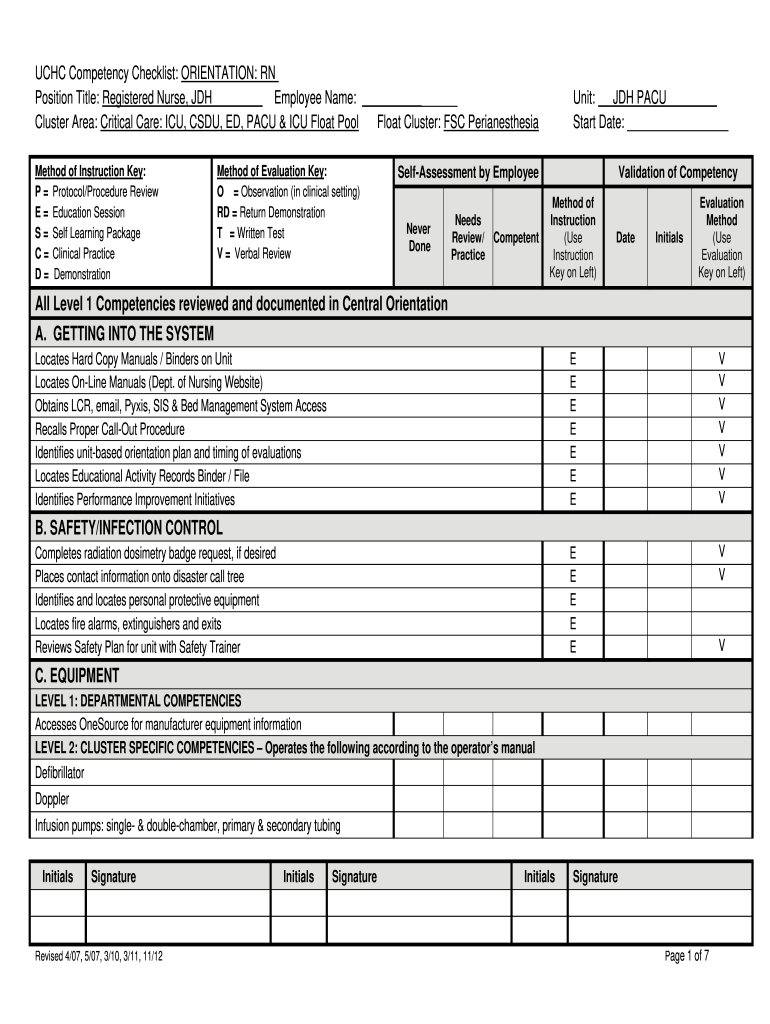
The annual nurse competency checklist is a critical tool used by healthcare organizations to assess and validate the skills and performance of registered nurses (RNs) throughout the year. This checklist serves as a structured framework to ensure that nurses meet the necessary standards of care while also enhancing patient safety and overall quality of service.
Key Components of the Competency Checklist
The checklist typically encompasses several essential sections designed to evaluate various competencies of nurses. Among these are:
-
Clinical Skills: This section assesses the hands-on skills required in nursing practice, including patient assessments, medication administration, and emergency response techniques. Specific competencies might include wound care competency or intravenous therapy.
-
Technical Proficiencies: Nurses must demonstrate proficiency in the use of medical technologies and equipment. This includes understanding how to operate monitoring devices, infusion pumps, and other healthcare technologies critical to patient care.
-
Safety Protocols: Integral to nursing practice, this section evaluates adherence to safety and infection control standards. Nurses must be knowledgeable about standard precautions, hand hygiene, and the handling of hazardous materials.
-
Documentation and Communication: Effective communication is vital in nursing. This part of the checklist assesses skills in accurate documentation, reporting critical patient information promptly, and collaborating with interdisciplinary teams.
Utilizing the Annual Nurse Competency Checklist
To effectively implement the annual nurse competency checklist, healthcare facilities should establish a systematic approach:
-
Initial Assessment: Nurses should complete a self-assessment to identify areas of strength and opportunities for improvement.
-
Observation and Validation: Supervisors or team leads should observe clinical practice to provide real-time feedback and validate competencies listed on the checklist.
-
Combined Learning Opportunities: Organize workshops or training sessions based on collective assessment results to address common skill gaps recognized during the evaluation.
Frequency of Usage and Review
The annual nurse competency checklist should be reviewed and updated on a regular basis, typically once a year, to reflect the evolving healthcare environment and any new regulatory requirements. Regular reviews ensure that the assessment remains relevant and effectively measures current clinical practices.
Format and Accessibility
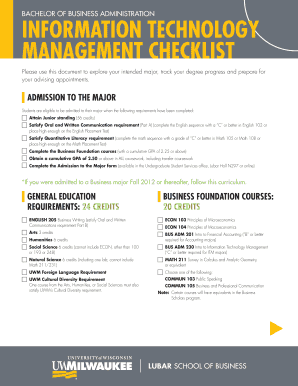
The format of the checklist can vary, with many organizations opting for a digital format to streamline data collection and enhance accessibility. Utilizing a nursing competency checklist template allows for easy updates and customization to fit the specific needs of the nursing team. This approach can improve the ease of tracking progress over time.
Importance of the Annual Nurse Competency Checklist
Implementing the annual nurse competency checklist provides multiple benefits, such as:
-
Improving Patient Care: Ensuring that all nurses maintain and develop their clinical competencies directly impacts the quality of patient care delivered.
-
Enhancing Team Cohesion: A shared understanding of competencies fosters collaboration and communication among nursing staff and improves overall team dynamics.
-
Regulatory Compliance: Maintaining a robust competency checklist helps healthcare organizations comply with state and federal regulations, contributing to overall accreditation readiness.
Conclusion
The annual nurse competency checklist is an essential aspect of nursing practice within healthcare organizations. By implementing a structured and systematic approach to evaluating nursing competencies, organizations can ensure high standards of patient safety and care while fostering professional growth among their nursing staff.