Definition and Meaning of Volvo Driving School
The term "Volvo driving school" refers to a specialized educational program focused on training individuals in the operation of Volvo vehicles. These programs are designed to prepare participants for various driving scenarios, whether for personal use or professional driving careers, such as bus or truck operation. Within this context, training typically covers essential aspects of vehicle control, safety protocols, and familiarization with unique features of Volvo's automotive technology.
Comprehensive Training Curriculum
Volvo driving schools provide a range of curricula tailored to the type of vehicle being operated:
- Theory Classes: These classes cover driving regulations, safety practices, and the specific technologies used in Volvo vehicles.
- Practical Driving Experience: Participants receive hands-on training with certified instructors, focusing on vehicle handling, navigation, and emergency response techniques.
- Specialized Training: For those pursuing commercial driving, courses may include defensive driving tactics, passenger safety (particularly for bus operators), and vehicle maintenance basics.
Importance of Certification
Obtaining certification from a recognized Volvo driving school enhances the credentials of drivers. This certification often serves as a prerequisite for employment with companies using Volvo vehicles, thereby increasing job opportunities in sectors such as public transportation, trucking, and logistics.
Steps to Complete the Volvo Driving School
Completing the training at a Volvo driving school involves several structured steps, ensuring that participants gain the necessary skills and knowledge.
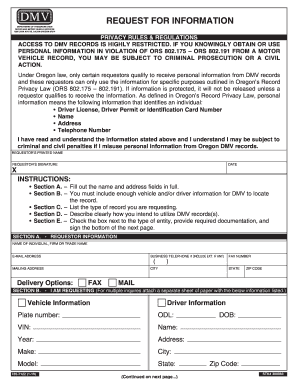
- Application Process: Individuals typically begin by filling out an application form, providing personal and professional details, including driving history and qualifications.
- Enrollment: Once accepted, students enroll in specific courses, which may vary depending on the type of Volvo vehicle they aim to operate.
- Class Attendance: Participants must attend both theoretical and practical sessions, engage with instructors, and complete any required assignments or assessments.
- Final Evaluation: Successful completion of the course usually culminates in a final evaluation, which may include both written and practical driving tests to assess competency.
- Certification Issuance: Upon passing the evaluation, graduates receive a certification that can be used to validate their driver training for respective employment opportunities.
Important Terms Related to Volvo Driving School
Understanding key terms related to the Volvo driving school enhances comprehension of the training process and its implications:
- Driver Training Application: A form used to register for courses, detailing personal and experience information.
- Certification: An official document confirming completion of the driving school program and competency in operating Volvo vehicles.
- Driving Regulations: Laws and rules governing the operation of motor vehicles, critical in maintaining safety on the road.
- Commercial Driving License (CDL): A required credential for individuals operating heavy vehicles, including Volvo trucks and buses, within a commercial context.
Legal Use of the Volvo Driving School
Attending a Volvo driving school is legally sanctioned and essential for compliance with state driving laws, particularly for commercial driving. Each state may have specific legal requirements concerning:
- Licensing: Certain states require proof of formal training from accredited driving schools as part of the licensing process for commercial drivers.
- Insurance Considerations: Many insurance providers prefer or require drivers to have participated in a recognized driving school to qualify for commercial vehicle insurance.
Compliance with these regulations not only enhances safety but also supports individuals in obtaining the necessary credentials for employment in transportation roles.
Key Elements of the Volvo Driving School
A well-structured Volvo driving school encompasses several key components, making the training effective and comprehensive:
- Qualified Instructors: Experienced professionals who understand both the vehicles' technical aspects and the importance of effective teaching methodologies.
- Modern Facilities: Access to up-to-date training vehicles and equipment to simulate real-world driving environments accurately.
- Supportive Learning Environment: A focus on inclusivity and support to cater to learners from diverse backgrounds and varying skill levels.
- Hands-On Experience: Opportunities for participants to practice driving under varied conditions, including urban, highway, and adverse weather scenarios, to build confidence.
State-Specific Rules for the Volvo Driving School
Regulatory requirements may differ from state to state, impacting how Volvo driving schools operate and what is required of participants:
- Training Duration: Some states mandate a minimum number of training hours before certification can be granted, affecting how driving schools design their curricula.
- Testing Authority: The body responsible for conducting driving tests and issuing licenses varies, which can impact certification recognition across state lines.
- Age Requirements: Different states impose varying age limits for participating in driving schools, particularly for obtaining commercial licenses.
Awareness of these differences is crucial for students to ensure compliance and recognition of their training across jurisdictions.