



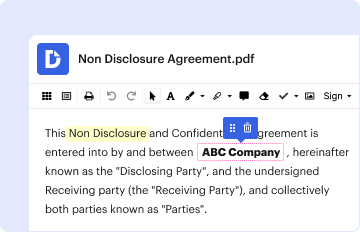
01. Edit your act 151 clearance online
Type text, add images, blackout confidential details, add comments, highlights and more.

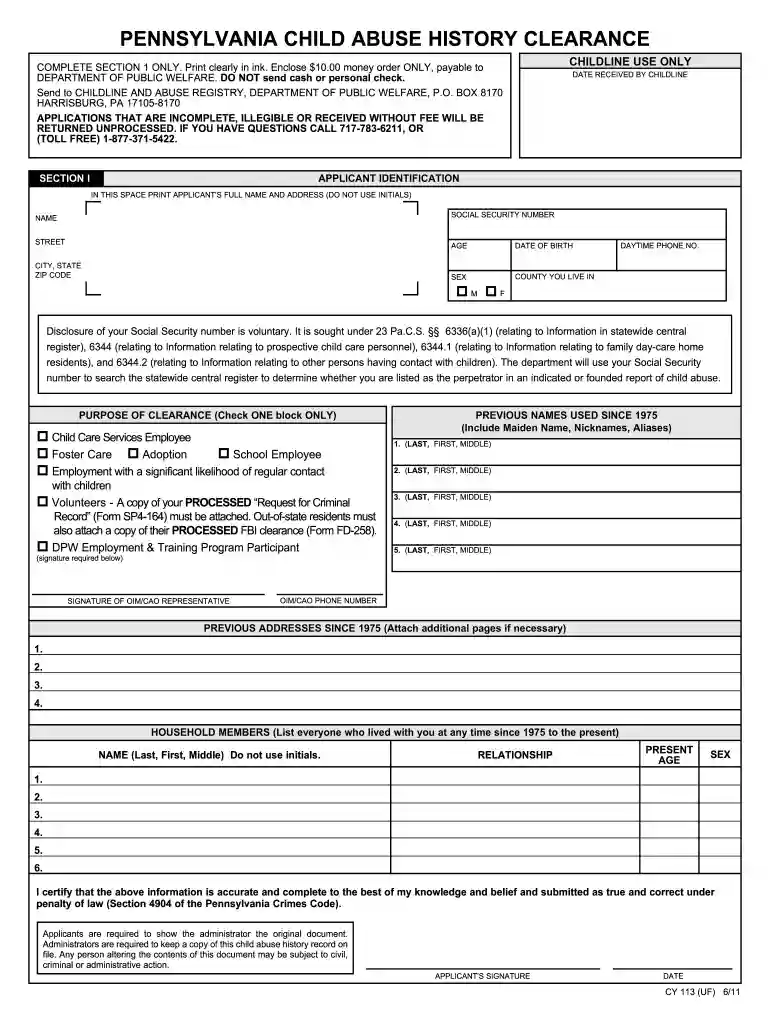
Type text, add images, blackout confidential details, add comments, highlights and more.
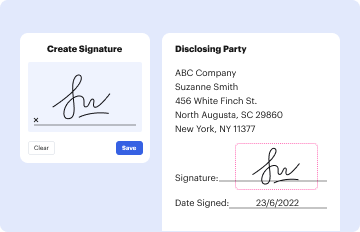
Draw your signature, type it, upload its image, or use your mobile device as a signature pad.
Send act 151 via email, link, or fax. You can also download it, export it or print it out.
The Pennsylvania Child Abuse Clearance is a vital document required for individuals who work or volunteer in environments where they may come into contact with children. This clearance serves as a background check to ensure the safety and well-being of children by verifying that applicants do not have a history of child abuse or related offenses. It is mandated under Pennsylvania's Act 151, which aims to provide protections for children in various settings, including schools, daycares, foster care, and other child-focused organizations.
The clearance is crucial not only for employment but also to meet legal obligations outlined in various child welfare laws. Organizations often use this clearance to screen potential employees and volunteers, ensuring they maintain a safe environment for children. The document reflects a commitment to child safety and resonates deeply with employers, parents, and community members.
Individuals required to obtain a PA Child Abuse Clearance include:
Acquiring a PA Child Abuse Clearance involves a clear, structured process. Here are the steps you will need to follow:
Following this sequence ensures that you have a valid clearance to present to prospective employers or organizations.
Understanding key terminology related to the PA Child Abuse Clearance aids in navigating the process effectively.
Familiarizing yourself with these terms will assist in comprehending the requirements and processes associated with child abuse clearance in Pennsylvania.
The application process for obtaining a PA Child Abuse Clearance involves several critical steps and timelines that applicants should be aware of:
Processing Speed: Most applicants will receive their clearance within 14 days; however, expedited options may be available for an additional fee.
Follow-Up Procedures: If not received within this period, applicants should follow up using their online account to check their application status.
Understanding the approval timeline helps applicants plan ahead, especially if the clearance is needed for job applications or volunteer positions.
The PA Child Abuse Clearance is commonly required by several groups and individuals, highlighting its broad application in protecting children's safety. Notable users include:
By recognizing who needs the clearance, applicants can better understand the importance of this document in various professional landscapes.


Key elements of the PA Child Abuse Clearance include:
These elements outline not only the content of the clearance but also the responsibilities of both applicants and employers in the child protection ecosystem.
Employers and organizations in Pennsylvania are legally obligated to utilize the PA Child Abuse Clearance to ensure child safety, as mandated by state law.
This legal framework underscores the importance of diligence in maintaining child safety and adhering to the standards established by the Commonwealth of Pennsylvania.
We've got more versions of the act 151 clearance form. Select the right act 151 clearance version from the list and start editing it straight away!
At DocHub, your data security is our priority. We follow HIPAA, SOC2, GDPR, and other standards, so you can work on your documents with confidence.



The Pennsylvania Child Abuse History Certification can be submitted and paid for online through the Child Welfare Information Solution (CWIS) self-serviceRead more
Our service provides a means for individuals to apply for PA Child Abuse History Clearance online and for mandated reporters to report child abuse inRead more
Applicants are required to show the Administrator the results of their. Child Abuse History Clearance. Administrators are required to keep a copy of this ChildRead more


