



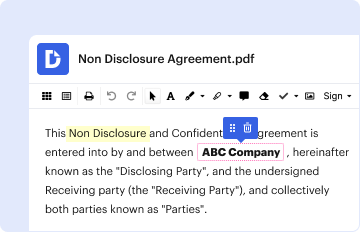
01. Edit your nyc lease renewal form pdf online
Type text, add images, blackout confidential details, add comments, highlights and more.

Type text, add images, blackout confidential details, add comments, highlights and more.
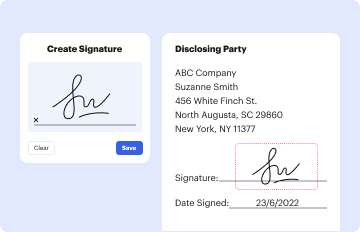
Draw your signature, type it, upload its image, or use your mobile device as a signature pad.
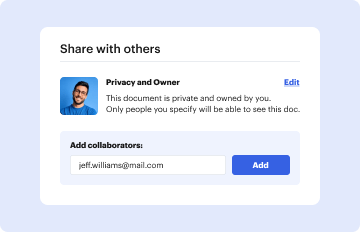
Send renewal lease form nyc via email, link, or fax. You can also download it, export it or print it out.
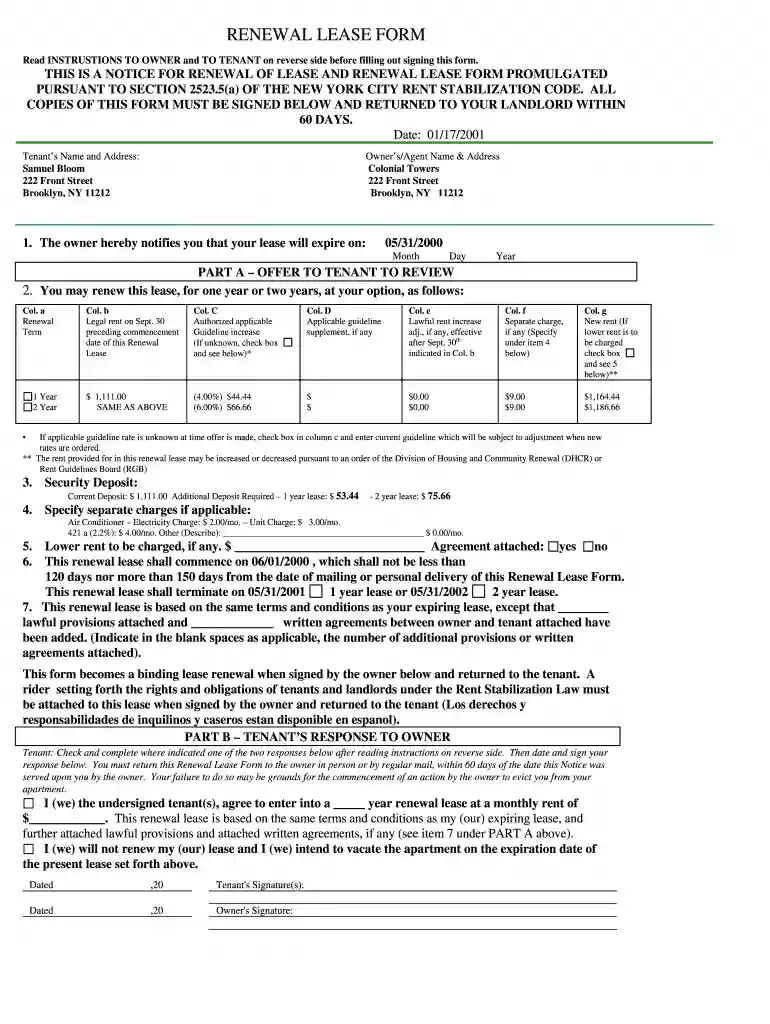
The Renewal Lease Form is a document that enables landlords and tenants to formalize the continuation of a lease agreement beyond its original expiration date. This form is crucial for both parties as it outlines the terms under which a tenant may renew their lease, ensuring clarity and legality in the rental agreement.
The form serves not only as a record of agreement but also as a protective measure for both landlords and tenants, ensuring that all parties are aware of their rights and responsibilities.
Completing a Renewal Lease Form requires careful attention to detail to ensure all information is accurate and comprehensive. Here’s a step-by-step guide on how to fill out the form effectively:
Each step is crucial and should be followed systematically to avoid any potential disputes or misunderstandings regarding lease renewal.
Being familiar with key terminology related to the Renewal Lease Form can enhance understanding and navigation of the document:
Understanding these terms can help parties navigate any complexities involved in lease renewals effectively.
The Renewal Lease Form contains several critical elements that outline the agreement between the landlord and tenant. These include:
Incorporating these elements ensures that both parties have a thorough understanding of their commitments under the renewed lease.
The Renewal Lease Form serves a legal purpose under U.S. housing laws, ensuring compliance with local and federal regulations. Here’s how it operates legally:
Using this form properly not only protects the rights of the parties involved but also upholds the integrity of the rental process.
Obtaining a Renewal Lease Form is a straightforward process. There are a few methods to consider:
Having access to a valid form helps in ensuring compliance with local regulations and captures the specific requirements needed for renewal.
The utilization of the Renewal Lease Form can vary depending on the context. Here are a few practical examples:
These examples illustrate the versatility of the Renewal Lease Form across different scenarios, highlighting its importance in various rental situations.
While the Renewal Lease Form is standardized, variations may exist based on specific conditions or situations:
Familiarizing oneself with these variants can help ensure compliance and appropriateness for the specific type of agreement involved.
We've got more versions of the nyc lease renewal form pdf form. Select the right nyc lease renewal form pdf version from the list and start editing it straight away!
Sign in to your DocHub account and add your lease renewal form nyc to our editor using one of its upload methods - from your device, cloud storage, protected URL, or your DocHub folders if you have already managed your document before. Open our editor, click the Sign key in the upper toolbar, and decide on your signing method. You can use a picture of your handwritten signature, draw it, type in your name, or utilize a QR code as an alternative.
Apart from a comprehensive toolset for editing PDFs on mobile devices, DocHub allows you to sign your nyc renewal lease form along the way. Open our editor in your web browser, make modifications using DocHub’s toolset, and complete your editing by eSigning the finished form.
At DocHub, your data security is our priority. We follow HIPAA, SOC2, GDPR, and other standards, so you can work on your documents with confidence.
This form becomes a binding lease renewal when signed by the owner below and returned to the tenant. A rider setting forth the rights and obligations of tenantsRead more
For good consideration, Landlord and Tenant each agree to extend the term of said Lease for a period of. commencing on (start date),.Read more
Renew the lease. Upgrade to the latest model. Return the equipment. Purchase the equipment. PROTECTION. Option: Secure. Includes: 1 Day on-siteRead more


