Definition and Purpose of RTT-TAX - State of Delaware
The RTT-TAX - State of Delaware refers to the Real Estate Transfer Tax applied on the sale of real estate properties within the state of Delaware. This tax is imposed when a real estate transaction is completed, and it is crucial for both buyers and sellers to understand its implications. The tax is typically calculated as a percentage of the property's sale price, and it plays a key role in the state's revenue system. In Delaware, the total real estate transfer tax rate is commonly split between the state and the local jurisdiction, each having its own predetermined percentage rate.
Key Elements of the Real Estate Transfer Tax
- Sale Price Percentage: Generally, the tax is calculated based on a fixed percentage of the property's total sale price.
- State and Local Allocation: Portions of the collected tax are allocated to both state and local government budgets.
- Revenue Source: It serves as a significant source of revenue for public services and infrastructure.
Who Typically Uses the RTT-TAX - State of Delaware
This tax is primarily utilized by real estate buyers, sellers, realtors, and legal professionals involved in property transactions within Delaware. Understanding this tax helps ensure compliance and proper financial planning during property sales.
- Homebuyers and Sellers: Both parties need to account for transfer tax costs at the time of sale.
- Real Estate Agents: Ensure clients understand transfer tax implications.
- Legal Practitioners: Provide guidance on legal requirements during sales.


Obtaining the RTT-TAX - State of Delaware
Obtaining the RTT-TAX involves understanding its applicability and ensuring it is correctly calculated during a property transaction. Accurate application of this tax is critical for seamless real estate transactions.
- Confirm Property Jurisdiction: Verify which parts of the property tax are owed to the state and which to the local jurisdiction.
- Calculate the Tax: Use the correct percentage rate applicable to the sale price of the property.
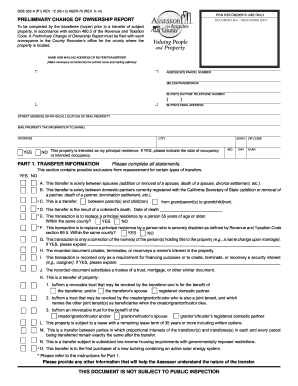
- File Proper Documentation: Ensure that all necessary forms, such as the Realty Transfer Tax Declaration form, are completed and submitted.
Steps to Complete the RTT-TAX - State of Delaware
Completing the RTT-TAX process is vital for all parties in a real estate transaction. Ensuring accuracy and adherence to state requirements mitigates potential legal or financial issues.
- Determine the Applicable Rates: Verify the current rates for both state and local transfer taxes.
- Prepare Documentation: Fill out the real estate transfer forms as required by law.
- Submit Forms and Payments: Submit the forms and payments to the appropriate state and local offices.
- Receive Confirmation: Ensure receipt of confirmation of tax payment and processing from respective authorities.
Importance of the RTT-TAX - State of Delaware
The RTT-TAX serves not only as a means of generating state revenue but also plays a significant part in legal compliance during property transactions. Ensuring understanding and correct payment of this tax is crucial for a smooth transfer of property ownership.
- Ensures Compliance: Aligns with legal requirements for property sales within the state.
- Financial Implication Awareness: Provides clarity on additional costs during the buying/selling process.
- State Revenue Contribution: Aids in funding various public sector initiatives and infrastructure development.
Important Terms Related to RTT-TAX - State of Delaware
A comprehensive understanding of relevant terminologies enhances clarity and ensures accurate process completion.
- Consideration: The sale price or other value given in exchange for real property.
- Transferor: The seller or grantor of the real estate.
- Transferee: The buyer or grantee of the real estate.
- Exemption Certificate: A form that may qualify certain transactions as exempt from the tax.
Filing Deadlines and Important Dates
Timely filing and payment of the RTT-TAX are essential to avoid potential penalties. Understanding deadlines ensures adherence and prevents any legal complications.
- Filing Deadline: Typically due at the time of the property’s settlement or closing date.
- Payment Schedule: Often coincides with the date of property sale closure.
- Penalty Dates: Failing to meet the filing deadline can result in late fees or penalties.
Penalties for Non-Compliance
Not adhering to the regulations surrounding the RTT-TAX in Delaware can lead to financial and legal repercussions.
- Late Filing Fees: Failure to file the tax on time may incur additional charges.
- Legal Consequences: Non-payment or incorrect payment could lead to legal action.
- Interest on Unpaid Taxes: Accrual of interest may apply to unpaid or overdue tax amounts.