Definition & Meaning
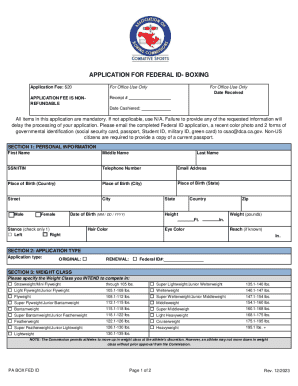
The Referee Assessment Form is designed to evaluate referees' performance during a sporting event. This type of form assesses the referee's competency, decision-making skills, and adherence to the rules of the game. Generally utilized in competitive sports settings in the United States, this form provides structured feedback that can be instrumental in improving officiating standards. The assessment criteria may include categories such as communication with players, application of rules, and positioning during the game. Each section helps quantify the referee's effectiveness, and with a scoring system in place, stakeholders can easily identify areas needing improvement.
Key Elements of the Referee Assessment Form
The Referee Assessment Form typically consists of several important sections:
- Referee Information: This includes personal details such as name and the date/time of the match.
- Match Details: Identifies the home and away teams, competition level, and venue.
- Assessment Scale: The form usually incorporates a scoring mechanism. For example, a competency threshold might be a score of six or higher out of ten.
- Assessment Categories: These could include accuracy of calls, control of the game, communication skills, and physical fitness.
- Comments Section: Allows the assessor to provide additional feedback.
Each component provides specific insights into a referee’s performance, creating a comprehensive profile for professional development.
Steps to Complete the Referee Assessment Form
Completing the Referee Assessment Form involves several clear steps:
- Fill Out Basic Information: Start by entering the referee's name, date, time of the match, and other pertinent details.
- Document Match Specifics: Include information about the teams and the competition level.
- Evaluate Performance: Use the assessment scale to score each category. Be objective and consider basing this on key incidents from the match.
- Provide Commentary: Include specific examples or instances that justify the scoring.
- Finalize and Sign: The assessor should sign the form to validate the observations.
This method ensures that the assessment is thorough and impartial, promoting fair and constructive feedback.
Why Use the Referee Assessment Form
Using a Referee Assessment Form is critical for several reasons:
- Standardization: Ensures that all referees are evaluated using the same criteria, contributing to consistency across the board.
- Improvement and Development: Helps referees understand their strengths and weaknesses.
- Feedback Mechanism: Provides a formal way for referees to receive feedback, which is crucial for personal and professional growth.
- Accountability: Creates a record of performance that can be referred to in future evaluations.
Ultimately, this form is an integral part of maintaining high officiating standards in sports.
Who Typically Uses the Referee Assessment Form
The Referee Assessment Form is primarily used by:
- Sports Organizations: National and regional bodies that oversee sporting events.
- Sports Officials Committees: Groups responsible for monitoring and improving referee performance.
- Game Assessors or Observers: Individuals tasked with evaluating the performance of referees during matches.
- Referee Trainers: Coaches or educators who work on developing officiating skills.
Each of these users utilizes the form to ensure that referees are performing at expected standards and to develop targeted training programs.


State-Specific Rules for the Referee Assessment Form
While the overall structure of the form might remain similar across different states, there could be variations based on local sports regulations:
- Different Scoring Systems: Some states might require a different scoring method or thresholds for competency.
- Rule Emphasis: Emphasis might shift depending on popular sports within a state which can dictate certain compliance and performance elements.
- Legal Requirements: States might have specific legal documents or disclaimers included as part of the assessment.
Understanding these differences is crucial for assessors operating across state lines.
Examples of Using the Referee Assessment Form
Consider the following practical examples of how the form may be used:
- Local High School Leagues: Assessors use forms after every game to help referees improve throughout the season.
- National Championships: Forms are standardized for consistency in high-stakes matches, ensuring only top referees are selected for future games.
- Referee Training Programs: Forms are used to gauge progress and offer data-backed feedback in training settings.
Each scenario shows how the form supports quality control and skill enhancement in various contexts.
Digital vs. Paper Version
Referee Assessment Forms can be completed in both digital and paper formats:
- Digital Version: Offers advantages such as easy storage, distribution, and access through platforms like DocHub, promoting efficient record-keeping and data analysis.
- Paper Version: Useful in environments with limited digital resources or where there's a need for immediate accessibility without electronic devices.
Both formats serve their purpose effectively, but the digital version aligns with modern data processing and storage practices.