Definition and Meaning
The "loan from the US bank form photo" refers to a pivotal document necessary for securing loans from banking institutions within the United States. This form often includes specific fields for personal and financial information that banks require to process loan applications accurately and efficiently. Typically, these forms are imbued with details such as the borrower's identity, income verification, and the nature of the requested loan. Through the form, banks can assess the borrower's creditworthiness and determine loan eligibility. This makes it a critical component for loan processing in the U.S. banking system.
How to Use the Loan Form
The use of the loan form involves a systematic approach to ensure that all required information is accurately presented.
-
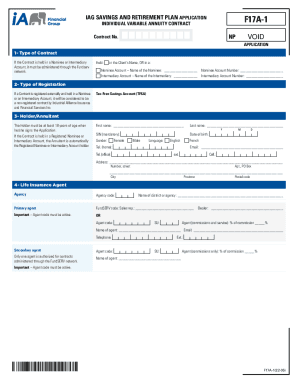
Understand the Form Structure: Familiarize yourself with the form layout, including sections for personal details, employment information, loan amount, and repayment terms.
-
Fill Out Personal Information: Provide complete and truthful information regarding your identification, contact details, and social security number.
-
Provide Employment and Income Details: Include current employment details, annual income, and any additional income sources.
-
Specify Loan Details: Enter the requested loan amount and intended use of the funds, whether for personal, auto, or home loans.
-
Review and Verify: Ensure all the information is correct and cross-check for any errors before submission.
-
Submit the Form: Follow the bank's instructions for submission, which might include uploading a scanned form if applying online.
How to Obtain the Loan Form
Acquiring a loan form from a U.S. bank can be done through various channels:
- Visit the Bank's Website: Many banks offer downloadable forms on their official websites for easy access.
- In-Person at a Branch: You can visit a local branch where a representative can provide you with a physical copy of the form.
- Request via Mail or Email: Some banks offer the option to send forms through mail or email upon request.
- Contact Customer Service: A call to the bank's customer service can often yield information about acquiring the form.
Steps to Complete the Loan Form
Taking a methodical approach to completing the loan form ensures precision and completeness:
- Gather Required Information: Collect all necessary documentation such as ID proof, income statements, and employment verification.
- Begin with Personal Details: Fill in your name, address, and social security number at the start of the form.
- Include Financial Details: Add your income sources, debt obligations, and any financial liabilities.
- Loan Specifications: Clearly define the amount you wish to borrow and the intended use of the loan.
- Attach Supporting Documents: Attach copies of the necessary documents to support your application.
- Sign and Date: Complete the form by signing and dating it to certify the accuracy of the information provided.
Who Typically Uses the Loan Form
This loan form is commonly utilized by:
- Individuals seeking personal loans: Those in need of funds for personal expenses, such as renovations or vacations.
- Business owners: Entrepreneurs who require financing for business expansion or operational costs.
- Students: For education-related loans to cover tuition and associated costs.
- Homebuyers: Individuals applying for mortgages to purchase residential properties.


Key Elements of the Loan Form
Understanding key elements ensures accurate form completion:
- Applicant Details: Information related to the borrower's identity and contact details.
- Loan Amount and Purpose: The specific amount requested and the application of funds.
- Financial History: Details of credit score, existing debts, and repayment capacity.
- Collateral Information: For secured loans, the description of assets proposed as collateral, if applicable.
- Terms and Conditions: The legal terms outlining the borrower’s obligations and rights.
State-Specific Rules
Loan applications can be subject to variations based on state regulations:
- Interest Rates: Maximum allowable rates may differ by state due to regulatory caps.
- Collateral Requirements: Some states have specific regulations on what can be used as collateral.
- Consumer Protection Laws: Differences in laws protecting borrowers from predatory lending practices.
- State Revenue Departments: Specific procedural requirements for form submission and tax reporting related to loans.
Comparison of Digital vs. Paper Version
The form may be available in both paper and digital formats, with the following distinctions:
- Ease of Use: Digital forms offer convenience with online submission, whereas paper forms require physical submission.
- Accessibility: Digital forms can be accessed from anywhere with internet connectivity, while paper forms need an in-person visit to a branch.
- Amendments: Corrections in a digital form are more manageable than on paper.
- Record-Keeping: Electronic storage of digital forms facilitates easier retrieval compared to managing physical documents.
This structured breakdown provides a comprehensive overview of the "loan from the US bank form photo," ensuring readers understand its purpose, use, and the procedures involved in its application.