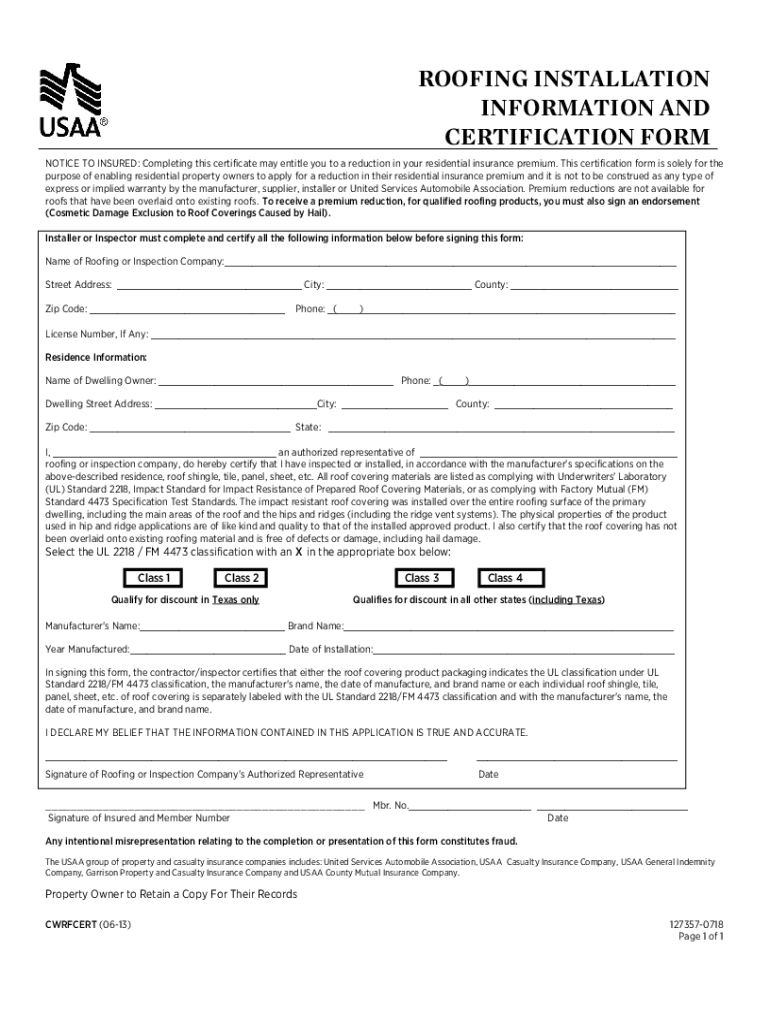







Definition and Meaning of an Impact Resistant Roof Discount
An impact resistant roof discount provides homeowners with a reduction on their policy premiums. This discount is typically offered by insurance companies to acknowledge the lower risk of damage associated with certain types of roofs. Homes equipped with roofs made from durable materials like modified asphalt shingles, rubber, or metal are typically eligible for these discounts. However, it is essential for the homeowner's policy to include specific coverages like wind and hail to qualify for this benefit.
Obtaining the Impact Resistant Roof Discount Form
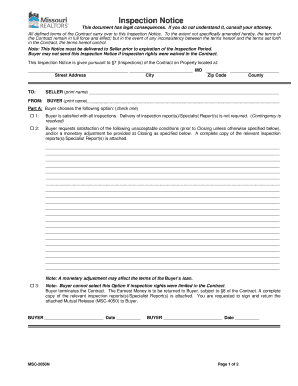
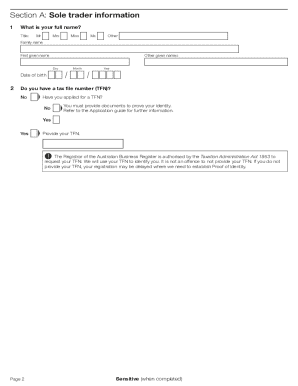
To obtain the discount form, homeowners should first contact their insurance provider to confirm eligibility criteria. They can usually receive the form directly from the insurance company’s website or via their customer service. Some insurers might offer online or mail-in options to receive the form, ensuring convenience for their customers.
Steps to Complete the Impact Resistant Roof Discount Form
- Review Eligibility Requirements: Ensure your roof meets the insurance company's standards for impact resistance.
- Gather Necessary Documents: Collect any documentation needed, such as roofing material receipts or inspection reports.
- Fill Out Personal Information: Include details such as the homeowner’s name, address, and policy number.
- Describe Roofing Materials: Provide specifics about the roofing materials used, including manufacturers and model numbers.
- Submit Supporting Evidence: Attach relevant documents to verify the roof’s impact resistance, as required by the form.
- Submit the Form: Deliver the form through the designated submission process, whether online, by mail, or in person.
Who Typically Uses the Impact Resistant Roof Discount Form
This form is predominantly used by homeowners who are seeking to reduce their insurance premiums through the use of an impact resistant roof. It is most commonly relevant for individuals living in areas prone to severe weather conditions such as hailstorms or high winds, regions where the benefits of such a roof are most pronounced.


Key Elements of the Impact Resistant Roof Discount Form
- Policyholder Information: Basic details about the homeowner and their insurance policy.
- Roof Details: Specifics about the roof including material type and installation date.
- Certification Section: Evidence of compliance with impact resistance criteria from the roofing material manufacturer or a certified inspector.
- Additional Coverage Details: Indicate the types of coverage included in the insurance policy, particularly wind and hail.
State-Specific Rules for Impact Resistant Roof Discounts
Regulations and incentives for impact resistant roof discounts can vary by state. For example, some states might have unique certification requirements or offer additional incentives for using certain materials. Homeowners should consult their state’s insurance department or their insurer for the most accurate information specific to their location.
Examples of Utilizing the Impact Resistant Roof Discount Form
- Case Study in Texas: A homeowner in Texas successfully applied for the impact resistant roof discount by replacing their old shingles with class 4 hail-resistant shingles, reducing their premium by 15%.
- Scenario in Colorado: A Colorado resident updated their insurance policy after installing a metal roof, using the discount form to apply for a premium reduction given the frequent hailstorms in the area.
Eligibility Criteria for Impact Resistant Roof Discounts
Eligibility typically requires the following:
- Installation of certified impact resistant roofing materials.
- Proof of installation date and material certification.
- Active insurance policy with wind and hail coverage.
Specific criteria may vary by insurer, so it is essential to verify the exact requirements with your insurance company.

Submission Methods for the Impact Resistant Roof Discount Form
The form can usually be submitted through various channels depending on the insurer’s preferences:
- Online Submission: Through the insurance company’s official website or document management service platforms.
- Mailing: Traditional postal service to the insurer’s mailing address.
- In-Person: Direct hand-over at a branch or office of the insurance provider, allowing for immediate confirmation of receipt.
Differences Between Digital and Paper Versions
Most insurers provide both digital and paper versions of the form. While the digital version offers a quicker, more streamlined process through electronic submission, some users may prefer paper forms for archiving or personal record-keeping. Each version serves the same function, and the choice between them generally depends on the user's preference and access to technology.