Cyber Security 2013 - Protecting Your Institution and Customer Assets-2026

Get Form
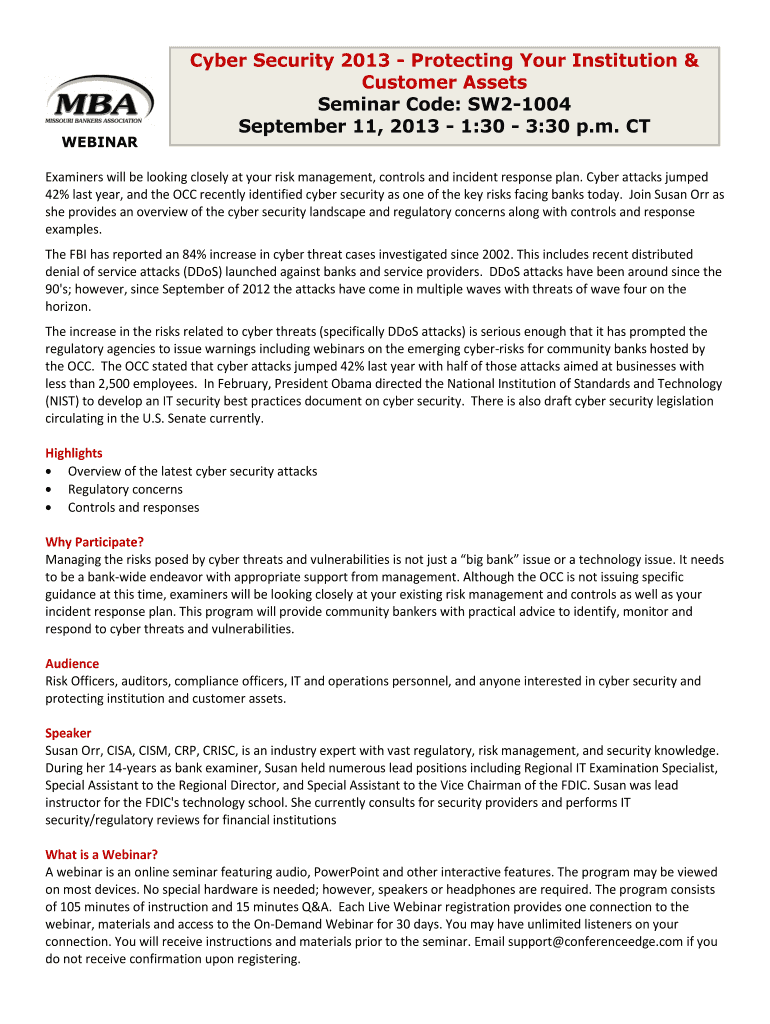
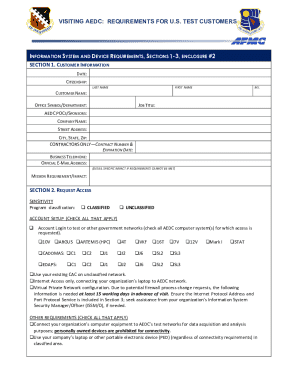
Cyber Security 2013 - Protecting Your Institution and Customer Assets Preview on Page 1

Here's how it works

01. Edit your form online
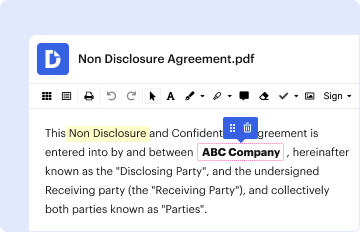
Type text, add images, blackout confidential details, add comments, highlights and more.
02. Sign it in a few clicks
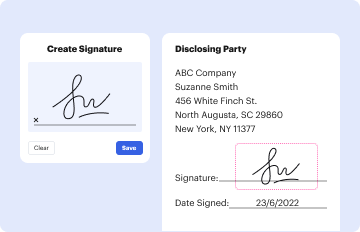
Draw your signature, type it, upload its image, or use your mobile device as a signature pad.
03. Share your form with others
Send it via email, link, or fax. You can also download it, export it or print it out.

How to modify Cyber Security 2013 - Protecting Your Institution and Customer Assets online

Form edit decoration
9.5
Ease of Setup
DocHub User Ratings on G2
9.0
Ease of Use
DocHub User Ratings on G2

With DocHub, making adjustments to your documentation requires only a few simple clicks. Make these quick steps to modify the PDF Cyber Security 2013 - Protecting Your Institution and Customer Assets online for free:

  1. Sign up and log in to your account. Log in to the editor with your credentials or click Create free account to test the tool’s functionality.
  2. Add the Cyber Security 2013 - Protecting Your Institution and Customer Assets for redacting. Click the New Document button above, then drag and drop the document to the upload area, import it from the cloud, or using a link.
  3. Alter your file. Make any adjustments needed: insert text and pictures to your Cyber Security 2013 - Protecting Your Institution and Customer Assets, underline important details, erase parts of content and substitute them with new ones, and add symbols, checkmarks, and areas for filling out.
  4. Complete redacting the form. Save the modified document on your device, export it to the cloud, print it right from the editor, or share it with all the people involved.

Our editor is very intuitive and efficient. Try it out now!

be ready to get more

Complete this form in 5 minutes or less

Get form

Got questions?

We have answers to the most popular questions from our customers. If you can't find an answer to your question, please contact us.
Contact us
The National Cyber Security Policy 2013 envisions a secure and resilient cyberspace for individuals, businesses, and the government, aiming to protect critical infrastructure, reduce cyber risks, and build global trust in Indias IT capabilities.
The Cybersecurity Act strengthens the EU Agency for cybersecurity (ENISA) and establishes a cybersecurity certification framework for products and services.
The Cyber Security Act includes measures to: mandate minimum cyber security standards for smart devices. introduce a mandatory ransomware and cyber extortion reporting obligation for certain businesses to report ransom payments.
The Cybersecurity Information Sharing Act of 2015 (CISA) is a United States federal law designed to improve cybersecurity in the United States through enhanced sharing of information about cybersecurity threats, and for other purposes.
National Cyber Security Policy, 2013, which aims to protect information, such as personal information, financial/banking information, sovereign data, etc. from cyber threats. Reserve Bank of India (RBI) Master Direction on Information Technology Governance, Risk, Controls and Assurance Practices.
be ready to get more

Complete this form in 5 minutes or less

Get form

People also ask

Executive Order 13636, Improving Critical Infrastructure Cybersecurity, and Presidential Policy Directive 21 (PPD-21), Critical Infrastructure Security and Resilience, issued on February 12, 2013, require federal agencies to develop and incentivize participation in a technology-neutral cybersecurity framework, and to
Create security policies and practices Make sure to outline how situations will be handled and the consequences if an employee violates the policies. Control physical access to company devices and dispose of them properly. Prevent access to company computers and handheld devices from unauthorized users.
Cybersecurity Public Awareness Act of 2013 - Directs the Secretary of Homeland Security (DHS) to submit an annual report that: (1) summarizes major cyber incidents involving networks of executive agencies, except for the Department of Defense (DOD); (2) provides aggregate statistics on the number of bdocHubes of

Related links