





Definition & Meaning
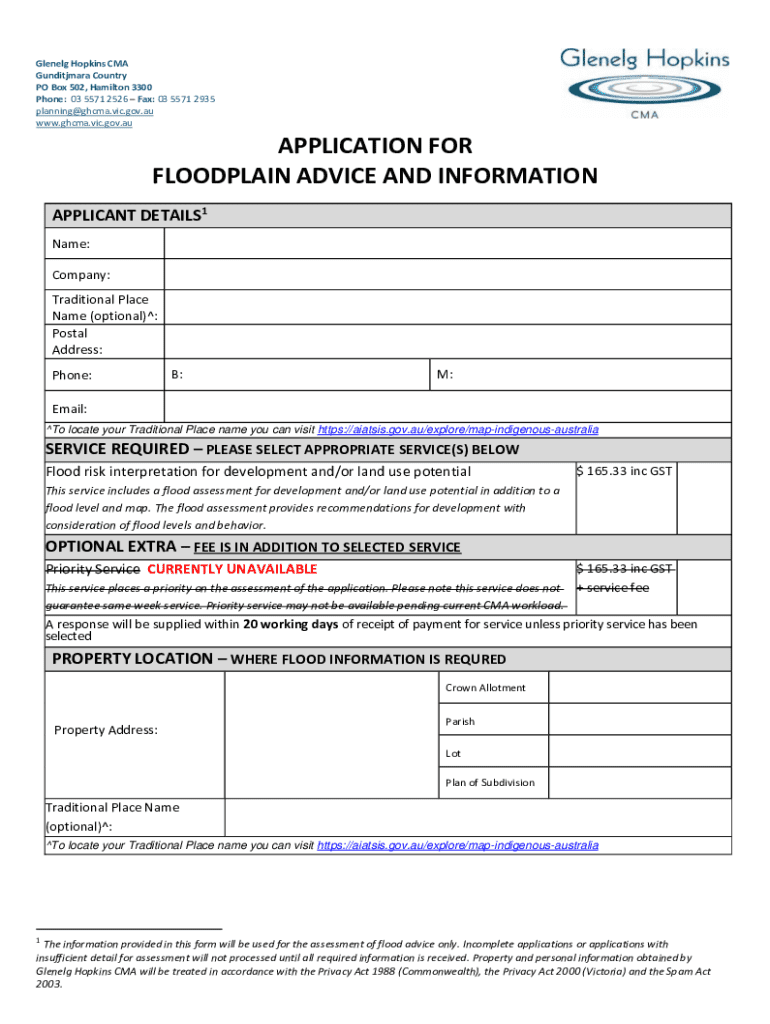
An online form is a digital version of a paper form that anyone can fill out and submit using an internet-enabled device. It typically consists of fields where users can input information, including text boxes, checkboxes, and dropdown menus. Online forms provide a convenient way to gather and process data, eliminating the need for physical paperwork and allowing for faster and more secure data collection. Many businesses and organizations utilize online forms for surveys, applications, registrations, and feedback.
Online forms are designed to streamline the data collection process by minimizing manual entry errors and enabling quick submission. These forms can be integrated into websites or hosted on dedicated platforms, ensuring accessibility from any location with internet access. The primary objective of using online forms is to enhance efficiency and maintain organized records.
Steps to Complete the Form Online
Completing an online form involves several straightforward steps, each varying slightly depending on the platform:
-
Access the Form: Navigate to the website hosting the online form. Ensure you have a stable internet connection to avoid any disruptions.
-
Read Instructions Carefully: Before filling out the form, review all instructions. This step ensures you understand the information required and any specific guidelines.
-
Fill in the Required Details: Input information into the designated fields. Ensure that data entry is accurate to prevent errors during processing.
-
Review and Verify: Double-check all entries for correctness. Verify that mandatory fields are completed and optional sections are filled if necessary.
-
Submit the Form: Click the submission button to send your completed form to the respective organization or entity. Some platforms may provide a confirmation message or email after successful submission.
-
Save a Copy: If possible, download or print a copy of the completed form as a reference or proof of submission.
Why Should You Form Online
Using online forms offers numerous advantages over traditional paper forms:
- Convenience: Forms can be completed from anywhere with internet access, eliminating the need to travel or mail physical documents.
- Efficiency: Automates data entry processes, reducing the time required for manual data collection and analysis.
- Accuracy: Minimizes errors through predefined field formats such as dropdowns and checkboxes, ensuring consistency in responses.
- Security: Provides encryption and secure channels for sensitive data transmission, safeguarding personal and financial information.
- Quick Processing: Enables faster processing times, allowing organizations to respond promptly to applications, surveys, or feedback.
Who Typically Uses the Form Online
Online forms are widely used by various groups and entities, including:
- Businesses: For customer applications, order forms, surveys, and feedback.
- Educational Institutions: To handle student registrations, course evaluations, and faculty surveys.
- Government Agencies: To facilitate services like tax filing, permit applications, and census data collection.
- Non-Profit Organizations: For event registrations, volunteer sign-ups, and donation management.
- Healthcare Providers: To collect patient information, schedule appointments, and gather feedback on services.


Legal Use of the Form Online
Online forms are widely accepted in legal contexts for several purposes:
- Applications and Agreements: Used for applications or agreements that require legal consent and signatures, facilitating a bound contractual relationship.
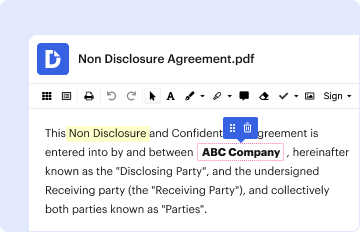
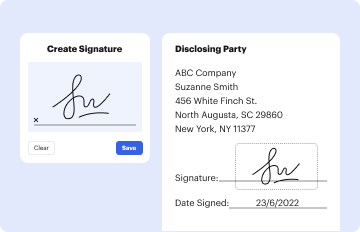
- Electronic Signatures: Employ legally binding electronic signatures compliant with acts such as ESIGN for authenticating identities.
- Regulatory Compliance: Ensure adherence to data protection laws like HIPAA in healthcare or GDPR for organizations dealing with residents of the European Union.
These forms allow organizations to efficiently gather legally significant declarations and consents while ensuring that the data is stored securely.
Key Elements of the Form Online
Every online form includes crucial components that facilitate efficient data collection:
- Title and Description: Provides a clear understanding of the form's purpose.
- Field Labels: Descriptive text that indicates the information required in each field.
- Input Fields: Areas where users enter information, including text inputs, dropdown lists, and radio buttons.
- Action Buttons: Includes buttons for submitting, saving, or resetting the form's content.
- Acknowledgment or Receipt: Confirmation that the data has been successfully submitted, often accompanied by a reference number or email acknowledgment.
Required Documents
Certain online forms, based on their purpose, might require users to attach documents for validation or as part of the submission process. Common types of supporting documents may include:
- Identification Proof: Such as a driver’s license, passport, or social security card.
- Financial Records: Bank statements, tax documents, or pay stubs.
- Legal Documents: Power of attorney, birth certificates, or court orders.
- Educational Credentials: Transcripts, diplomas, or certification documents.
Users should prepare these documents in advance to facilitate a smooth and expedient submission process.
Form Submission Methods (Online / Mail / In-Person)
Submitting completed forms can usually be done via multiple methods:
- Online Submission: Through the form-hosting platform, often preferred for its speed and convenience.
- Email Submission: In cases where forms are filled offline and emailed to a specified address.
- Mail Submission: Requires printing the form and mailing it to the specified address, used less frequently due to longer processing times.
- In-Person Submission: Directly at a physical location, ideal for forms requiring original signatures or document verification.
Each submission method is chosen based on convenience, requirement of original documents, or personal preference, providing flexibility to users.