






Definition and Meaning
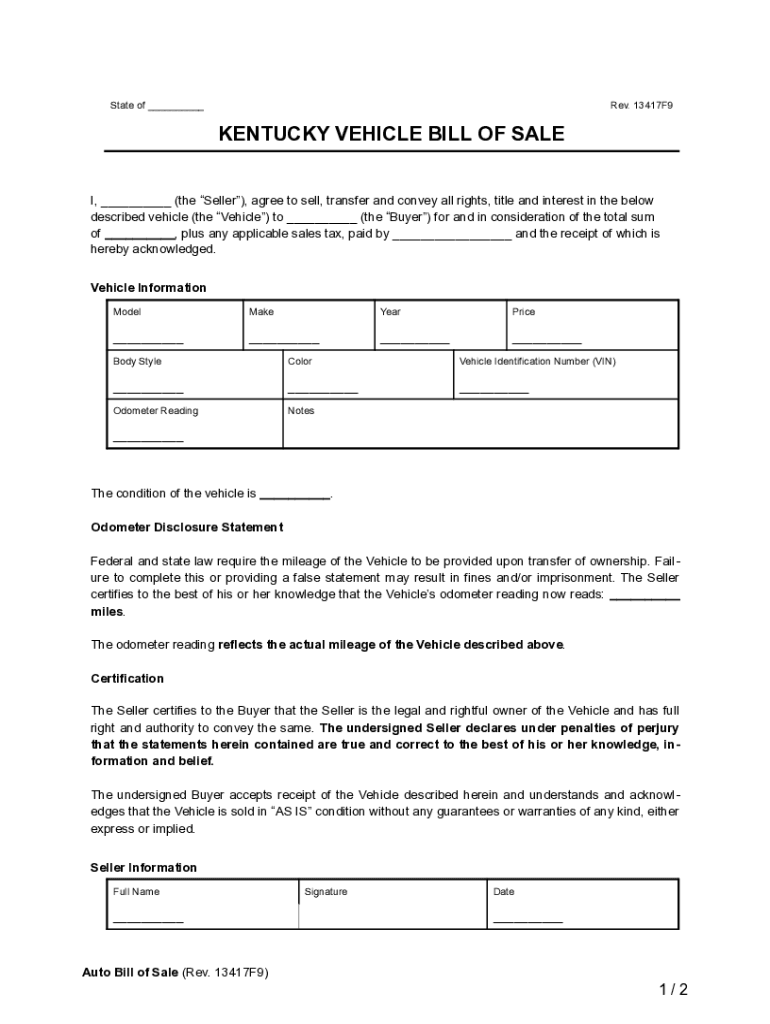
The Bill of Sale Form for Kentucky serves as a vital document in the transaction of motor vehicles and general sales. It functions as a written agreement between a seller and a buyer, formalizing the transfer of ownership rights. This form outlines specific transaction details, including the identities of the parties involved, the description of the item or vehicle sold, the sale price, and the terms of the sale. The form essentially acts as a receipt and proof of purchase and sale, protecting both parties by documenting the transaction formally and legally.
Key Elements of the Bill of Sale Form
The Kentucky Bill of Sale form consists of several crucial elements to ensure accurate documentation and legal compliance:
- Seller and Buyer Information: Full names, addresses, and contact details of both the seller and the buyer.
- Description of the Vehicle or Item: Detailed information about the vehicle, including make, model, year, VIN (Vehicle Identification Number), and color. For general sales, provide a comprehensive description of the item.
- Sale Price: Clearly stated sale price of the vehicle or item, confirming the agreed amount during negotiation.
- Date of Sale: The effective date when the ownership transfer takes place.
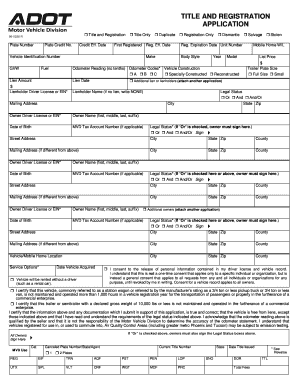
- Odometer Reading: In the case of motor vehicle sales, the odometer reading at the time of sale must be recorded, along with any necessary disclosures.
- 'As Is' Clause: An optional clause stipulating the item or vehicle is sold "as is" without any warranties.
Steps to Complete the Bill of Sale Form
-
Gather Necessary Information: Both parties should prepare by collecting personal information, and details about the vehicle or item being sold.
-
Fill in the Form: Enter all required data, ensuring accuracy, particularly for vehicle information such as VIN, odometer reading, and seller details.
-
Signatures: The seller and buyer must sign the document, confirming their agreement to the terms stated.
-
Witness or Notarization: While not mandatory in Kentucky, having a witness or notarization may add an extra level of validity to the transaction.
-
Distribution: Both parties should retain a copy of the completed form and any associated documents, such as a title transfer.
State-Specific Rules for the Bill of Sale Form
Kentucky has specific regulations governing the use of this form:
- Required for Titles: A bill of sale is often necessary if the vehicle title is unavailable or requires a transfer.
- Odometer Disclosure: Kentucky law mandates the inclusion of an odometer disclosure for vehicles under a certain age.
- Not Mandatory for General Sales: While highly recommended, the bill of sale is not legally required for all categories except vehicles.
Why Use a Bill of Sale Form
Utilizing a bill of sale form offers several benefits:
- Legal Protection: It provides documented evidence should a dispute arise over the ownership or condition of the sold item.
- Clear Documentation: Ensures all terms and particulars of the transaction are explicitly outlined and agreed upon by both parties.
- Prevention of Fraud: The form helps deter fraudulent activities by making the transaction process transparent and traceable.
Legal Use of the Bill of Sale Form
The Kentucky Bill of Sale form is legally recognized for several purposes:
- Ownership Transfer: Documents the transfer of ownership and can be used in legal proceedings if the ownership is contested.
- Title Registration: When registering a vehicle title, this form may be required to prove the change of ownership.
- Tax Purposes: Acts as substantiation for the sale amount when calculating sales tax and other related fees.
Important Terms Related to the Bill of Sale Form
Understanding key terms enhances form usage:
- "As Is" Clause: Indicates the buyer accepts the item in its current state without any promises of condition or future repairs.
- VIN (Vehicle Identification Number): A unique code including a serial number used by the automotive industry to identify individual motor vehicles.
- Odometer Disclosure: A statement of the vehicle's odometer mileage, crucial for determining its market value.
Examples of Using the Bill of Sale Form
- Private Car Sale: A Kentucky resident sells a used vehicle to another party. The form documents the transaction, specifying the vehicle details and sale price.
- Yard Sale Transaction: An individual sells a valuable antique at a yard sale. A bill of sale provides a receipt and legal proof of the sale.
- Interstate Sale: Selling a vehicle to a buyer in another state necessitates a written record to handle title and registration issues efficiently.
Quick Facts
- Mandatory for Vehicles: Required when no title is present in vehicle transactions.
- Optional Notarization: While not required, notarization adds a layer of fraud protection.
- Multi-use: Applicable to both motor vehicle sales and broad general sales.
- Legally Useful: Offers legal safeguards and documented proof for both buyers and sellers in Kentucky.