






Definition & Meaning
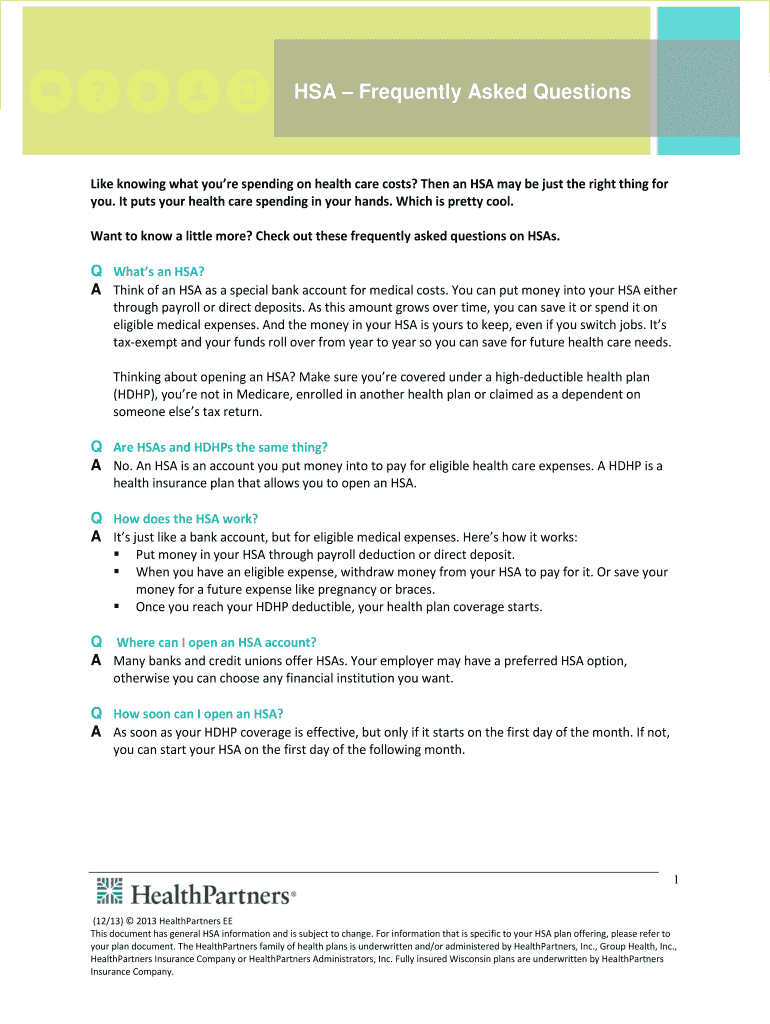
"Like knowing what you're spending on health care costs" refers to the process or awareness of tracking and managing the expenses associated with healthcare. This can include understanding your medical bills, insurance premiums, out-of-pocket costs, and any other related expenses. Having a clear grasp of these costs can help individuals budget effectively, make informed decisions regarding healthcare plans, and identify areas for potential savings. This process is crucial for maintaining financial stability and ensuring that unexpected medical expenses do not derail personal or family budgets.
How to Use "Like Knowing What You're Spending On Health Care Costs"
To effectively use this approach, begin by collecting all relevant documents, such as medical bills, insurance statements, and pharmacy receipts. Organize these documents by category, such as doctor visits, hospital stays, medications, and laboratory tests. Utilizing spreadsheets or budgeting software can further streamline the process, allowing for easy tracking and updates. Regularly review your healthcare spending to identify trends or unexpected costs, which can provide insights into areas where you may need to adjust your budget or explore more cost-effective healthcare options.
Steps to Complete "Like Knowing What You're Spending On Health Care Costs"
- Gather Documentation: Access all necessary documents, including your medical bills, insurance explanations of benefits (EOBs), and any receipts related to healthcare spending.
- Categorize Expenses: Divide your healthcare costs into categories such as premiums, out-of-pocket expenses, and preventative care. This helps in pinpointing where the majority of your money is going.
- Use Budgeting Tools: Employ digital tools like spreadsheets or financial apps designed to track healthcare spending.
- Analyze and Adjust: Regularly review your expenses to determine if there are areas where you can cut costs or if you need to allocate more funds for unforeseen healthcare needs.
- Plan Ahead: Based on your analysis, adjust your budget accordingly for future healthcare costs, taking into account possible changes like annual premium increases or upcoming medical procedures.
Key Elements of "Like Knowing What You're Spending On Health Care Costs"
- Documentation: Having complete and organized records is crucial for accurate tracking.
- Understanding Insurance Terms: Knowing terms like deductible, copay, and coinsurance is essential for understanding what portion of costs you are responsible for.
- Expense Categorization: Breaking down costs into specific categories helps in identifying which areas of healthcare are consuming the most resources.
- Regular Monitoring: Keeping a consistent schedule for reviewing your expenses ensures that you are aware of any changes or trends over time.
- Budget Adjustments: Based on your spending patterns, you may need to adjust your budget to accommodate rising costs or unexpected medical expenses.
Examples of Using "Like Knowing What You're Spending On Health Care Costs"
Consider a family tracking their annual healthcare expenses. By categorizing their spending into premiums, doctor visits, and prescriptions, they can see that their medication costs have been rising significantly. This insight might prompt them to discuss generic alternatives with their healthcare provider, potentially saving hundreds of dollars per year. Another example could be an individual who notices frequent out-of-pocket expenses for specialist visits. Realizing this trend could lead them to choose a different insurance plan during open enrollment that offers better coverage for specialists, ultimately reducing their out-of-pocket expenses.
Important Terms Related to "Like Knowing What You're Spending On Health Care Costs"
- Deductible: The amount you pay for covered healthcare services before your insurance plan starts to pay.
- Copayment (Copay): A fixed amount you pay for a covered healthcare service, usually when you receive the service.
- Coinsurance: The percentage of costs you pay after you've met your deductible.
- Out-of-pocket Maximum: The most you have to pay for covered services in a policy period, typically a year, after which the insurance pays 100% of covered services.
- Premium: The amount you pay for your health insurance every month.
Software Compatibility
When organizing healthcare expenses, consider using common budgeting and financial software like Microsoft Excel or apps like Mint and QuickBooks. These platforms enable detailed tracking and categorization of expenses and can provide notifications and reminders for payment due dates. For deeper insights, some healthcare-specific tools can connect directly with insurance providers, automatically importing EOBs and expenses, which can further streamline the process of staying on top of healthcare costs.
Eligibility Criteria
Understanding who typically engages in monitoring healthcare spending is crucial. While everyone with healthcare expenses should know what they are spending, those most likely to benefit include individuals with chronic health conditions, families with children, elderly individuals with frequent medical needs, and anyone closely managing a tight budget. Additionally, small business owners who provide health insurance to their employees can find this process beneficial for understanding and potentially minimizing their operational costs.


Why Should You "Like Knowing What You're Spending On Health Care Costs"?
Tracking healthcare costs is vital for financial health. It allows individuals to anticipate and prepare for medical expenses more accurately, potentially reducing financial stress. This knowledge empowers individuals to optimize their health plans, choosing those that best fit their financial situations and healthcare needs. Moreover, by understanding where their money goes, individuals can make educated decisions, negotiating lower prices or opting for generic medications when possible. Ultimately, it's about maintaining control over one's financial and physical wellbeing.