
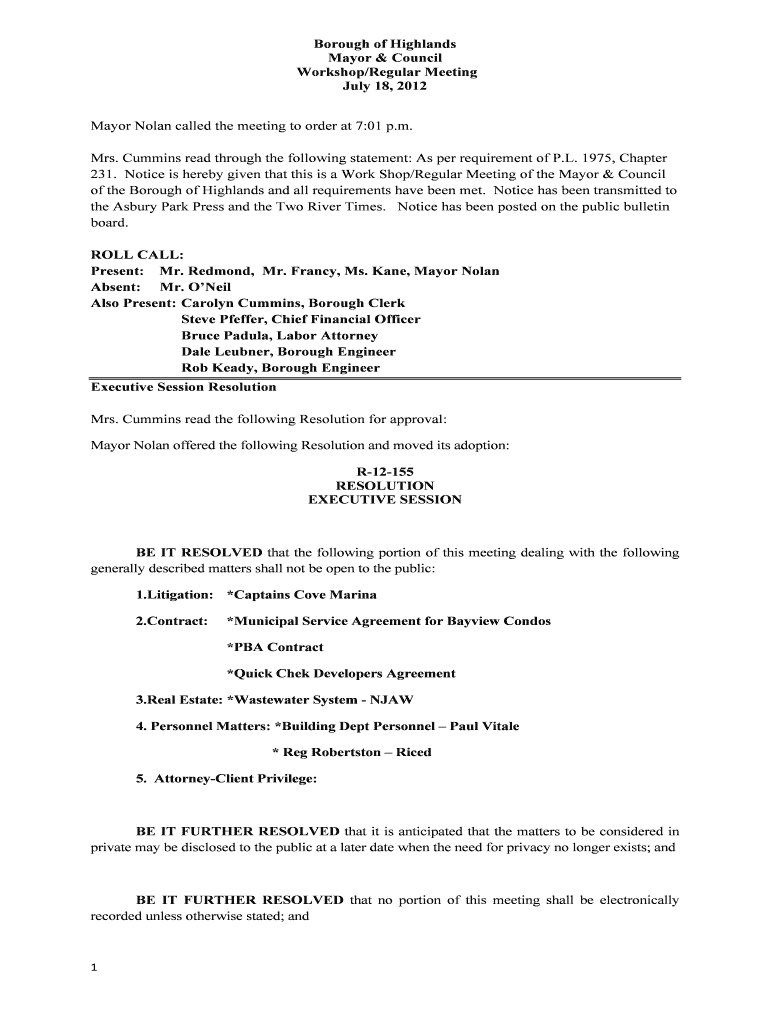







Definition and Meaning of "Notice has been transmitted to"
The phrase "Notice has been transmitted to" typically signifies the formal process of delivering an official document or notification to the relevant parties. This could involve legal notices, contractual obligations, or formal communications in business contexts. Understanding this term is crucial in legal, corporate, and governmental frameworks where documentation plays a vital role in maintaining compliance and ensuring that all stakeholders are informed of pertinent actions or developments. Proper transmission of notices is essential to uphold procedural integrity and to keep records that can prove receipt and comprehension by the intended recipient.
How to Use "Notice has been transmitted to"
Utilizing the form associated with "Notice has been transmitted to" involves a structured approach to ensure the delivery and acknowledgment of notices. This typically includes preparing the document, identifying the recipient, and determining the most appropriate transmission method. In many cases, there are software tools that facilitate the electronic delivery of notices, increasing efficiency and reducing administrative burdens. For legal or formal use, it's vital to document the transmission process, which may require a time-stamped record of when and how the notice was delivered. This record serves as proof in disputes or compliance checks.
How to Obtain the "Notice has been transmitted to" Form
Obtaining the relevant form for "Notice has been transmitted to" varies depending on the context and entity involved. For legal purposes, the form might be available through governmental or judicial websites, or it might be provided by legal software services that offer document templates. In a business setting, companies often have internal processes and forms available through their administrative departments or digital platforms to standardize the notice transmission process. Accessing the form might require authentication or specific permissions, depending on organizational policies.
Steps to Complete the "Notice has been transmitted to" Form
- Identify Recipient: Clearly note the name and address of the recipient to ensure that the notice reaches the correct party.
- Prepare Document: Include all necessary details related to the notice's purpose, such as deadlines, instructions, or actions required by the recipient.
- Choose Transmission Method: Decide whether to send the notice via email, postal service, or through a secure document management system.
- Record Transmission Details: Log the date, time, and method of transmission for record-keeping and verification purposes.
- Follow-Up: Confirm receipt with the recipient when necessary and record their acknowledgment to ensure compliance.
Why Should You Use "Notice has been transmitted to"
The use of "Notice has been transmitted to" is fundamental in ensuring compliance with legal and business protocols. It serves as an official confirmation that significant information has been communicated to relevant parties, minimizing potential disputes and misunderstandings. This formal acknowledgment is crucial in legal contexts where the timing and delivery of information can impact rights and responsibilities. Moreover, it provides a clear paper trail for auditing and accountability, safeguarding both the sender and recipient by ensuring that information exchange is documented and verified.
Who Typically Uses "Notice has been transmitted to"
This form is commonly used by legal professionals, corporate entities, and governmental agencies that require documented proof of communication for compliance and legal purposes. It is particularly relevant in scenarios where specific actions or responses are contingent upon receipt of the notice. Lawyers, contract managers, and regulatory officials are frequent users, as their roles often involve managing substantial documentation and ensuring that all necessary communications are completed and recorded accurately.
Legal Use of the "Notice has been transmitted to"
Legally, the phrase underscores an obligation to inform specific parties of certain actions or statuses that may affect rights, duties, or privileges. For example, in legal proceedings, transmitting a notice could relate to serving court documents to a defendant. Compliance with legal standards when transmitting such notices is paramount, as improper service or failure to notify can invalidate proceedings or agreements. Legal professionals must adhere to strict protocols regarding notice transmission to maintain the enforceability of subsequent actions or decisions.
Key Elements of the "Notice has been transmitted to"
When preparing this form, several key elements must be included to ensure its validity and effectiveness:
- Detailed Recipient Information: Including full name, address, and contact details.
- Clear Description of the Notice's Purpose: Explaining what the notice entails and any actions required.
- Provision of Deadlines or Important Dates: Highlighting any timeline-related information critical for compliance.
- Signature of the Sender: Optionally, providing signatures to authenticate the document.
- Proof of Transmission: Documenting the method and timing of delivery to verify receipt.
State-Specific Rules for "Notice has been transmitted to"
While the general principles of transmitting notices are consistent across the United States, certain states may have specific regulations or requirements dictating how and when notices must be delivered. It is imperative to consult state laws to ensure compliance, especially in legal contexts where non-compliance could result in penalties or invalidation of actions. Variations could include permitted delivery methods, required language, or specific forms that must be used. Understanding these nuances is crucial for legal practitioners or businesses operating across multiple states.




