
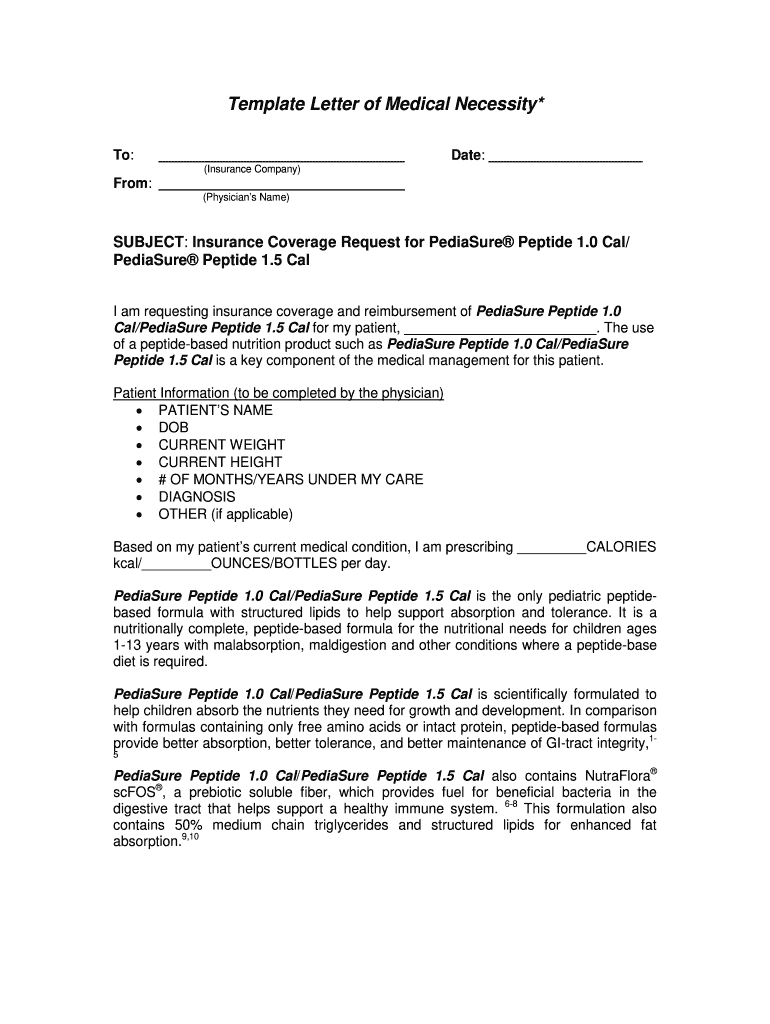







Definition & Meaning of a Sample Letter of Medical Necessity for Caregiver
A sample letter of medical necessity for caregiver serves as a formal request from a healthcare provider to an insurance company, justifying the need for caregiver services. This letter typically outlines specific medical conditions and the required support necessary for the individual's care, aiming to secure coverage for caregiver expenses. The document includes crucial information about the patient, the caregiver's role, and how this support contributes to the individual’s overall health and well-being.
Key Components of the Letter
- Patient Information: Includes the patient's name, date of birth, and relevant medical history.
- Caregiver Details: Identifies who the caregiver is, their relationship to the patient, and their qualifications.
- Medical Necessity Justification: A rationale explaining why caregiver services are essential, citing specific diagnoses or treatment plans.
- Signature of Healthcare Provider: A signature from the doctor or authorized healthcare professional adds legitimacy to the request.
Understanding these elements is crucial for effectively crafting a letter that satisfies insurance requirements.
How to Use the Sample Letter of Medical Necessity for Caregiver
Using a sample letter of medical necessity for caregiver involves several important steps to ensure that it meets the necessary criteria and addresses the patient's needs.
- Customization: Personalize the letter by filling in patient-specific information, such as their medical condition, therapy needs, or daily limitations.
- Justification of Services: Clearly articulate why caregiver services are medically necessary, including references to specific treatments or evaluations performed.
- Formal Tone: Maintain a professional and respectful tone throughout the letter, as it will be reviewed by insurance representatives.
- Submitting the Letter: Once completed, the letter should be submitted alongside other required documents like diagnosis letters or treatment plans, either via electronic methods or traditional mail.
By following these steps, patients or caregivers can secure the required documentation for submitting claims to insurance companies.
Steps to Complete the Sample Letter of Medical Necessity for Caregiver
Crafting a comprehensive sample letter of medical necessity for caregiver requires attention to detail and adherence to specific guidelines.
- Gather All Relevant Information: Collect medical documents, patient history, and insurance details.
- Begin with a Clear Header: State the patient's name, address, and date, followed by the recipient's name and insurance company details.
- Outline Medical Conditions: Describe the patient's medical issues, including any diagnostic codes for clarity, to support the necessity of the caregiver.
- Detail Care Needs: Explain the daily assistance required and how caregiver services will positively impact the patient's life.
- Obtain Healthcare Provider’s Signature: Ensure a healthcare provider signs the document, affirming its authenticity and necessity.
Following these defined steps increases the likelihood of obtaining insurance approval for caregiver services.
Why You Should Use a Sample Letter of Medical Necessity for Caregiver
Engaging with a sample letter of medical necessity for caregiver is essential for several reasons.
- Insurance Requirements: Many health insurance plans require formal documentation to approve caregiver services, making this letter a necessary component of the claim process.
- Clear Communication: The letter translates medical jargon into straightforward language that insurance companies can easily understand, enhancing chances of approval.
- Prevention of Denials: Properly drafted letters can prevent delays or denials in coverage, ensuring that patients receive timely care.
- Documentation of Medical Needs: It serves as a critical record indicating the required interventions, demonstrating the seriousness of the patient's condition.
Using a sample letter not only streamlines communication with insurers but also reinforces the legitimacy of the caregiver's role in the patient's recovery or management plan.
Key Elements of the Sample Letter of Medical Necessity for Caregiver
An effective sample letter of medical necessity for caregiver encapsulates several key elements to strengthen the case for insurance coverage.
- Clear Identification of Patient and Provider: Full names, contact details, and relevant identifiers must be present for both the patient and the healthcare provider.
- Detailed Medical History: Background information about the patient’s medical condition plays a crucial role in justifying the need for caregiver support.
- Specific Statement of Need: An explicit description indicating the necessity of caregiver services should be included, focusing on the daily challenges faced by the patient.
- Duration of Care: An outline of how long caregiver assistance is expected to be necessary helps insurers assess the request.
- Supporting Documentation: Attachments of relevant medical documents, such as diagnosis letters, therapy notes, or previous medical histories, bolster the case for necessity.
Incorporating these elements comprehensively in a letter enhances its persuasive impact and aligns it with what insurers require for approval.
Examples of Using the Sample Letter of Medical Necessity for Caregiver
Real-world scenarios illustrate how a sample letter of medical necessity for caregiver can be utilized effectively.
- Case 1: A patient recovering from surgery may need assistance with daily tasks such as bathing and medication management. The letter should specify the surgical procedure, recovery expectations, and how a caregiver will facilitate this process.
- Case 2: An individual with chronic conditions like Alzheimer’s disease may require constant supervision for safety. The letter could focus on the patient's cognitive impairments and explain how a caregiver will ensure their well-being.
- Case 3: A child with special needs may need both educational and personal support. The letter can outline specific therapies in which a caregiver plays a role, detailing their contributions to the child's development.
These examples help show how tailored letters can address varied situations and streamline the process of acquiring necessary caregiver services.




