




Definition & Meaning
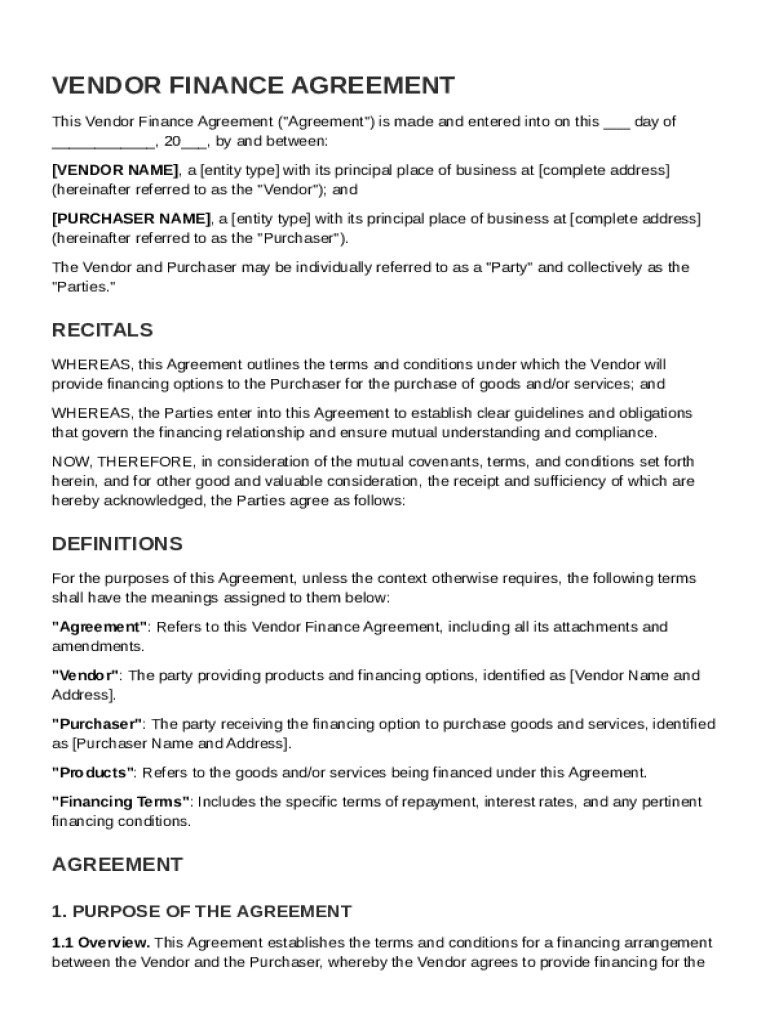
The Vendor Finance Agreement Template is a structured legal document used to outline the terms and conditions under which a vendor provides financing to a purchaser for acquiring specific goods or services. This arrangement allows the purchaser to obtain the necessary items with delayed payment, often through agreed-upon installments. The template typically includes sections detailing repayment schedules, interest rates, and the responsibilities of both parties. Additionally, it outlines conditions for default, ensuring both parties are aware of the consequences should the terms be breached.
Key Elements of the Vendor Finance Agreement Template
The key elements of the Vendor Finance Agreement Template include the financing terms, repayment schedule, interest rates, and the rights and obligations of both vendor and purchaser. Financing terms specify the amount of money provided and conditions under which it is disbursed. The repayment schedule outlines the installments and due dates, ensuring the purchaser understands their payback timeline. Interest rates are crucial as they determine the cost of borrowing, while the rights and obligations section ensures both parties are aware of their roles and responsibilities, including what happens in the event of default.
Steps to Complete the Vendor Finance Agreement Template
Completing the Vendor Finance Agreement Template involves a series of strategic steps that ensure all necessary information is accurately captured.
- Provide Party Information: Begin by entering the names, addresses, and contact details of both the vendor and purchaser.
- Specify Financed Items: List the products or services being financed under the agreement.
- Set Financing Details: Clearly outline the total amount financed, interest rates, and any upfront payments required.
- Define Repayment Terms: Detail the repayment schedule, including installment amounts, frequency, and due dates.
- Identify Default Conditions: Specify what constitutes a default and the repercussions for failing to meet obligations.
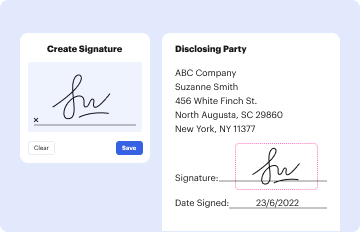
- Review and Sign: Ensure both parties review the document thoroughly before signing to validate its legal standing.
Legal Use of the Vendor Finance Agreement Template
The legal use of the Vendor Finance Agreement Template is rooted in its role as a binding contract that aligns with state and federal laws. It must comply with legal standards to ensure enforceability and protect the interests of both parties. The agreement should be clear, concise, and include all necessary components to avoid legal disputes. Vendors and purchasers need to fully understand their rights and obligations and may seek legal counsel to ensure the agreement complies with applicable laws, thus safeguarding against any potential legal challenges.
Who Typically Uses the Vendor Finance Agreement Template
Typically, small businesses and individual purchasers use the Vendor Finance Agreement Template to facilitate acquisitions without the immediate burden of full payment. Vendors providing flexible financing options use this agreement to detail terms while attracting more buyers by easing upfront financial constraints. Retailers, manufacturers, and service providers often offer vendor finance as an incentive, compelling interested buyers who need financial assistance. The template is especially useful in industries where large capital investments hinder outright purchases, allowing gradual payment solutions.

Potential Consequences of Non-Compliance
Non-compliance with a Vendor Finance Agreement can lead to severe consequences for both parties. If the purchaser fails to adhere to repayment terms, they may incur penalties, late fees, or legal action, which could affect their credit standing. The vendor, on the other hand, risks potential financial losses and legal disputes if they fail to uphold their end of the agreement, such as delivering goods or services as promised. Both parties need to discuss and understand the terms to minimize misunderstandings and avoid breaches.
State-by-State Differences
State-specific regulations may influence the terms of a Vendor Finance Agreement, especially concerning interest rates, default conditions, and enforcement processes. While the template provides a standard format, legal nuances can vary; hence, customization could be necessary to meet state legal requirements. For instance, some states dictate maximum allowable interest rates, while others have consumer protection laws that influence financing terms. It's advised to consult legal expertise familiar with local regulations to ensure compliance and enforceability under state law.
Examples of Using the Vendor Finance Agreement Template
Real-world scenarios of using the Vendor Finance Agreement Template involve various industries and businesses. For example, a small retailer might use the agreement to finance inventory purchases, enabling gradual payments that align with their sales cycle. Alternatively, a tech startup might finance new equipment through such an agreement, preserving cash flow for operational expenses. The construction industry frequently utilizes these agreements for machinery acquisition, ensuring projects proceed without financial delays. These examples showcase the versatility and practical applications across different business contexts, demonstrating the template's ability to facilitate essential enterprise operations.