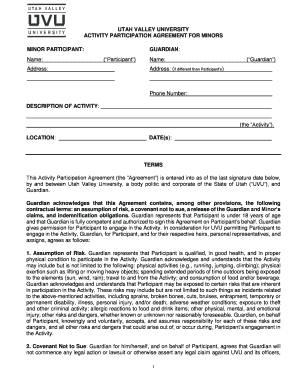
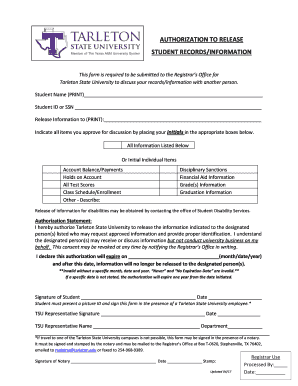
Definition & Meaning
The form "Prepared by the Department of Finance" likely denotes official documentation or financial records formulated by a governmental finance department. These documents often provide comprehensive financial data, such as budgets, audits, or fiscal reports. Understanding the specific context of this document is crucial, as it serves as a tool for transparency and accountability in financial matters. Such documents are crucial for stakeholders, ranging from government officials to citizens, as they provide insights into the financial operations and decision-making processes within an entity.
How to Use the Prepared by the Department of Finance
Utilizing a document prepared by the Department of Finance involves several steps, depending on the intended application. For instance, if this document is a financial report, it can be used to analyze economic trends, assess budgetary allocations, or review fiscal policies. Key sections should be thoroughly examined, including financial statements, revenue projections, and expenditure summaries. Users might engage with these documents to align organizational goals with government objectives or to ensure compliance with fiscal regulations. Detailed analysis may also be conducted to identify any financial discrepancies or areas for potential improvement.
Steps to Complete the Prepared by the Department of Finance
Completing a form associated with the Department of Finance requires meticulous attention to detail and accuracy. Typically, users must gather essential data, such as revenue figures, expenditure details, and balance sheets. The steps include:
-
Collect Relevant Data: Gather all necessary financial information, ensuring that data is up-to-date and verifiable.
-
Follow Instructions Carefully: Adhere to any specific guidelines provided with the form, ensuring compliance with legal and procedural requirements.
-
Fill Out Specific Sections: Complete all required sections, ensuring accuracy and consistency in the information provided.
-
Review and Verify: Double-check all entries to ensure correctness and completeness, as errors can lead to non-compliance or financial inaccuracies.
-
Submit through Appropriate Channels: Depending on the nature of the document, it may be submitted electronically, via mail, or in person.
Key Elements of the Prepared by the Department of Finance
This document typically comprises several critical components that ensure transparency and comprehensive financial reporting:
-
Financial Statements: These provide a summary of the entity's financial activities, including income statements and balance sheets.
-
Revenue and Expenditure Reports: Detailed accounts of incoming and outgoing funds, illustrating how financial resources are managed.
-
Budget Allocation: An outline of how funds are distributed across various departments or projects, reflecting priorities and resource management.
-
Audit Findings: Results from financial audits that ensure accuracy and compliance with relevant regulations.
These elements collectively ensure a holistic understanding of the financial health and practices of the entity in question.
Legal Use of the Prepared by the Department of Finance
The legal use of documents prepared by the Department of Finance is vast, providing a framework for compliance, accountability, and transparency. These documents are often referenced in legal settings to validate financial actions, support budgetary decisions, and uphold fiscal responsibility. They must comply with statutory regulations, such as the SEC's financial reporting standards. In legal disputes, these forms might serve as evidence for financial standing or policy adherence. Moreover, they are often a component of mandatory disclosures in public sector finance.
State-Specific Rules for the Prepared by the Department of Finance
State-specific regulations can influence how financial documents are prepared by the Department of Finance. These rules may dictate:
-
Filing Requirements: Guidelines on how and when documents must be filed to comply with state laws.
-
Content Specifications: Detailed instructions on what information must be included, specific to state financial processes and practices.
-
Format and Presentation: Variations in how documents should be formatted for clarity and conformity with state regulations.
Understanding these nuances is essential for compliance and ensures that documents reflect accurate and state-approved financial procedures.
Examples of Using the Prepared by the Department of Finance
Documents prepared by the Department of Finance are instrumental in various scenarios:
-
Budget Planning: Government agencies might leverage these documents to structure next year's budget, ensuring funds are allocated efficiently and in alignment with strategic priorities.
-
Audit Trails: Financial auditors use these documents to verify the accuracy of an entity’s financial practices and ensure compliance with laws.
-
Economic Analysis: Economists and financial analysts might refer to these reports to gauge economic health and propose fiscal policies or strategies.
These examples underscore the document's versatility and critical role in financial management and decision-making.
Penalties for Non-Compliance
Failure to adhere to the prescribed use or submission of financial documents can result in various penalties:
-
Fines and Sanctions: Entities may incur financial penalties for late or incorrect submissions.
-
Legal Consequences: Non-compliance might lead to lawsuits or other legal actions.
-
Loss of Funding: Governmental entities might face budget cuts or funding suspensions due to non-compliance.
Ensuring compliance with guidelines and deadlines is crucial to avoid these adverse outcomes and maintain fiscal integrity.