




Definition & Meaning
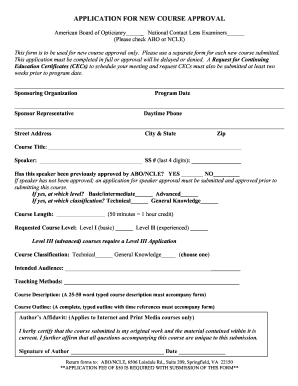
A Request for Proposals (RFP) is a formal document used by organizations to solicit bids from vendors for specific projects or services. It outlines the project requirements and invites qualified contractors or service providers to submit detailed proposals on how they intend to meet those needs. Used extensively in industries such as construction, technology, and consulting, RFPs ensure a transparent and competitive selection process, promoting optimal solutions and fair pricing.
Key Elements of the REQUEST FOR PROPOSALS (RFP)
Project Details and Objectives
An RFP typically begins with a comprehensive overview of the project, including objectives and expected outcomes. This section establishes the foundation for vendors to understand the client's needs. Clear articulation of goals helps vendors align their solutions accordingly.
Scope of Services
A well-defined scope of services is critical. It specifies the tasks, responsibilities, and deliverables expected from the vendor. This section minimizes misunderstandings by delineating the project's boundaries and sets the stage for detailed vendor proposals.
Evaluation Criteria
The evaluation criteria section details how the proposals will be assessed. It includes factors such as price, technical capability, timeline, and past performance. Providing potential bidders with this information ensures transparency and helps them tailor their proposals to meet these criteria effectively.
How to Use the REQUEST FOR PROPOSALS (RFP)
Preparing the RFP
To effectively utilize an RFP, organizations should start by clearly defining their requirements and objectives. This involves detailed internal discussions to identify all project facets, ensuring that the document addresses every need. An organized, thorough RFP sets the foundation for successful vendor engagement.
Distributing the RFP
Once prepared, the RFP is distributed to potential vendors. This distribution can occur through online platforms, industry publications, or direct invitations. Selecting the right distribution method is crucial to reaching competent vendors capable of delivering the desired results.
Receiving and Reviewing Proposals
As proposals are received, a systematic review process is critical. Organizations often form a committee to evaluate submissions against predetermined criteria. A balanced approach ensures that all proposals are given fair consideration, facilitating an objective selection process.
Why You Should Request for Proposals (RFP)
Ensures Competitive Bidding
Issuing an RFP encourages competitive bidding, which can lead to cost-effective solutions. By inviting multiple vendors to submit proposals, organizations can compare various offers, ensuring they receive the best value for their investment.
Enhances Decision-Making
The structured nature of an RFP provides a framework for informed decision-making. Organizations gain access to detailed proposals that outline different approaches to the project, helping them choose solutions that closely align with their strategic objectives.
Who Typically Uses the REQUEST FOR PROPOSALS (RFP)

Government Agencies
Government entities frequently use RFPs to procure services and goods. This formal process ensures transparency and accountability in public spending, making it an integral part of governmental procurement.
Private Sector Companies
Private companies use RFPs to source complex solutions, such as software development or construction projects. It allows them to explore innovative approaches and select the most suitable partner for their needs, promoting efficiency and effectiveness.
Important Terms Related to REQUEST FOR PROPOSALS (RFP)
- Bidder: A potential vendor submitting a proposal in response to an RFP.
- Proposal: A detailed plan submitted by a bidder outlining how they intend to address the requirements specified in the RFP.
- Deadline: The final date for submission of proposals, critical for maintaining the project timeline.
Steps to Complete the REQUEST FOR PROPOSALS (RFP)
- Drafting the RFP: Begin by compiling a comprehensive list of project requirements, expectations, and evaluation criteria.
- Internal Review: Conduct an internal review to ensure the RFP is clear and comprehensive.
- Distribution: Utilize chosen platforms to distribute the RFP to potential bidders.
- Proposal Evaluation: Establish a committee to evaluate received proposals against the outlined criteria.
- Selection: Choose the proposal that best meets the project requirements and budget.