







Definition and Meaning
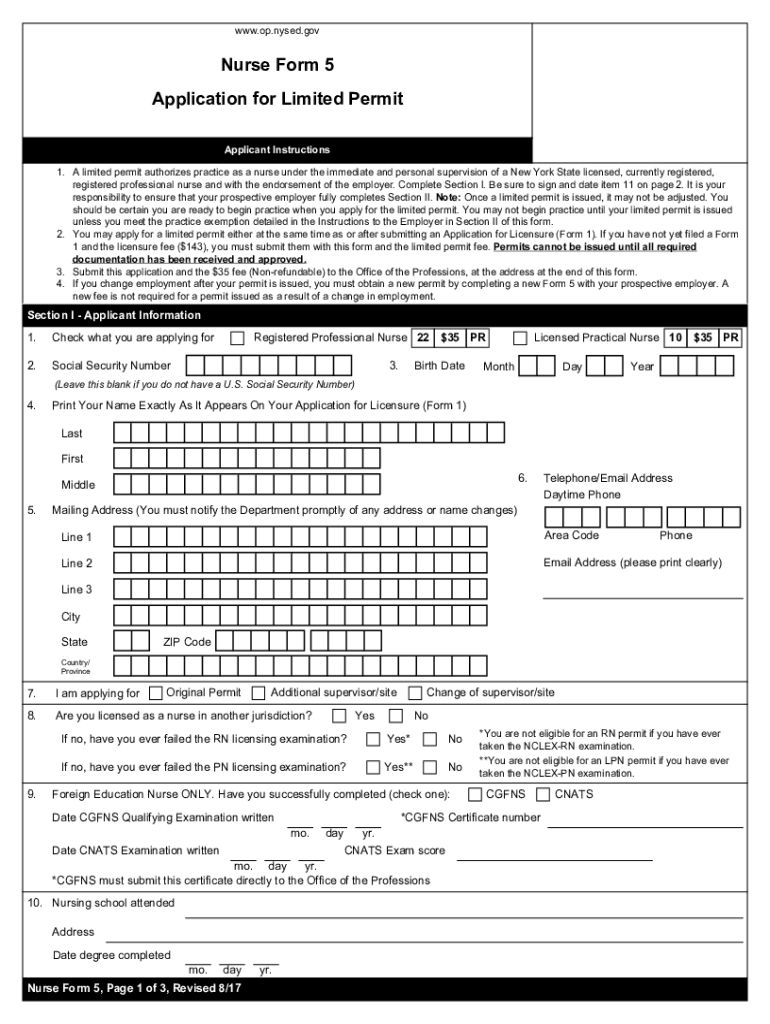
The "Application Forms: RN and LPNOffice of the Professions" are official documents used by registered nurses (RN) and licensed practical nurses (LPN) in the United States to apply for professional licensure or renewal. These forms are essential for nurses seeking authorization to practice within a specific state and ensure that applicants meet the predetermined criteria set by the regulatory body. The forms typically require personal information, educational background, work experience, and confirmation of associated fees. Completing these forms is a crucial step in verifying a nurse's qualifications and eligibility to legally practice in their chosen jurisdiction.
How to Use the Application Forms: RN and LPNOffice of the Professions
- Gather Necessary Information: Before filling out the form, collect all required details, such as educational transcripts, employment history, and any certifications.
- Follow Instructions Carefully: Each form comes with a set of instructions that guide applicants through the process. It is vital to follow these instructions meticulously to avoid errors.
- Complete Required Sections: Ensure all mandatory sections of the form are filled out accurately. This may include demographic information, nursing credentials, and answers to legal questions.
- Review and Revise: Go over your entries to correct any mistakes, as inaccuracies can delay the processing of the application.
- Submit with Payment: Once the form is complete, submit it as per the instructions, ensuring that any required fees are paid.
Completion of these steps ensures a smoother processing experience and increases the likelihood of timely approval.
Steps to Complete the Application Forms: RN and LPNOffice of the Professions
- Read Through the Form: Familiarize yourself with every section of the application form to understand what information is needed.
- Fill Personal Information: Enter your full name, address, and contact details as precisely as they appear on your identification documents.
- Education and Credentials: Include comprehensive details about your nursing education, including the names of institutions and dates of attendance.
- Professional Experience: Document your nursing experience, highlighting relevant positions, responsibilities, and duration.
- Sign and Date: Conclude the application by signing and dating it where required. This signature often confirms the authenticity and accuracy of the information provided.
- Attach Supporting Documents: Attach any additional documents, such as proof of identity or verification letters from previous employers.
- Submit the Form: Send the completed form and all required materials through the specified method, whether online, by mail, or in person.
Following this structured procedure helps prevent errors and minimizes processing delays.
Important Terms Related to Application Forms: RN and LPNOffice of the Professions
- Licensure: The official permission granted to an individual to practice nursing in a specific jurisdiction following successful completion of necessary examinations and requirements.
- Credentialing: The process of verifying qualifications, including education, experience, and other criteria that meet professional standards.
- Endorsement: A form of state licensure that recognizes a nurse's license from another state, simplifying the process for a nurse to gain licensure without re-testing.
- NCLEX: The National Council Licensure Examination, which is required for obtaining a nursing license in the United States.
Understanding these terms is essential for accurately navigating the application process.
Who Typically Uses the Application Forms: RN and LPNOffice of the Professions
The primary users of these forms are nurses seeking licensure to practice in a new state or to renew their existing licenses. This group includes:
- New Nursing Graduates: Individuals who have recently completed their nursing education and are applying for an initial license.
- Relocating Nurses: Experienced nurses moving states who need to gain licensure in their new location.
- Nurses with Lapsed Licenses: Professionals returning to the field after an absence and needing to reinstate their licenses.
These forms are pivotal for any nurse aiming to continue or begin their professional practice legally in a given state.


Key Elements of the Application Forms: RN and LPNOffice of the Professions
- Personal Identification: Includes name, date of birth, social security number, and contact information.
- Educational Background: Details about nursing school accreditation, degrees obtained, and academic transcripts.
- Professional Experience: Information on work history, including past and present employers, job titles, and durations.
- Health and Legal Disclosures: Statements about the applicant’s physical and mental health, as well as any criminal background checks.
- Fee Payment: Submission of the correct application fees, which vary by state.
Accurately providing these elements is necessary for the successful submission of the application.
Legal Use and Compliance
The use of these forms is legally mandated by state nursing boards, ensuring that all practicing nurses meet the required standards before receiving a license. The forms serve as a legal record, confirming that the nurse has undergone the necessary scrutiny to uphold public safety and professional integrity. Compliance with these forms ensures adherence to local laws and regulations governing healthcare practice and provides assurance of the nurse’s capability and commitment to ethical practice.
State-Specific Rules for the Application Forms: RN and LPNOffice of the Professions
Each state has its specific guidelines and prerequisites for nursing licensure applications that can affect the form completion process. Some states require additional certifications, unique endorsements, or variations in education evaluation. State-specific rules include:
- Varying Fee Structures: Different states may have distinct fee requirements for application processing.
- Local Jurisprudence Exams: Some states require passing a local law exam as part of the licensure process.
- Continuing Education Units (CEUs): Requirements for ongoing education may vary and need to be documented on the application.
Familiarizing oneself with these state-specific nuances is crucial for ensuring compliance and expediting licensure.




