
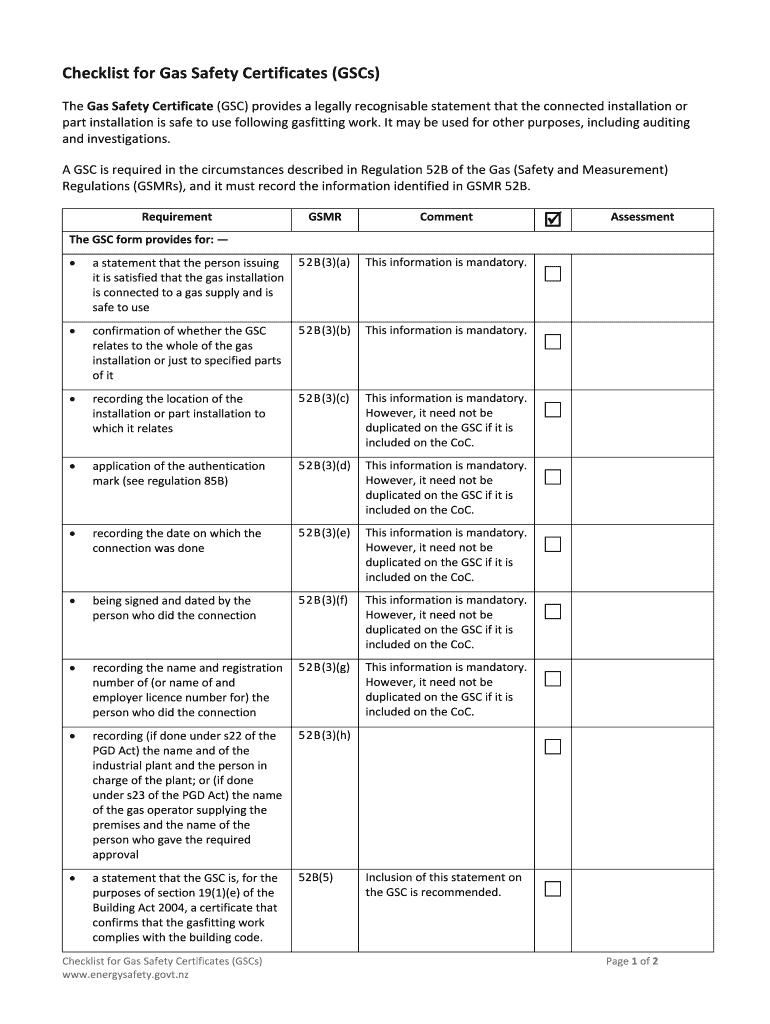







Understanding Gas Safety Certificates (GSCs)
Gas Safety Certificates (GSCs) serve as official documents confirming that a gas installation has been inspected and deemed safe for use. These certificates are critical for ensuring public safety and are often required by law following any gas installation or major service work. For property owners, possessing a valid GSC not only confirms compliance with safety regulations but is also a safeguard against liability in the event of an incident.
Importance of Having a Gas Safety Certificate
Holding a valid Gas Safety Certificate is essential for landlords, property managers, and homeowners. This document provides assurance that all gas appliances, fittings, and pipework within a property have been checked by a qualified professional. Furthermore, in many jurisdictions, landlords are legally required to supply tenants with a copy of a current GSC to ensure their safety.
Key Elements of the Gas Safety Certificate
A comprehensive GSC should contain several critical pieces of information:
- Details of the Engineer: The name, registration number, and signature of the gas engineer who conducted the inspection.
- Details of the Property: The address of the inspected property, allowing for easy identification and record-keeping.
- Inspection Date: The date on which the inspection was carried out. GSCs typically expire after a year, necessitating annual inspections.
- Description of Inspected Appliances: A list of all the gas appliances checked, documenting their make, model, and state of repair.
- Safety Checks and Results: Specific tests performed during the check, alongside their results, confirming the safety or otherwise of each appliance.
- Recommended Actions: Any necessary actions or repairs needed to maintain the property's gas safety. Each recommended action should be detailed clearly.
- Expiration Date: Indicates when the GSC will need to be renewed to ensure ongoing compliance.
Steps for Completing the Gas Safety Certificate Checklist
- Engage a Registered Gas Engineer: Ensure the inspection is carried out by a professional listed on an official gas safety register.
- Preparation Prior to Inspection: Clear access to all gas installations and relevant documentation can facilitate a thorough check.
- Conducting the Inspection: The engineer will inspect appliances, pipework, and flues for safety and efficiency.
- Reviewing the Findings: The engineer will provide a complete report with findings and any recommendations for actions.
- Rectifying Any Issues: Address any identified issues promptly to ensure gas safety and compliance before issuance of the certificate.
- Issuance of the Certificate: After successfully passing the inspection, a GSC will be issued.
Legal Use and Compliance
GSCs are legal documents required to be retained and produced upon request by regulatory bodies or prospective tenants. The absence of a valid GSC can lead to fines, legal liability, and potential hazards. Compliance ensures protection under the law and upholds safety standards within the community.
Penalties for Non-Compliance
Failure to adhere to gas safety regulations can result in significant fines and legal action. In severe cases, negligence leading to harm may result in criminal charges. Additionally, insurance claims may be voided in the absence of a valid GSC following an incident.
Digital vs. Paper Versions
With advances in technology, GSCs can be managed digitally, simplifying record-keeping and accessibility. Digital certificates provide benefits such as quick retrieval, easy sharing, and environmentally friendly storage options. Nonetheless, holding a paper copy remains a recommended practice for immediate physical reference.
Software Compatibility
Compatibility with document management software like DocHub ensures streamlined workflows. Tools provided by such platforms enable the efficient execution of edits, storage, and sharing, accommodating multiple formats including DOC and PDF.
Who Typically Uses the Gas Safety Certificate Checklist
This checklist is primarily used by:
- Landlords: To ensure rental properties comply with safety standards.
- Property Managers: Responsible for the safety of multi-unit housing.
- Homeowners: To verify the safety of their personal residences.
- Gas Engineers: To maintain a record of services provided and advise clients on potential issues.
- Real Estate Agents: To facilitate safe property sales and management.


Practical Examples and Use Cases
- Residential Property Management: Landlords regularly ensure rental properties have valid GSCs to meet regulations and safeguard tenants.
- Commercial Property Safety: In office spaces and business premises, implementing scheduled inspections and maintaining GSCs minimizes liability.
- Home Sales and Purchases: Buyers and sellers use GSCs to confirm a property's gas safety status—a crucial aspect of the due diligence process.
Required Documentation
To facilitate the Gas Safety Certificate process, the following documents may be needed:
- Previous Gas Safety Certificates for historical insight.
- Documented service history of gas appliances.
- Manuals and specifications for appliances to assist engineers with standards comparisons.
- Proof of qualifications for engineers performing inspections, to ensure compliance with regulatory standards.
By ensuring comprehensive coverage and compliance with relevant guidelines, GSCs protect individuals and organizations alike, promoting a culture of safety and due diligence.




