
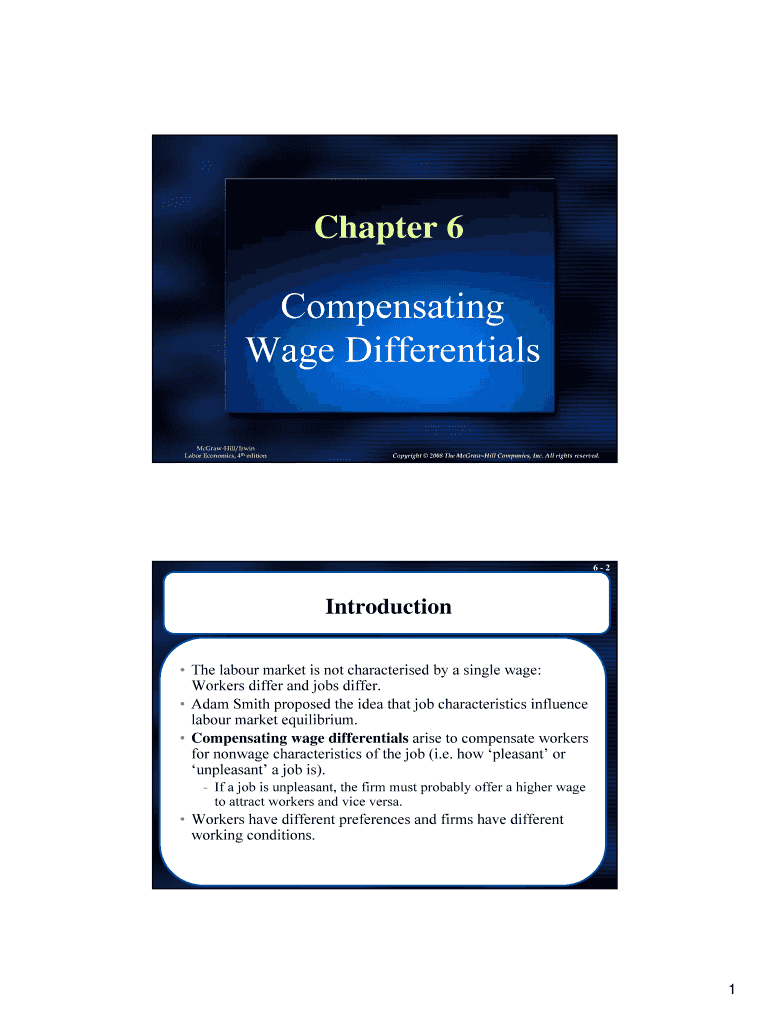







Definition and Meaning of Wage Differentials
Wage differentials refer to the variations in wage levels between different occupations, industries, or regions, and can also occur within the same job type due to differences in skills, experience, or job location. These variations showcase the complexities of the labor market and how various factors such as education, skill levels, and even geographic location can influence earning potential. For example, a software engineer in Silicon Valley might earn more than one in a smaller town due to the demand for tech professionals in that region.
How to Use Wage Differentials in Workforce Planning
Understanding wage differentials is crucial for organizations in strategic workforce planning. By analyzing these differences, businesses can design competitive compensation packages that attract and retain talent. Companies often benchmark their salaries against industry standards to ensure they offer competitive wages. For HR professionals, wage differentials can inform salary negotiations, helping to align employee compensation with market rates.
Steps to Analyze Wage Differentials
Analyzing wage differentials involves several steps that can help in making informed business and career decisions:
-
Data Collection: Gather data on wages for different job roles within your industry or region. This can include government reports, industry surveys, and job postings.
-
Comparison: Compare the collected data across different job roles, industries, and regions to identify patterns and disparities.
-
Factor Analysis: Evaluate the factors contributing to these differentials, such as education, experience, industry demand, and location.
-
Implementation: Use the analysis to guide decision-making in areas such as salary structuring, employee retention strategies, and career planning.
Why You Should Understand Wage Differentials
Understanding wage differentials is important for several reasons:
- Career Advancement: Individuals can make informed career choices by understanding which industries or roles offer higher pay.
- Equity and Fairness: Organizations can use wage differential knowledge to address pay inequities and ensure fair compensation across all employees.
- Market Competitiveness: Companies can maintain competitiveness by ensuring their compensation packages meet or exceed industry standards.
- Policy Development: Policymakers can address economic disparities and develop initiatives to bridge wage gaps in different sectors.
Important Terms Related to Wage Differentials
Several key terms are essential when discussing wage differentials:
- Compensating Wage Differentials: These refer to differences in pay based on non-monetary job aspects like working conditions or job location.
- Hedonic Wage Theory: A theory stating that wages are determined by the characteristics of the job and the individual, not just skill and productivity levels.
- Wage Inequality: The unequal distribution of wages across various participants in an economic system.
Legal Use of Wage Differentials
In the U.S., wage differentials are legally recognized and can be used to assess compliance with labor laws, such as the Equal Pay Act. Employers should ensure that wage differentials do not result from discrimination based on gender, race, or other protected characteristics. Legal frameworks mandate equal pay for equal work, and any existing differentials must be justified by factors like experience, education, or job performance.
Examples of Wage Differentials in Practice
To illustrate wage differentials, consider the following real-world examples:
- Healthcare Industry: A neurosurgeon typically earns significantly more than a general practitioner due to the specialized nature and higher demand for their skills.
- Regional Differences: A construction worker in New York City likely earns more than one in a rural area due to cost-of-living differences and demand for construction services in urban environments.
- Experience Variation: An experienced sales manager might earn more than a junior manager within the same company because of their proven sales track record and leadership skills.
Required Documentation to Analyze Wage Differentials
To accurately analyze wage differentials, having the right documentation is essential:
- Employee Payroll Records: This provides detailed information about pay scales within an organization.
- Industry Surveys: Access reports and surveys that outline wage standards within specific sectors.
- Labor Market Reports: Utilize government or private sector reports that provide insights into regional and national pay trends.
- Job Descriptions and Contracts: Analyze contracts and job descriptions to understand role-specific pay determinants.




