



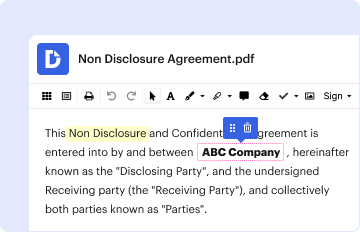
01. Edit your aba transition plan example online
Type text, add images, blackout confidential details, add comments, highlights and more.

Type text, add images, blackout confidential details, add comments, highlights and more.
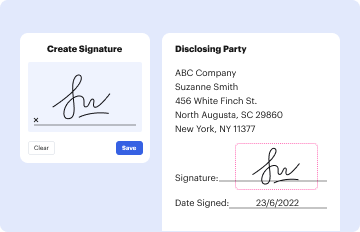
Draw your signature, type it, upload its image, or use your mobile device as a signature pad.
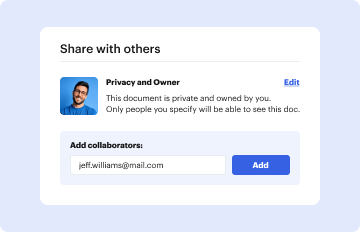
Send aba treatment plan template via email, link, or fax. You can also download it, export it or print it out.
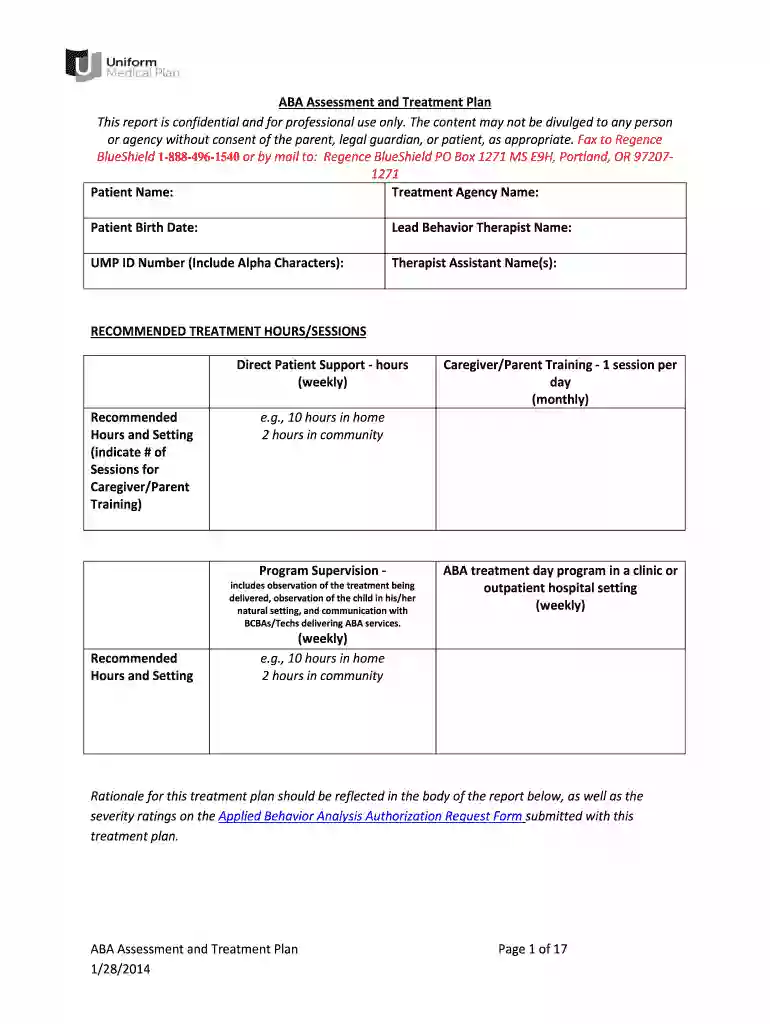
An ABA treatment plan template serves as a structured guide for creating individualized treatment plans within the framework of Applied Behavior Analysis (ABA), particularly for clients with autism spectrum disorder (ASD) or other behavioral challenges. Such plans include specific goals, methodologies for achieving those goals, and a means to measure progress over time.
The ABA treatment plan typically outlines various components that reflect the unique needs of the client, including skill acquisition goals, behavioral interventions, and maintenance strategies. It is crucial for ensuring that the treatment aligns with the best practices in ABA, promoting effectiveness and accountability within the therapeutic process.
Utilizing an ABA treatment plan template not only standardizes documentation but also facilitates communication among team members, providing a clear reference for ongoing assessments and adjustments. This is essential for practitioners, such as Board Certified Behavior Analysts (BCBAs), as they create evidence-based strategies to support clients.
An effective ABA treatment plan template should incorporate several key components to ensure comprehensive coverage of the client's needs.
Client Information: Capture essential data like the client's name, date of birth, diagnosis, and background information.
Assessment Summary: Include findings from initial assessments, detailing strengths and areas of need identified through standardized measures or direct observation.
Goals and Objectives: Clearly articulated short-term and long-term goals should be specific, measurable, achievable, relevant, and time-bound (SMART). These might focus on skill acquisition, reduction of maladaptive behaviors, or enhancement of communication abilities.
Intervention Strategies: Describe the evidence-based methodologies that will be employed, such as discrete trial training, natural environment teaching, or behavior modification techniques.
Data Collection Methods: Specify how progress will be monitored, including types of data collection (e.g., frequency counts, duration recordings) and any tools used to track client progress.
Maintenance and Generalization Plans: Outline strategies for maintaining skills over time and promoting the generalization of skills across different settings or environments.
Review and Modification Procedures: Detail when and how the plan will be reviewed, allowing for adjustments based on client progress or changing needs.
By ensuring these elements are included, practitioners can create a robust treatment plan that not only serves immediate needs but also lays the groundwork for future adjustments and interventions.
Using an ABA treatment plan template involves several critical steps to ensure it meets the needs of both the client and the service provider.
Gather Necessary Information: Start by compiling background information on the client, including previous assessments and reports. This foundational data will guide the initial goals of the treatment plan.
Define Goals: Collaborate with the client’s family and other professionals involved in the client’s care to establish clear and relevant goals. This should align with the client's strengths and challenges, ensuring they are personalized and person-centered.
Select Interventions: Choose appropriate interventions based on the identified goals. It's essential to ground these selections in evidence-based practices relevant to the client's unique profile.
Outline Data Collection: Clearly delineate how progress will be measured. This can include specifying the frequency of data collection, who will be responsible, and how it will be documented in the template.
Establish Review Periods: Set specific times to review and revise the treatment plan, ensuring that it remains dynamic and responsive to the client's progress and any emerging needs.
Facilitate Communication: Use the completed ABA treatment plan template as a communication tool among all stakeholders, ensuring alignment on treatment goals and strategies.
By following these steps, practitioners can effectively implement an ABA treatment plan template, facilitating better outcomes for clients through structured and well-coordinated interventions.
Completing an ABA treatment plan template requires a systematic approach to ensure that all necessary components are accurately addressed.
Initial Assessment: Conduct a comprehensive evaluation using standardized assessments, observations, and interviews with caregivers to identify the client’s needs and preferences.
Identify Key Areas: Highlight critical skills that need development or behavior issues that require intervention. Use data from the assessment to support your decisions.
Establish Behavioral Goals: Formulate specific, measurable goals that reflect the identified needs and align with family and client aspirations. Goals could include “Increase social interaction during playtime” or “Reduce instances of self-injurious behavior.”
Plan Interventions: Specify detailed intervention strategies that will support goal attainment. For example, if the goal is to enhance communication, utilize methods such as picture exchange systems or social stories.
Design Data Collection Protocols: Decide how data will be collected, which may involve direct observation or checklists. Clearly outline who will collect the data and how often.
Create a Review Schedule: Determine intervals for reviewing the treatment plan’s effectiveness, allowing for modifications based on data collected and ongoing assessments.
By following these structured steps, practitioners can ensure that their ABA treatment plans are both comprehensive and targeted, enhancing the likelihood of successful outcomes for clients.
Understanding the terminology used in ABA treatment plans is vital for clear communication among practitioners, clients, and families. Here are several key terms often associated with ABA treatment plans:
Functional Behavior Assessment (FBA): A systematic process for identifying the purpose of a specific behavior, which guides the development of effective interventions.
Baseline Data: Information that reflects the current performance level of the client before implementing any intervention, establishing a point of comparison.
Reinforcement: A strategy used to increase the likelihood of a desired behavior by providing a reward following its occurrence.
Generalization: The ability of a client to apply learned skills in different contexts or environments beyond the initial training settings.
Maintenance: Strategies implemented to help clients retain skills over time, ensuring that the benefits of the interventions persist.
Behavior Intervention Plan (BIP): A specific plan that outlines strategies and supports designed to address challenging behaviors by implementing structured interventions.
Familiarity with these terms enhances understanding and effectiveness when utilizing an ABA treatment plan template, facilitating better collaboration among all involved parties.
We've got more versions of the aba transition plan example form. Select the right aba transition plan example version from the list and start editing it straight away!
| Versions | Form popularity | Fillable & printable |
|---|---|---|
| 2014 | 4.8 Satisfied (43 Votes) |
At DocHub, your data security is our priority. We follow HIPAA, SOC2, GDPR, and other standards, so you can work on your documents with confidence.
Ensure there is not redundancy with recommended ABA treatment plan. Outline previous courses of ABA therapy, including dates, setting, and the outcome.Read more
MEMORANDUM FOR DEPUTY ASSISTANT SECRETARY OF THE ARMY. (ENVIRONMENT, SAFETY, AND OCCUPATIONAL. HEALTH). DEPUTYASSISTANT SECRETARY OF THE NAVY. (ENVIRONMENT).Read more
This template includes all the important information to include in a behavior support plan. In the realm of supportive care, behavior. Developing aRead more


