






Definition and Meaning of "Over the Beach"
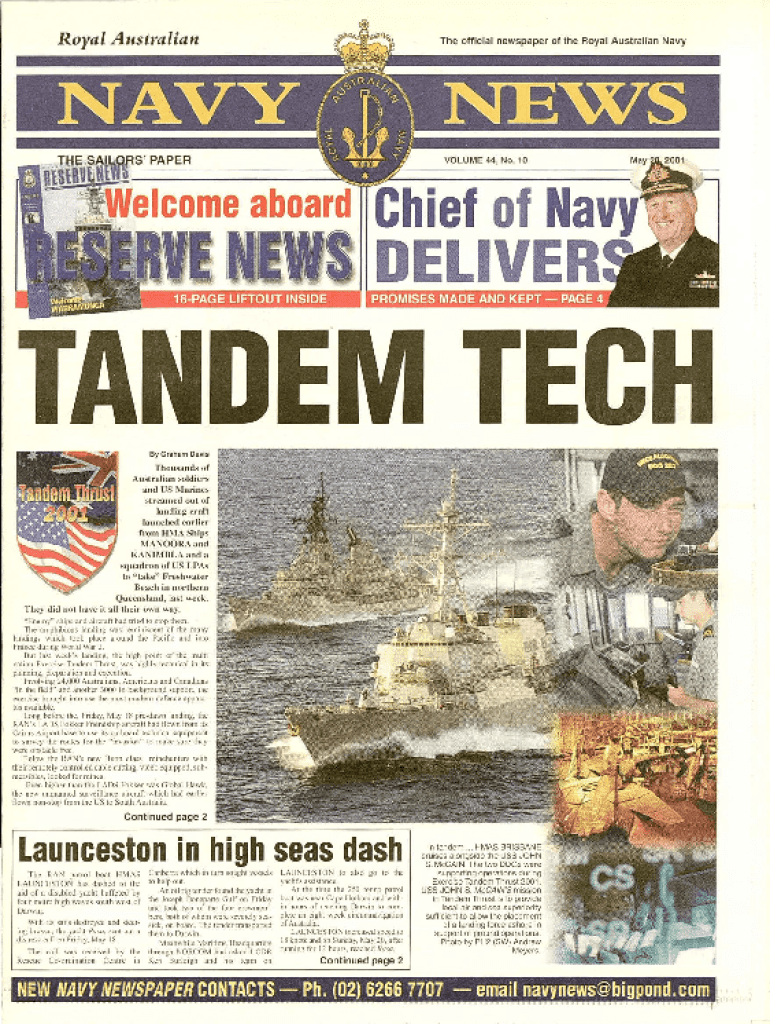
The term "Over the Beach: US Army Amphibious Operations in the" refers to military exercises and operations where the United States Army conducts amphibious landings onto shorelines. These operations are critical for deploying troops, vehicles, and equipment from sea to land in various combat scenarios. Over-the-beach operations have been pivotal in many historical military campaigns, where launching forces directly onto shorelines allowed for a strategic advantage over adversaries.
Historical Context
- Amphibious operations have played a vital role in military history, notably during World War II with the D-Day landings at Normandy.
- These operations are complex, involving coordination between naval, air, and ground forces to achieve a seamless transition from sea to land.
- Modern amphibious tactics continue to evolve with technological advancements in vehicles, logistics, and strategic planning.
Key Elements of Amphibious Operations
Components of an Operation
- Planning and Intelligence: Essential for understanding the terrain and enemy defenses. It includes reconnaissance and collecting actionable intelligence for successful execution.
- Logistics and Equipment: Transport vehicles, amphibious assault ships, and landing crafts are crucial to carry troops and equipment safely to the shore.
- Communication Systems: Robust, reliable communication networks ensure coordinated actions between different military branches involved in the operation.
- Support Elements: Air support and naval gunfire are integral for providing cover during landings and neutralizing enemy threats onshore.
Execution Strategy
- The operation begins with securing a beachhead, a critical first step that allows forces to establish a foothold on enemy territory.
- Subsequent waves of troops and equipment reinforce initial forces, expanding control inland.
- Coordination with air units provides overwatch and reacts to emerging threats during the landing phase.
How to Execute an Amphibious Operation
Step-by-Step Process
-
Pre-Landing Preparation
- Gather intelligence and conduct rehearsals.
- Ensure readiness of troops and equipment, checking communication links and logistics.
-
Landing Execution
- Initial waves deploy to secure the beachhead.
- Continuous monitoring and adaptation to real-time battlefield conditions.
-
Post-Landing Operations
- Secure supply lines and consolidate territorial gains.
- Transition from beach operations to deeper inland objectives.
Importance of Amphibious Operations
Strategic Advantages
- Flexibility: Ability to strike at various points along a coastline minimizes predictability and enhances strategic options.
- Rapid Deployment: Facilitates quick establishment of a forward operating presence.
- Versatility: Adapts to a range of terrains and enemy defenses, making it a versatile military tool.
Modern Implications
- With advancements in technology, current operations incorporate drones for surveillance, advanced ballistic protection, and optimized logistics systems to handle complex scenarios.
Common Terms in Amphibious Operations
Essential Terminology
- Beachhead: The initial area secured during an amphibious operation from where forces are expanded.
- Landing Craft: Vessels specifically designed to transport equipment and troops directly onto beaches.
- Naval Gunfire Support (NGFS): Use of ship-mounted guns to support amphibious forces by targeting enemy positions on land.
Acronyms
- AAV: Amphibious Assault Vehicle, designed to transport troops from sea to land during operations.
- ALC: Assault Landing Craft, facilitating the rapid transport of personnel and equipment.
Legal Context and Guidelines
Authorization and Compliance
- Military operations like these require authorization higher up in the chain of command and adhere to international laws of armed conflict.
- Joint operations are often conducted under the purview of established military alliances, such as NATO.
State-Specific Rules for Military Exercises
Considerations for Operations
- State-specific environmental regulations may impact the timing and location of amphibious exercises.
- Coordination with state authorities ensures compliance with local and federal laws, particularly concerning environmental protection and public safety.
Examples of Adaptations
- Adjustments in operational plans may account for sensitive wildlife areas or economically significant maritime activities.
Technological Integrations
Modern Software and Equipment
- Simulation Software: Used for training and planning purposes, these systems model potential landing scenarios for optimal preparation.
- Advanced Navigation Systems: Provide precise guidance to landing forces, ensuring accuracy and minimizing risks.
Integration with Existing Systems
- Systems like the Navy's Aegis Combat System work in tandem with army operations to provide comprehensive situational awareness and coordination.
This comprehensive guide provides insights into the complexities of amphibious operations, detailing their importance, execution, and modern enhancements that continue to shape military strategies.