





Definition and Purpose of Form 8 Application
The Form 8 application to vary or cancel a restraining order serves as a critical legal document within the context of restraining orders. It is specifically designed to allow individuals to formally request modifications or the complete cancellation of previously issued restraining orders. This form is significant in managing the legal boundaries set by a restraining order, which may have been put in place to ensure the safety of a party involved in a dispute or conflict.
Understanding this application is essential for any individual seeking to navigate the complexities of the legal system. Grounds for variation or cancellation may include changes in circumstances since the original order was imposed, such as reconciliation between parties or changes in residence that affect the appropriateness of the order.
Key Features of the Form
- Types of Restraining Orders: The form accommodates various types of restraining orders, which may include domestic violence, no-contact orders, or civil harassment orders. Each type has specific implications that must be addressed when seeking changes.
- Information Gathering: Applicants are required to supply essential personal details, including their full name, address, and the details of the existing restraining order, which serve as a basis for their request.
Steps to Complete the Form 8 Application
Filling out the Form 8 application to vary or cancel a restraining order involves several steps that require careful attention to detail. The following outlines the process:
-
Obtain the Form:
- Access the Form 8 application from appropriate legal resources or court websites. It may be available as a restraining order form PDF or as a Word document.
-
Fill in Personal Information:
- Provide complete personal details, including your name, contact information, and the original restraining order case number. This ensures accurate identification in court records.
-
State Grounds for Application:
- Clearly outline the reason for your request to vary or cancel the restraining order. This may include changes in circumstances or evidence that supports your case.
-
Detail the Requested Changes:
- Specifically indicate whether you seek a total cancellation or particular modifications to the existing order. Be precise to avoid confusion during legal proceedings.
-
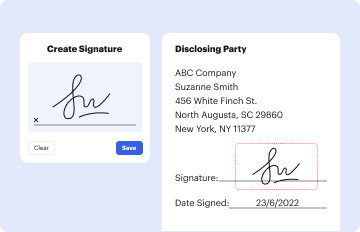
Sign and Date the Form:
- Ensure you include your signature and the date of submission. This step is crucial for validating your application.
-
Submit the Form:
- Prepare to submit the completed application to the relevant court. Familiarize yourself with submission guidelines specific to your state, which may include options to file in person, by mail, or digitally.
Important Terms Related to Form 8 Applications
When completing the Form 8 application, it is imperative to understand key legal terminology that may impact your application:
- Restraining Order: A legal injunction that prohibits an individual from taking certain actions, typically to protect another individual from harassment or harm.
- Applicant: The party requesting the variation or cancellation of the restraining order, usually the person who is subject to the order.
- Respondent: The individual against whom the restraining order was issued, often involved in the underlying dispute.
Understanding these terms is essential for accurately completing the form and navigating any court-related processes that follow.
Required Documents for Submission
To effectively submit the Form 8 application, accompanying documents may be necessary to support your request. These often include:
- Proof of Identity: Government-issued identification that verifies the identity of the applicant.
- Existing Restraining Order Documentation: A photocopy of the original restraining order that is under review for modification.
- Evidence Supporting Application: Any relevant documentation such as records, photographs, emails, or witness statements that substantiate your reasons for varying or canceling the order.
Gathering the necessary documents expedites the process and reduces the likelihood of unforeseen delays during evaluation by the court.
Examples of Using the Form 8 Application
Practical examples illustrate how individuals might utilize the Form 8 application to vary or cancel a restraining order:
- Reconciliation Scenario: Two parties once involved in a contentious relationship may have resolved their differences. One party can apply to cancel the restraining order if both mutually agree to maintain contact.
- Change in Circumstances: If a victim of domestic violence feels secure after several years without any incident, they might apply to vary the restraining order, reducing its terms to allow for shared activities like attending family events.
- Address Changes: An individual who has moved away from the area may seek to cancel a local restraining order, arguing that it is no longer necessary due to their change in residence.
These scenarios underscore the varied contexts in which the application may be relevant, demonstrating its practical application in real-life situations.
Legal Considerations When Submitting the Application
When submitting the Form 8 application, it is crucial to consider the legal ramifications, potential penalties for non-compliance, and the overall legal context surrounding restraining orders:
- Understanding the Legal Framework: Familiarize yourself with state-specific laws regarding restraining orders. Each state may have unique processes and requirements impacting the outcome of your application.
- Penalties for Misuse: Individuals may face severe consequences for submitting false information or attempting to manipulate restraining orders. Courts take such violations seriously, which can lead to additional legal trouble.
- Approval Timeframes: Know that processing times can vary based on jurisdiction and the court’s current caseload. Being prepared for possible delays helps set appropriate expectations.
By considering these factors, applicants can navigate the legal landscape more effectively when utilizing the Form 8 application.