






Definition and Meaning
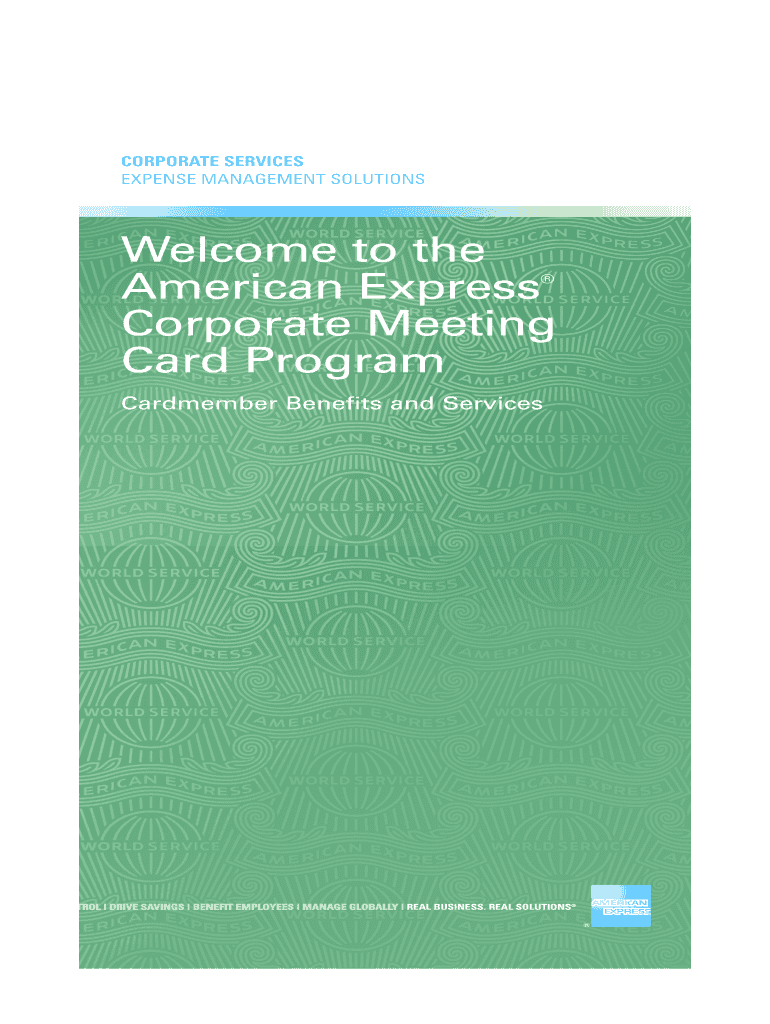
The document titled "Control Drive Savings Benefit Employees Manage Globally Real Business" likely refers to a strategic approach or framework within businesses aimed at optimizing control over operations, driving cost savings, and managing employee benefits on a global scale. This type of methodology is crucial for real businesses looking to enhance operational efficiency, reduce costs, and effectively manage their workforce across different geographical locations. By focusing on control and savings, businesses can ensure sustainable growth and maintain a competitive edge in the global market.
Key Elements of the Framework
Several core elements define this framework, providing a structured approach to managing business operations:
-
Control Mechanisms: Implementing standardized procedures to maintain oversight on various business functions.
-
Cost Savings Strategies: Identifying areas where expenses can be minimized without compromising quality or efficiency.
-
Employee Benefit Management: Offering competitive benefits to retain talent, considering local laws and customs across regions.
-
Global Business Strategies: Adapting operations to fit various international markets, ensuring compliance with local regulations.
These elements form the foundation for businesses aiming to apply this method effectively.
Steps to Implement the Framework
Implementing this strategy involves several clear steps to ensure successful adoption:
-
Assess Current Operations: Analyze existing processes to identify areas for improvement in control and cost savings.
-
Develop a Strategic Plan: Create a comprehensive plan that outlines specific goals, objectives, and the methods to achieve them.
-
Implement Control Systems: Deploy control systems that include checks and balances for all key processes.
-
Optimize Employee Benefits: Reevaluate existing employee benefits to ensure they are competitive and aligned with market standards.
-
Monitor and Adjust: Continuously monitor progress and make necessary adjustments to stay aligned with strategic objectives.
Benefits for Employees and Businesses
Implementing this framework offers numerous advantages for both employees and the business:
-
For Employees: Improved benefits packages, greater job satisfaction, and enhanced work environments due to better resource allocation.
-
For Businesses: Increased profitability through cost savings, improved employee retention rates, and better alignment with global market demands.
These benefits underscore the importance of adopting such a strategy within an organization.
Examples of Application
Consider the following real-world scenarios where this framework can be applied:
-
Multinational Corporations: Implementing a unified control and savings strategy across all offices to ensure consistency and harmony in international operations.
-
Remote Workforce Management: Utilizing digital tools to manage remote employees effectively, ensuring productivity and satisfaction without inflating costs.
These examples highlight the versatility and global applicability of this approach.
Important Terms and Their Relevance
Several terms are central to understanding the framework:
-
Compliance: Adhering to local and international regulations.
-
Benchmarking: Comparing business processes and performance metrics to industry standards.
-
Scalability: The ability to efficiently grow and manage operations as the business expands.
Grasping these terms aids in better implementation and understanding of the broader strategy.
Software Compatibility and Tools
Various software tools facilitate the implementation of this framework, ensuring compatibility and integration with existing systems:
-
Expense Management Platforms: Tools like QuickBooks and SAP Concur for tracking and optimizing spending.
-
Human Resource Management Systems (HRMS): For managing employee benefits and global workforce data efficiently.
Choosing the right software is crucial for seamless execution and coordination.
Business Types That Benefit Most
Certain business types stand to gain the most from this comprehensive approach:
-
Global Enterprises: Large corporations with operations in multiple countries.
-
Startups: Small businesses looking to scale efficiently and sustainably.
These business types will find the framework particularly valuable for managing growth and expansion effectively.
Digital vs. Paper Versions
Adopting digital versions of relevant documents offers various advantages over traditional paper forms:
-
Efficiency: Faster processing and easier access for global teams.
-
Security: Enhanced protections for sensitive employee and business data.
Implementing digital solutions aligns with the framework's focus on control and efficiency.