Definition and Meaning of Pelvic Exam Documentation Sample
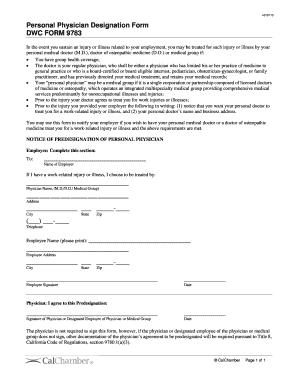
A pelvic exam documentation sample is a crucial tool in the medical field, specifically within gynecology. It is a standardized form used by healthcare professionals to record the details of a pelvic examination accurately. This documentation ensures that all aspects of the examination, including patient history, observed conditions, and follow-up actions, are systematically captured. By using a structured format, such forms help maintain consistency in medical records, which is indispensable for patient care and legal compliance. Typically, this form includes sections for documenting patient demographics, clinical findings, and healthcare providers' notes, thus facilitating effective communication among medical staff.
How to Use the Pelvic Exam Documentation Sample
Using a pelvic exam documentation sample requires adherence to a systematic approach to capture all necessary information accurately. First, ensure that the patient's personal information, such as name, age, and medical ID, is filled in correctly. This step is crucial for maintaining patient confidentiality and ensuring precise record-keeping. During the examination, the healthcare provider should diligently document clinical observations in the designated sections of the form. Important details include the patient's symptoms, the results of the physical examination, and any tests administered. These entries must be clear and concise to provide valuable insights for future medical references. It's essential for practitioners to regularly review and update these forms to reflect any changes in the patient's condition or treatment plan.
Key Elements of the Pelvic Exam Documentation Sample
The pelvic exam documentation sample contains several critical components that ensure thorough and accurate recording of an examination. This includes:
- Patient History: Documentation of the patient's medical history, including previous illnesses, surgeries, and any current medications.
- Symptoms and Observations: Detailed notes on any symptoms reported by the patient, along with clinical observations made during the exam.
- Examination Findings: Precise recording of the results from the physical examination, highlighting any unusual findings or areas of concern.
- Follow-up Recommendations: Suggested follow-up actions or additional tests required based on the examination results.
Each section plays a vital role in delivering comprehensive patient care and aiding the decision-making process.
Steps to Complete the Pelvic Exam Documentation Sample
- Patient Information Collection: Start by entering the patient's personal details, including contact information and medical ID.
- Historical Data Entry: Record the patient's medical history, recent symptoms, and any relevant family health history.
- Conduct the Examination: Complete the pelvic examination as per standard medical protocols.
- Document Findings: Note the clinical findings and record any abnormalities or diagnostic observations on the form.
- Include Recommendations: Provide insights on potential treatments, required follow-up visits, or additional testing.
- Review and Update: After the initial documentation, periodically review and update any new findings or patient information.
While addressing each step, ensure accuracy and coherency to maintain the form's utility and compliance with medical standards.
Legal Use of the Pelvic Exam Documentation Sample
The legal use of the pelvic exam documentation sample involves several compliance and ethical considerations. Healthcare facilities must adhere to privacy laws, such as the Health Insurance Portability and Accountability Act (HIPAA), which protects patient information. It is vital to secure all documentation forms to prevent unauthorized access. Only authorized medical personnel should handle these records, and any sharing or dissemination of information must be carried out with the patient's consent. Another legal aspect is ensuring the accuracy of the documented information, as this can be used in legal settings to verify medical actions taken. Each entry must reflect the true account of the patient's condition and the care provided.
State-Specific Rules for the Pelvic Exam Documentation Sample
While the core elements of a pelvic exam documentation sample are consistent nationwide, specific states may have additional rules or variations. State-specific guidelines often reflect broader public health policies or unique regulatory requirements. Some states mandate additional reporting on particular health indicators or include additional fields in documentation to address prevalent state health issues. Healthcare providers must stay informed of these nuances to ensure compliance with state regulations. Regular training sessions and updates on state-specific changes can equip healthcare practitioners to handle such documentation accurately.
Examples of Using the Pelvic Exam Documentation Sample
Using the pelvic exam documentation sample effectively can be illustrated through various scenarios. For instance, during a routine wellness exam, a gynecologist uses the form to record normal findings and any patient-reported discomfort or symptoms. In another case, if a patient presents with abnormal bleeding, the form could be used to detail the step-by-step diagnostic procedures undertaken, including tests like ultrasounds or pap smears. These examples illustrate the form's flexibility in capturing detailed medical narratives and guiding appropriate patient care interventions.
Versions or Alternatives to the Pelvic Exam Documentation Sample
There are multiple versions or alternatives to the pelvic exam documentation sample, varying based on healthcare institution preferences or specific medical objectives. Some variations might include digital formats that integrate with electronic health record systems for seamless patient data management. Alternatively, specialized forms may cater to particular examination types, such as initial consultation forms or follow-up visit documentation. These alternatives reflect the diverse requirements of patient care and help in tailoring documentation to the specific needs of healthcare providers.