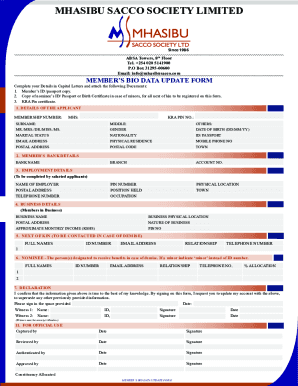
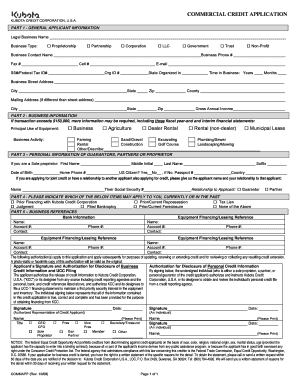
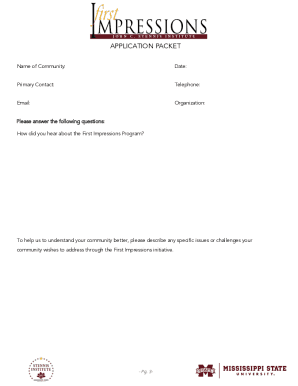
Definition and Meaning of Refund Application
A Refund Application is a document used to request a refund for services or fees from a company or institution. It outlines the process and requirements necessary for a refund, including the need for complete information and supporting documentation. In the context of TuGo Travel Insurance, the application is used to claim refunds under specific conditions detailed in the policy.
Purpose and Use
The primary function of a Refund Application is to initiate the refund process for charges or payments deemed refundable. This typically involves customers or clients who believe they are eligible for a refund based on service terms or a change in their circumstances. The application serves as an official request for restitution, ensuring all parties involved understand the necessary steps and documentation required to proceed.
How to Obtain the Refund Application
To obtain a Refund Application for TuGo Travel Insurance or similar services, users can access it from the issuing company's website. For instance, DocHub provides a platform to easily download, fill out, and submit such forms digitally, thus streamlining the process and reducing the need for physical paperwork.
Accessibility Options
DocHub allows users to import the Refund Application form from various sources:
- Direct download from the issuing company's website.
- Importation from cloud storage services like Google Drive, Dropbox, or OneDrive.
- Direct access and editing within an integrated platform, negating the need for additional software.
Steps to Complete the Refund Application
Filing a Refund Application successfully requires careful attention to detail to avoid delays.
-
Review Eligibility Requirements: Confirm that you are eligible for a refund according to the service provider's policies. This information is usually contained within the service agreement or policy documentation.
-
Gather Necessary Information: Collect all relevant information pertinent to the refund request, such as account details, transaction IDs, and service dates.
-
Complete Personal Details Section: Provide accurate personal information, including your name, address, and contact details as requested in the form.
-
Specify Refund Request Details: Clearly outline the refund request's purpose, including specifics like the purchased service, applicable charges, and reasons justifying the refund.
-
Attach Supporting Documents: Substantiate your request with pertinent documents that could include receipts, agreements, or authorization forms.
-
Check for Completeness: Before submission, ensure all fields are accurately filled out and no essential documentation is missing.
Key Elements of the Refund Application
The Refund Application generally comprises several critical sections:
-
Personal and Account Details: Capture information that verifies the applicant's identity and links them to the transaction.
-
Details of Purchase or Service: Document the specifics of the transaction, including dates, costs, and any services rendered.
-
Reason for Refund Request: This is a justification section where the applicant explains why a refund is warranted.
-
Declarations: Ensure the applicant acknowledges the information's accuracy and agrees to the terms and conditions of the refund process.
Legal Use of the Refund Application
Refund Applications, like those used for TuGo Travel Insurance, are bound by specific legal standards and guidelines. Adherence to these principles ensures the process is fair and lawful.
Compliance and Confidentiality
Applicants must ensure their request and accompanying documents comply with relevant privacy laws and company policies. This involves safeguarding personal information and consenting to data use and sharing policies, typically stipulated in the refund form's fine print.
Required Documents for Refund Application
Documentation is crucial in supporting the validity of a Refund Application. Typical requirements include:
- Transaction Receipts: Evidence of the original purchase or payment.
- Service Contracts: Any agreements or policy wording that supports eligibility for a refund.
- Communication Records: Email exchanges or formal notices that substantiate the refund claim.
Form Submission Methods
Submitting a Refund Application can generally be done in multiple ways:
-
Online Submissions: Digital platforms like DocHub offer seamless integration for filling out and sending forms instantly via the web.
-
Mail-in Options: Some companies still accept physical submissions, requiring forms to be printed, completed, and mailed back.
-
In-Person Drop-off: Certain institutions may have offices where forms can be physically dropped off for processing.
Online Benefits
Utilizing platforms such as DocHub enhances the submission process by providing:
- Immediate confirmation of receipt.
- Reduction in processing times.
- Efficient tracking and management of form status.
Application Process and Approval Time
The application process from submission to approval can vary based on the company's policies.
-
Form Review: Typically involves initial validation of application completeness and correctness.
-
Processing Time: Depending on complexity and workload, processing can take several days to weeks.
-
Decision Notification: Applicants will receive notice of the outcome, whether approval, denial, or need for further information.
Factors Influencing Timelines
- Completeness of Application: Errors or omissions can delay processing.
- Volume of Requests: Busy periods may extend approval times.
Ensuring thorough and accurate completion of the Refund Application form can help expedite the refund process significantly.