Definition and Purpose of the Medication Clarification Order - APD
The Medication Clarification Order - APD is a technical document used primarily within healthcare settings to ensure the precise administration of prescribed medications. This form serves as a medium for healthcare professionals, particularly physicians, to verify and specify the administration details of medications stated on a pharmacy label. The overarching goal is to provide clarity and prevent misinterpretation, which is crucial for patient safety and compliance.
- Verification: The form assists in double-checking the dosage, frequency, and method of delivery prescribed to a patient.
- Communication: Facilitates clear communication between prescribers, pharmacists, and other healthcare providers, reducing potential medication errors.
- Documentation: Serves as an official record in the patient’s medical history, providing details on any confirmations or changes to the original prescription.
Steps to Complete the Medication Clarification Order - APD
Completing the Medication Clarification Order - APD involves precise attention to detail and a systematic approach:
- Review Pharmacy Label: Begin by thoroughly examining the prescribed medication’s label attached by the pharmacy.
- Complete Physician Details: Enter the physician’s information, including their name, contact details, and medical license number.
- Confirmation Statements: Physicians must confirm or clarify specific details such as dosage quantities, administration times, and any special instructions.
- Answer Specific Queries: Address any additional questions pertaining to the medication that require clarification.
- Sign and Date: The form is finalized with the physician's signature and date, ensuring legal validity.
- It is recommended to retain a copy of the completed form for record-keeping and future reference.
How to Obtain the Medication Clarification Order - APD
Obtaining the Medication Clarification Order - APD can be streamlined through several methods:
- Healthcare Facility Access: Available through hospitals, clinics, and other medical facilities; most commonly in their administrative or pharmacy departments.
- Electronic Systems: Many institutions offer digital versions of the form within their electronic health record systems.
- From Physicians: Directly obtain a copy from the prescribing physician, who may provide it together with the prescription.
The versatility in accessing the form ensures that it is readily available whenever a prescription clarification is necessary, thus promoting optimal healthcare delivery.
Who Typically Uses the Medication Clarification Order - APD
The Medication Clarification Order - APD is used by several key stakeholders within the healthcare continuum:
- Physicians: Serve as the primary users, filling out the form to ensure clarity and accuracy in their prescriptions.
- Pharmacists: Utilize the completed form to reconcile prescriptions and ensure that dispensed medications align with the physician's instructions.
- Healthcare Administrators: Involved in managing documentation and ensuring that all records are properly maintained in the patient’s chart.
This form is pivotal for any professional involved in the medication management process, ensuring a seamless transition from prescription to dispensation.

Key Elements of the Medication Clarification Order - APD
Critical elements incorporated in the Medication Clarification Order - APD include:
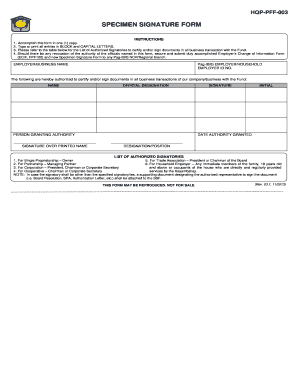
- Physician Information: Name, contact details, and license number to verify the form's authenticity.
- Medication Details: Comprehensive sections to confirm or clarify the prescribed medication, including dosage and frequency.
- Signature Field: Area for the physician to sign, validating that the information is accurate and legally binding.
- Responses: Sections designated for answering specific medication-related queries, which may vary depending on the medication in question.
Each element is essential to ensure the clarity and efficacy of the form, fostering accurate and safe medication use.
Legal Use of the Medication Clarification Order - APD
The legal implications of the Medication Clarification Order - APD are significant:
- Compliance: Ensures adherence to healthcare regulations in terms of accurate medication administration.
- Liability Protection: Safeguards healthcare providers by officially documenting any clarifications or modifications made to prescriptions.
- Patient Safety: Legally reinforces the need for precise medication instructions, directly impacting patient outcomes.
Understanding the legal framework surrounding this form is important for healthcare professionals to mitigate risk and maintain compliance.
State-Specific Rules for the Medication Clarification Order - APD
While the Medication Clarification Order - APD is generally used uniformly across the United States, there may be state-specific variations:
- Regulatory Differences: States may have distinct regulations regarding the documentation and clarification of prescriptions.
- Form Variants: Certain states might have additional requirements or supplementary forms to accompany the primary order.
Staying informed about state-specific compliance requirements is crucial for healthcare providers who practice in different jurisdictions.
Examples of Using the Medication Clarification Order - APD in Practice
Healthcare professionals may encounter scenarios where this form is pivotal:
- Complex Prescriptions: Used when medications have unconventional dosing or administration protocols that require further clarification.
- Patient-Specific Adjustments: In cases where standard pharmacy labels do not accommodate personalized adjustments prescribed by a physician.
- Interdisciplinary Collaboration: Facilitates communication among different healthcare team members who play a role in a patient’s care, ensuring everyone is aligning with verified instructions.
Utilizing this form in everyday practice helps ensure that patient care is both efficient and effective.