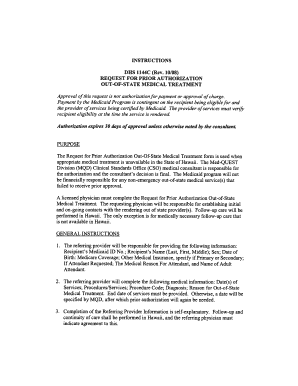
Verifica e corrispondenza tra il codice fiscale e i dati anagrafici di una 2026

Get Form
Verifica e corrispondenza tra il codice fiscale e i dati anagrafici di una Preview on Page 1

Here's how it works

01. Edit your form online
Type text, add images, blackout confidential details, add comments, highlights and more.

02. Sign it in a few clicks
Draw your signature, type it, upload its image, or use your mobile device as a signature pad.

03. Share your form with others
Send it via email, link, or fax. You can also download it, export it or print it out.

Definition and Significance of "Verifica e Corrispondenza tra il Codice Fiscale e i Dati Anagrafici di una"

The "Verifica e Corrispondenza tra il Codice Fiscale e i Dati Anagrafici di una" is a critical tool used to verify and ensure consistency between a person's fiscal code and their personal information. In Italy, the codice fiscale is a tax code similar to the Social Security Number in the United States, used to track individuals and their fiscal obligations. It serves not only as a tax identifier but as an essential part of personal identification for a variety of administrative tasks, such as registering for healthcare or opening a bank account.

How to Use the Verification Process

Using the verification process involves checking whether the provided personal data aligns accurately with the assigned fiscal code. This can be done through online platforms that offer real-time validation services. The process requires:

  1. Inputting the individual's full name, date, and place of birth into the system.
  2. Entering the codice fiscale for comparison.

These steps ensure the data stored in governmental databases matches the individual's transactional data, helping prevent issues like fraud or mistaken identity.

Steps to Complete the Verification Form

The process of completing the verification form is straightforward but requires attention to detail:

  1. Gather Required Information: Collect all necessary personal information, including full name, birth date, place of birth, and the codice fiscale.
  2. Access the Verification Tool: Use an accredited platform, such as the Italian Revenue Agency's website or approved third-party applications, to start the verification.
  3. Enter Details: Input all gathered information accurately into the designated fields.
  4. Submit for Verification: Once all data is entered, submit the form. The system will check for discrepancies between the personal data and fiscal code.
  5. Review Results: If inconsistencies are found, verify the data entered and correct any errors before resubmitting.

Relevance and Importance of the Verification Process

The verification of personal data against the codice fiscale is vital, especially in banking, taxation, and public health sectors. Ensuring that information is correct:

  • Prevents identity theft and fraud.
  • Facilitates smooth processing of transactions that depend on accurate identification.
  • Complies with legal requirements and avoids penalties.

Key Elements of the Verification Process

Verification involves several crucial elements:

  • Data Accuracy: Ensures all personal data matches the official records.
  • Compliance Tracking: Helps organizations track compliance with tax regulations.
  • Fraud Detection: Identifies potential fraudulent activities by verifying identity credentials.
  • Privacy Regulation Adherence: Maintains compliance with Italian and EU privacy laws, ensuring data protection.

Eligibility Criteria for Verification

The process is primarily used by:

  • Italian Citizens: To validate personal data for various administrative purposes.
  • Foreign Residents: Registered in Italy who have been issued a codice fiscale.
  • Businesses: Needing to verify employee or contractor details for compliance purposes.
decoration image ratings of Dochub

Legal Use Cases and Implications

The legal framework surrounding the use of fiscal code verification involves ensuring regulatory compliance:

  • It aids in fulfilling legal obligations related to taxes and transactions.
  • It is used to verify identities during real estate purchases, tax filings, and health insurance claims.
  • Breaches or inaccuracies can result in financial penalties and legal proceedings under Italian law.

Examples of Verification in Practice

Various real-world scenarios highlight the form's application:

  • Healthcare Registration: Verifying patient identities to enroll in public healthcare systems.
  • Bank Account Opening: Financial institutions require verification to ensure legal compliance.
  • Employment: Employers use verification to validate employee credentials for lawful onboarding.

Differences Between Digital and Paper Version

The digital version of the form offers significant advantages over the paper form:

  • Efficiency and Speed: Instant verification compared to the days it may take with paper processing.
  • Accessibility: Accessible 24/7 online, eliminating the need for physical visits.
  • Accuracy: Reduces human errors associated with manual entries and postal delays.

State-by-State Rules and Variations

While primarily governed at the national level, implementation can vary slightly by region due to administrative standards or supplemental local regulations. Understanding these regional nuances is crucial when dealing with local entities.

Quick Facts on Verification

  • A mandatory process for legal and financial transactions.
  • Often integrated into broader identity verification protocols.
  • Essential for accessing government services or benefits in Italy.

See more Verifica e corrispondenza tra il codice fiscale e i dati anagrafici di una versions

We've got more versions of the Verifica e corrispondenza tra il codice fiscale e i dati anagrafici di una form. Select the right Verifica e corrispondenza tra il codice fiscale e i dati anagrafici di una version from the list and start editing it straight away!
Versions Form popularity Fillable & printable
2012 4 Satisfied (28 Votes)
2010 4.8 Satisfied (49 Votes)
be ready to get more

Complete this form in 5 minutes or less

Get form

Got questions?

We have answers to the most popular questions from our customers. If you can't find an answer to your question, please contact us.
Contact us
Sulla pagina Verifica CF possibile eseguire la verifica sulla validit e la corrispondenza tra un codice fiscale e la denominazione di un soggetto diverso da persona fisica, attraverso il collegamento con lAnagrafica Tributaria.
dati anagrafici, codice fiscale e/o partita IVA, indirizzo, numero di telefono; indicazione delle generalit dellintestatario del certificato (nome, cognome, luogo e data di nascita, per i certificati di matrimonio, luogo e data del matrimonio e dati coniuge e per i certificati di morte, luogo e data della morte).
Attraverso il sito dellAgenzia delle Entrate possibile verificare la correttezza formale di un Codice Fiscale e la corrispondenza tra il Codice Fiscale e i dati anagrafici della persona. Il servizio viene fornito gratuitamente.
Nello specifico, i dati anagrafici sono: nome, cognome, data di nascita, codice fiscale e indirizzo di residenza. In aggiunta a questi dati, vanno affiancate ulteriori informazioni anagrafiche, conservate presso i registri civili: dati relativi al matrimonio, allanagrafica di famiglia e al decesso di un soggetto.
Il messaggio di errore Codice fiscale di persona fisica non valido indica che in fase di compilazione pratica lutente ha inserito, per una o pi persone fisiche, dei dati anagrafici non corrispondenti al codice fiscale (lerrore potrebbe essere nel codice fiscale o nel nome, cognome, etc.).

Security and compliance

At DocHub, your data security is our priority. We follow HIPAA, SOC2, GDPR, and other standards, so you can work on your documents with confidence.
Learn more
ccpa2
pci-dss
gdpr-compliance
hipaa
soc-compliance
be ready to get more

Complete this form in 5 minutes or less

Get form

People also ask

Residenza anagrafica e fiscale: le differenze La residenza anagrafica definita basandosi sul luogo in cui il soggetto risiede ed iscritto ai registri anagrafici, mentre la residenza fiscale legata alle leggi fiscali di ogni Paese e considera i giorni trascorsi in una determinata nazione durante un anno fiscale.
i dati anagrafici, tra cui il domicilio fiscale e lufficio dellAgenzia competente in base al domicilio. le dichiarazioni fiscali (le dichiarazioni dei redditi presentate, le certificazioni uniche e le scelte per la destinazione del 2, 5 e 8 per mille) i rimborsi. i versamenti che hai effettuato.
Le prime sette cifre rappresentano il numero di matricola del soggetto; le cifre dallottava alla decima identificano lufficio che attribuisce il numero di codice fiscale provvisorio e lundicesima il carattere di controllo, che viene determinato con le modalit di cui allart. 9.

Related links