01. Edit your form online
Type text, add images, blackout confidential details, add comments, highlights and more.

Type text, add images, blackout confidential details, add comments, highlights and more.

Draw your signature, type it, upload its image, or use your mobile device as a signature pad.

Send it via email, link, or fax. You can also download it, export it or print it out.
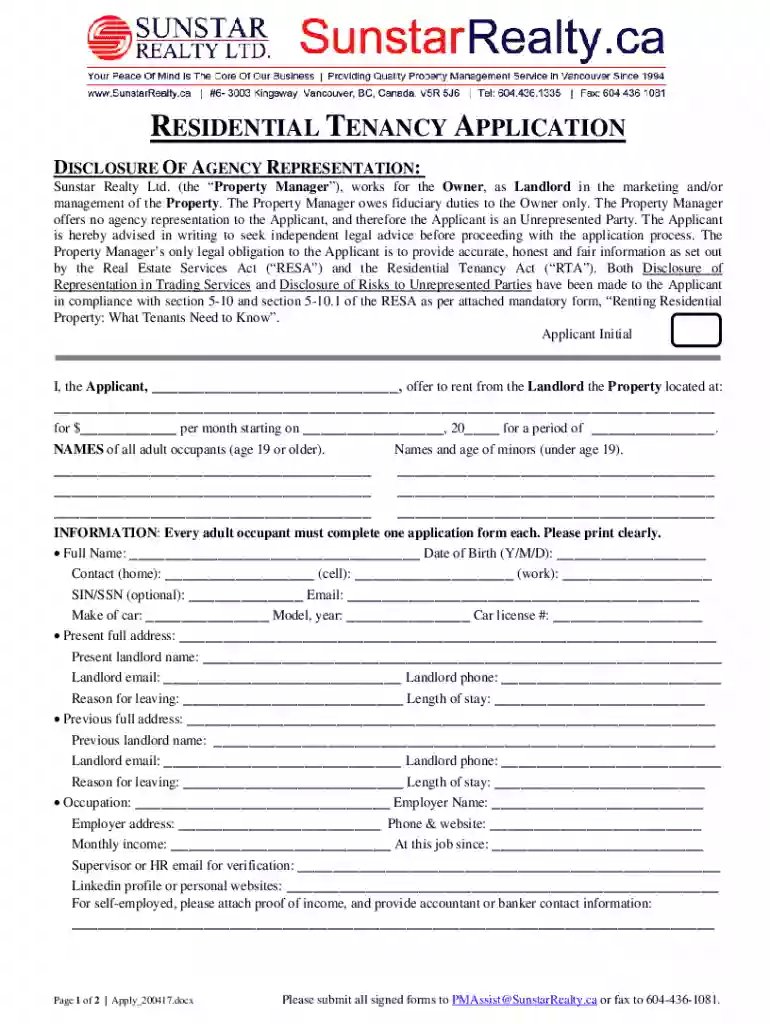
A Residential Tenancy Application is a formal process initiated by prospective tenants to apply for a rental property. This application serves as an essential document that collects comprehensive information about the applicant, which helps landlords evaluate their suitability as tenants. It often includes personal details, employment information, rental history, and consent for background and credit checks. By standardizing this information, landlords can make informed decisions about tenant selection, ensuring that the chosen applicant meets the property's specific requirements and standards.
To effectively use a Residential Tenancy Application form, it's crucial to fill out all sections accurately and comprehensively. Start by entering your personal information, such as your full name, contact details, and identification number. Proceed with adding your employment and income details, as these help demonstrate your ability to pay rent consistently. When you reach the rental history section, include contact information for previous landlords, allowing the current landlord to verify your background as a tenant. Signing the consent for background checks is also mandatory, as it permits the landlord to perform necessary vetting processes.
Once the application is filled out, it's advisable to double-check all information for accuracy. Submit the form as outlined by the landlord or property management company, which could be through email, an online portal, or in-person delivery. Ensuring all required documents accompany the application, such as proof of income or identification, is essential for processing.
Residential Tenancy Application forms can typically be obtained directly from landlords, property management companies, or their websites. Many agencies provide downloadable forms online, which can be printed or filled out electronically. In some cases, potential tenants may visit the rental office to pick up a physical copy. When obtaining the form, it's beneficial to confirm any additional documentation that might be needed and any specific instructions related to its submission.
Gather Required Information: Collect personal, employment, and previous rental details before starting the application.
Fill Out Personal Information: Enter your full name, social security number, and current contact details.
List Employment Details: Provide your current employer's name, contact information, your position, and monthly income.
Provide Rental History: Include addresses of previous residences and landlord contact information for reference checks.
Sign Consent Forms: Authorize credit and background checks to facilitate the landlord's approval process.
Review and Submit: Ensure all information is accurate and include any required attachments before submission.
The Residential Tenancy Application is vital because it forms the foundation of the tenant selection process. It allows landlords to perform due diligence by evaluating potential tenants' creditworthiness, reliability, and rental history. By providing detailed and accurate information, applicants can demonstrate their responsibility and suitability for tenancy, significantly increasing their chances of securing the desired property.
The primary users of the Residential Tenancy Application are individuals seeking to rent residential properties, which include apartments, houses, or condos. Landlords and property management companies also utilize this form to vet applicants and ensure they select reliable tenants. Additionally, real estate agents may use these applications to facilitate the rental process between landlords and new tenants.
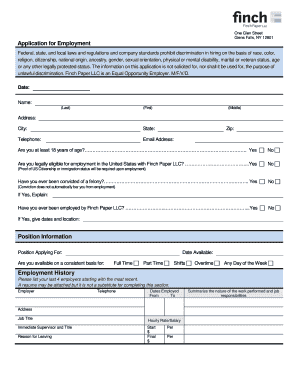
Personal Information: Full name, contact details, and identification numbers
Employment Details: Employer information, position, and income verification
Rental History: Addresses and contact information for previous landlords
Consent for Credit Check: Permission granted by the applicant for background checking
References: Personal or professional references that can vouch for the applicant's character
Each of these elements allows landlords to gain a comprehensive understanding of an applicant's financial stability and rental behavior, contributing to a more informed decision-making process.
Legally, the Residential Tenancy Application must comply with both federal laws like the Fair Housing Act, which prohibits discriminatory practices, and state-specific regulations that govern rental agreements. Applicants' privacy must be safeguarded, particularly regarding personal and financial data collected during the application process. Landlords are required to keep this information confidential and use it solely for the purposes of tenant assessment.
State-specific regulations can influence various aspects of the Residential Tenancy Application. For instance, some states have limitations on the type of information that can be requested or dictate particular guidelines regarding holding deposits and application fees. Understanding these nuances is essential for both landlords and tenants to ensure compliance with local laws and avoid potential disputes. Applicants are advised to familiarize themselves with the specific requirements in their state to ensure their application process is conducted legally and smoothly.
We've got more versions of the Residential Tenancy Application form. Select the right Residential Tenancy Application version from the list and start editing it straight away!
At DocHub, your data security is our priority. We follow HIPAA, SOC2, GDPR, and other standards, so you can work on your documents with confidence.