






Definition and Purpose of the State Representative Jimmy Matlock Presentation
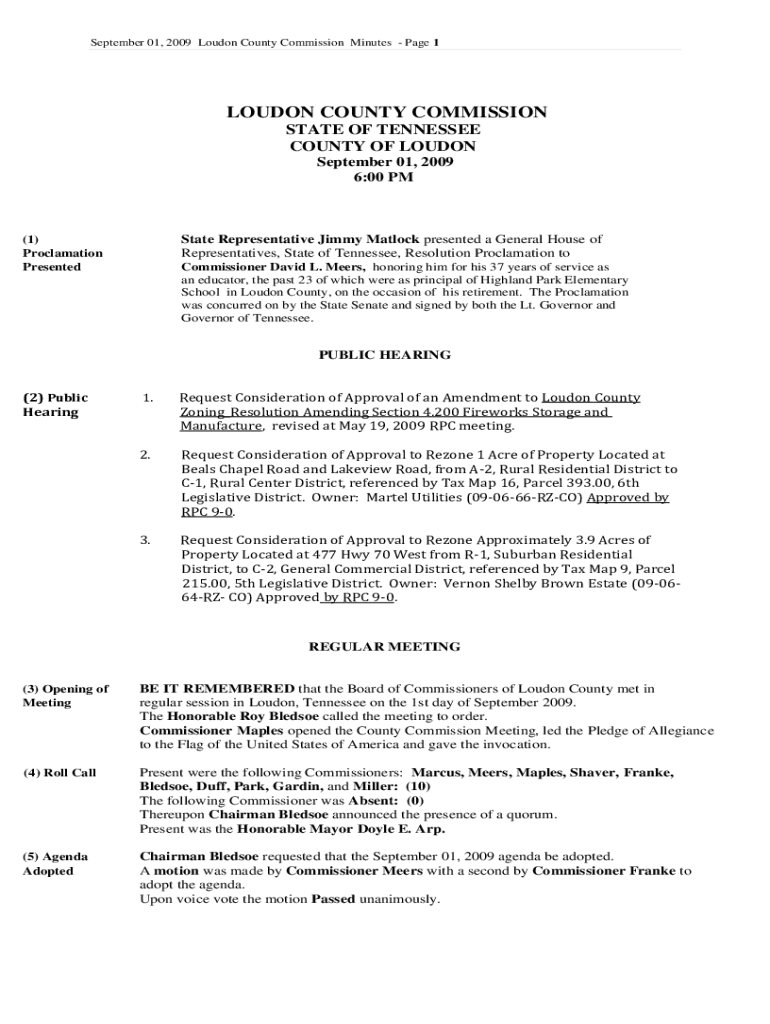
The phrase "State Representative Jimmy Matlock presented a General House of" is likely referring to a legislative act, report, or another formal document crafted within a particular jurisdiction's House of Representatives. This presentation could involve the introduction of new legislation, amendments to existing laws, or policy initiatives. The purpose of such presentations is typically to propose, discuss, and garner support for legislative actions that intend to serve the interests of constituents or address specific state issues.
Key Elements of the Presentation
-
Introduction of Legislation: The core of such a presentation often involves introducing a new bill or legislative proposal. This would include the bill’s objectives, the legal and social issues it aims to address, and the anticipated impacts on the state’s populace.
-
Amendments to Existing Laws: Representative Matlock's presentation may highlight necessary amendments to current legislation, aiming to refine, clarify, or enhance existing legal frameworks.
-
Public Policy Initiatives: These presentations can also be focused on outlining public policy strategies designed to improve state governance, resource allocation, or community services.
-
Supporting Data and Research: Evidence-based presentations often include statistical analyses, expert testimonies, or case studies that reinforce the proposed action’s rationale and expected benefits.
Importance and Impact of Legislative Presentations
Legislative Advocacy
Such presentations are a core function of state legislatures, promoting advocacy for new or amended laws that reflect contemporary societal needs.
Public Engagement
By presenting initiatives publicly, representatives like Jimmy Matlock encourage civic engagement and transparency, allowing citizens to understand, engage with, and influence the legislative process.
Policy Development
The structured presentation of policy considerations fosters dialogue among lawmakers, stakeholders, and the public, facilitating informed debate and consensus-building.
Steps to Prepare a Legislative Presentation
-
Research and Drafting: Conduct thorough research on the issues, draft the proposed legislation, and outline key points for the presentation.
-
Stakeholder Consultation: Engage with relevant stakeholders, including legal experts, community leaders, and interest groups, for diverse perspectives and support.
-
Revisions and Approvals: Refine the draft based on feedback, and seek necessary approvals from legislative committees or leadership as required.
-
Formal Presentation: Prepare a formal presentation with visual aids or handouts if necessary, and rehearse to ensure clarity and effectiveness.
-
Follow-Up: Gather feedback post-presentation, addressing questions or concerns, and adapt the proposal based on additional insights gained.
Who Typically Utilizes Legislative Presentations?
Lawmakers
State representatives and senators frequently use these presentations to introduce and advocate for legislation.
Policy Analysts
These individuals contribute to crafting and improving the technical and strategic aspects of legislative proposals.
Public and Interest Groups
They engage with and respond to legislative presentations to express support or opposition, influencing the legislative process.
Examples and Case Studies of Legislative Presentations
Zoning Amendments and Budget Discussions
Referencing the Loudon County Commission meeting example, legislative presentations might involve zoning amendments that require public hearings, which are crucial for urban planning and community development.
Educational Reforms
A presentation might propose initiatives for educational reforms, aiming to address current deficits in state education systems or allocate funding for school improvement projects.
State-Specific Rules and Differences
Legislative presentations can vary widely from state to state, following particular procedural rules and conventions. Representative Matlock's initiatives would be aligned with Tennessee's legislative processes, illustrating how regional laws and requirements define the structure and scope of such presentations.
Importance of Understanding Legal Use
Engagement with legislative presentations is essential for constituents and lawmakers alike. Understanding their composition and objectives allows stakeholders to make informed decisions and engage constructively in the legislative process, promoting effective governance and legislative outcomes.