






Definition and Meaning of Revocable Living Trusts
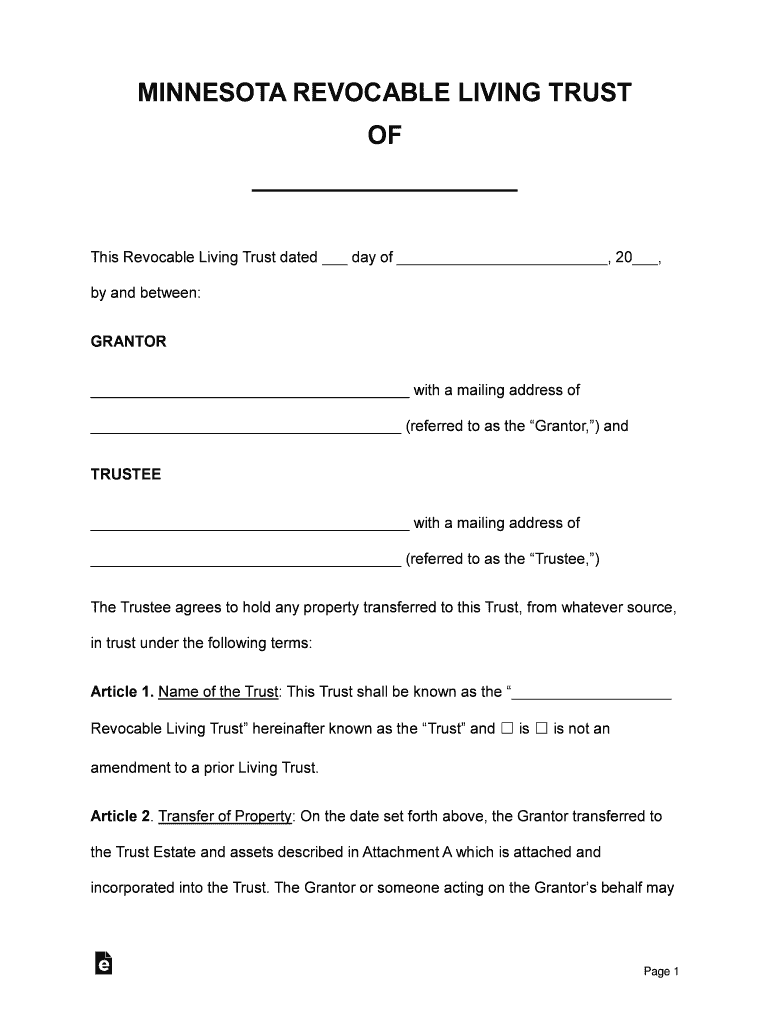
A revocable living trust is a legal document that allows an individual, known as the Grantor, to dictate how their assets will be managed during their lifetime and distributed after their death. This type of trust is "revocable," meaning it can be altered or revoked by the Grantor at any time, as long as the Grantor is competent. It is designed to provide flexibility, allowing changes to be made in response to life events and shifts in financial status.
Key Features of Revocable Living Trusts
- Management of Assets: The trust provides a structured approach to asset management during the Grantor's lifetime, outlining specific roles and responsibilities for trustees.
- Avoidance of Probate: Assets included in a revocable living trust are typically exempt from the probate process, allowing for a faster and more private distribution to beneficiaries.
- Control Flexibility: The Grantor retains control over the trust’s assets as long as they are alive and mentally capable of making decisions.
Important Terms Related to Revocable Living Trusts
Understanding specific terminology is essential when dealing with revocable living trusts. The roles defined within the trust document play crucial parts in its administration and execution.
Core Terminology
- Grantor: The person who creates the trust and transfers assets into it. They maintain control over the trust during their lifetime.
- Trustee: The individual or institution responsible for managing trust assets. The Grantor can act as the initial trustee.
- Beneficiary: The person or organization designated to receive the assets from the trust after the Grantor's death.
How to Use Revocable Living Trusts
Utilizing a revocable living trust effectively requires a thorough understanding of its setup and management.
Steps to Use the Trust
- Establishment: Create the trust document while ensuring it is legally compliant with state laws.
- Asset Transfer: Fund the trust by transferring ownership of relevant assets into it.
- Management: Administer the trust in accordance with the Grantor’s wishes, with the trustee managing assets and distributions as needed.
- Amendments and Revocations: Modify the trust as necessary, based on changes in the Grantor’s intentions or financial circumstances.
Legal Use of Revocable Living Trusts
A revocable living trust can offer substantial benefits, particularly in a legal context, by clearly defining the management and distribution of assets.
Legal Benefits
- Privacy Preservation: Since the trust doesn’t go through probate, the details remain private, unlike a will that becomes public record.
- Smooth Transition: Provides a clear directive for trustees, which minimizes disputes among beneficiaries and ensures a seamless transition of assets.
Steps to Complete a Revocable Living Trust
Completing a revocable living trust requires meticulous attention to ensure all elements are addressed accurately.
Detailed Procedure
- Consultation with Legal Experts: Seek advice from an attorney specializing in estate planning to ensure the trust meets all legal requirements.
- Drafting the Trust Document: Clearly outline the terms, including naming the trustees and beneficiaries.
- Notarization: Sign the document in the presence of a notary public to legitimize the trust.
- Registration and Funding: Register the trust (if required by state laws) and transfer assets into it to make it operative.
Who Typically Uses Revocable Living Trusts
Revocable living trusts are leveraged by a broad spectrum of individuals, particularly those seeking to streamline the management and distribution of their estates.
Common Users
- Families with Significant Assets: Individuals with substantial or complex assets often use these trusts to manage distribution while minimizing tax implications.
- Individuals Seeking Privacy: Persons who prefer to keep estate details private might opt for a trust to prevent public probate proceedings.
- Those Planning for Incapacity: Individuals who want to ensure their financial affairs are handled according to their wishes if they become incapacitated.


Key Elements of a Revocable Living Trust
The composition of a revocable living trust document includes several vital elements that detail its operation and management.
Structural Components
- Trust Purpose and Objectives: Clearly define what the trust is established to achieve.
- Asset Inventory: Lists assets included in the trust, providing clear guidance for trustees.
- Trust Terms: Set forth conditions under which the trust will operate, including how and when assets are to be distributed to beneficiaries.
State-Specific Rules for Revocable Living Trusts
Although revocable living trusts are governed primarily by federal law, certain state-specific regulations might influence their execution.
Variations Across States
- Registration Requirements: Some states require trusts to be registered, while others do not mandate such procedures.
- Tax Implications: State inheritance and estate taxes can vary, affecting the overall benefits and administration of the trust.
Examples of Using Revocable Living Trusts
Illustrative case studies elucidate how revocable living trusts can be effectively utilized in various scenarios.
Practical Scenarios
- Multi-Property Ownership: An individual with properties in multiple states might use a trust to manage these assets without engaging in multiple probate processes.
- Blended Families: A trust can ensure that children from prior marriages receive their intended inheritance, thereby minimizing potential familial conflicts.
By ensuring a thorough understanding of these topics, individuals can effectively leverage revocable living trusts for optimal estate planning and asset management.