
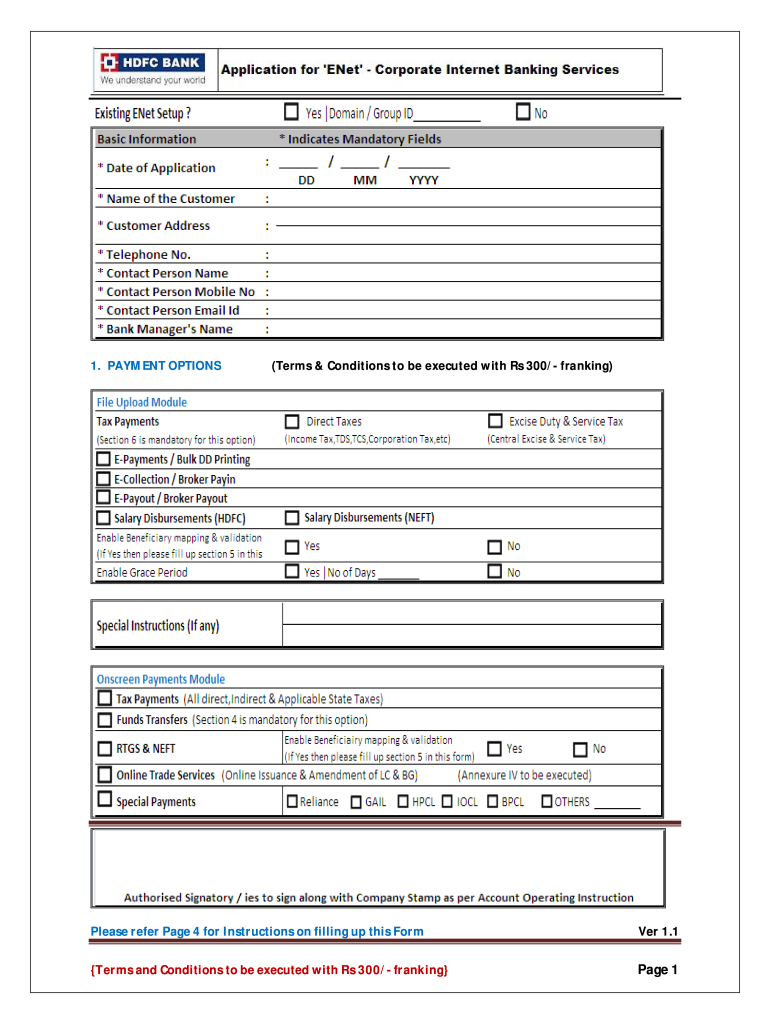







Definition and Meaning of RTGS Form
The Real-Time Gross Settlement (RTGS) form is a critical document used in banking transactions in the United States. RTGS allows for the immediate transfer of funds between banks, ensuring that transactions are completed in real-time. This form facilitates high-value transactions and is a secure method for transferring money, mainly used by businesses and financial institutions. Understanding the RTGS form's purpose helps users navigate their banking needs efficiently.
Essential Components of the RTGS Form
- Sender's Details: This section requires comprehensive information about the sender, including name, account number, and contact information.
- Beneficiary's Information: Users must provide the recipient's name, account number, and their bank's details.
- Transfer Amount: The exact amount to be transferred must be clearly stated, along with any applicable reference numbers or notes.
- Purpose of Transfer: Many banks require the purpose of the transaction, which could range from business expenses to loan repayments.
Understanding these components ensures accurate completion of the RTGS form and helps prevent delays in fund transfers.
How to Fill RTGS Form
Filling out the RTGS form accurately is essential for smooth transactions. Here are the steps to ensure that the form is completed correctly:
- Access the RTGS Form: Obtain the RTGS form, which is typically available on your bank's website or branch.
- Complete Sender's Information: Fill in the sender's name, account number, and contact number. Misentries here can lead to funds being misdirected.
- Enter Beneficiary Details: Input the recipient's name, account number, and the bank's information. Ensure that these details match exactly with what the beneficiary provided.
- Specify Transfer Amount: Clearly state the amount you intend to transfer, and confirm if any transaction fees apply.
- Explain Purpose: Include a brief explanation for the transfer. This may be reviewed by bank officials.
- Sign and Submit: After verifying all entries for accuracy, sign the form and submit it at your bank branch or through online banking.
Taking care to follow these steps minimizes the risk of errors that could delay transactions.
Important Notes on RTGS Form Filling
Be aware of the following points when filling out the RTGS form:
- Accuracy Is Crucial: Small mistakes, like a wrong account number, can lead to major issues in fund transfers. Double-check all details before submission.
- Bank Time Frames: RTGS transfers are generally processed immediately, but check with your bank for cut-off times.
- Charges: Different banks may impose varying fees for RTGS transfers. It’s advisable to inquire about these before proceeding with a transfer.
Awareness of these details contributes to a smoother transaction experience and helps avoid common pitfalls.
Examples of RTGS Form Usage in Transactions
Utilizing the RTGS form effectively can enhance transactional efficiency in various scenarios. Here are some examples:
- Business Transactions: A company may use an RTGS transfer to settle payments with suppliers for bulk orders, ensuring timely payment and maintaining supply chain efficiency.
- Real Estate Deals: Parties involved in real estate transactions can use RTGS to handle earnest money deposits or final payments at closing swiftly.
- Loan Repayments: Individuals or businesses may opt for RTGS to transfer large amounts as part of loan repayments, benefiting from the real-time transfer feature.
These examples showcase the versatility and necessity of the RTGS form in various financial dealings.
Legal and Compliance Considerations for RTGS Forms
When utilizing the RTGS form, compliance with legal requirements is essential to ensure that transactions remain valid and secure. Some important considerations include:
- Identity Verification: Banks require proper identification to process RTGS transfers, particularly for large amounts. This helps prevent fraud.
- Compliance With Regulatory Guidelines: Ensure that the transaction adheres to local and federal banking regulations, especially concerning money laundering and other financial crimes.
- Record Keeping: Maintain copies of your completed RTGS forms and transaction confirmations for future reference and audits.
Adhering to these legal considerations not only protects the parties involved but also enhances the integrity of banking operations.
Software and Compatibility with RTGS Forms
With advancements in technology, many banks now offer online RTGS services, making it easier to fill out and submit the RTGS form. Here are some key points related to software compatibility:
- Online Banking Portals: Most banks provide online platforms compatible with mobile and desktop browsers, allowing users to fill and submit the RTGS form electronically.
- Mobile Banking Apps: Many banking applications now include features to facilitate RTGS transfers directly from mobile devices, enabling users to manage transactions on-the-go easily.
- Integration with Accounting Software: Integration with software like QuickBooks can streamline the process for businesses, allowing for direct uploads of transaction details.
Embracing these technological solutions can greatly enhance the efficiency and ease of using the RTGS form.




