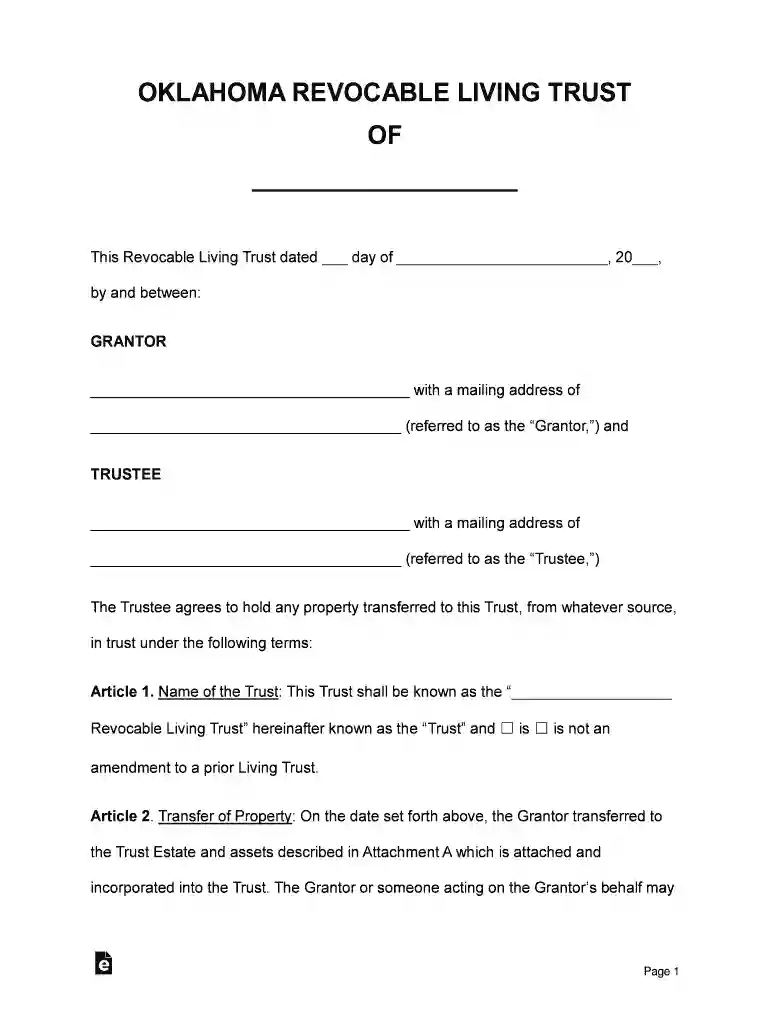
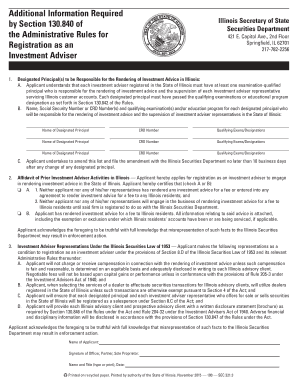
Wills and Trusts - Oklahoma State UniversityStillwater 2026

Get Form
Wills and Trusts - Oklahoma State UniversityStillwater Preview on Page 1

Here's how it works

01. Edit your form online
Type text, add images, blackout confidential details, add comments, highlights and more.

02. Sign it in a few clicks
Draw your signature, type it, upload its image, or use your mobile device as a signature pad.

03. Share your form with others
Send it via email, link, or fax. You can also download it, export it or print it out.

Definition and Meaning

The "Wills and Trusts - Oklahoma State UniversityStillwater" refers to legal documents designed to manage and distribute assets and provide instructions on the handling of an individual's estate. Wills serve as formal declarations of a person's wishes concerning the distribution of their property and care of any minor children after their death. Trusts, such as a living trust, allow individuals to transfer their property into a trust to be managed by a trustee for the benefit of beneficiaries, potentially avoiding probate. Understanding these documents is crucial for estate planning, ensuring your wishes are honored, and providing clarity for loved ones.

How to Obtain the Wills and Trusts - Oklahoma State UniversityStillwater

Obtaining these documents typically involves several steps. You can start by consulting with an estate planning attorney who specializes in Oklahoma law. They can offer guidance specific to your situation and ensure compliance with state requirements. Alternatively, online platforms provide templates that can be customized; however, individual needs might necessitate legal advice to tailor these templates appropriately. Oklahoma State UniversityStillwater may also offer resources or workshops on wills and trusts, often through legal studies or extension services.

Steps to Complete the Wills and Trusts - Oklahoma State UniversityStillwater

  1. Gather Information: Collect details on assets, debts, and beneficiaries.
  2. Consult with an Attorney: Engage with an estate planning lawyer to ensure compliance with state laws and that the documents reflect your intentions.
  3. Draft the Documents: Either work with the attorney or use a reliable template. Make sure all essential elements, such as naming an executor for the will and a trustee for the trust, are included.
  4. Review and Revise: Carefully examine all details, confirming accuracy and comprehensiveness.
  5. Execution: Sign the documents in the presence of a notary and witnesses as required by Oklahoma law.
  6. Store Safely: Keep the original documents in a secure place, like a safe deposit box, and inform the executor and trustee of their location.

Key Elements of the Wills and Trusts - Oklahoma State UniversityStillwater

  • Testator/Grantor: The person who creates the will or trust.
  • Executor/Trustee: The individual appointed to administer the estate or manage the trust.
  • Beneficiaries: People or entities designated to receive benefits.
  • Assets and Liabilities: Comprehensive list of the testator's financial holdings and obligations.
  • Distribution Instructions: Specific guidance on how to allocate the estate among beneficiaries.
  • Guardianship Designations: For minor children, specify a legal guardian in the will.

Legal Use of the Wills and Trusts - Oklahoma State UniversityStillwater

Wills and trusts are legally binding documents once properly executed. They serve several legal purposes:

  • Asset Distribution: Legally determines who receives assets and under what conditions.
  • Probate Avoidance: Trusts can be structured to bypass probate, expediting the distribution process.
  • Guardianship Assignments: Legally appoints guardians for underage children.
  • Tax Efficiency: Properly structured trusts can minimize estate taxes.

State-Specific Rules for the Wills and Trusts - Oklahoma State UniversityStillwater

Oklahoma has specific statutes governing the creation, execution, and enforcement of wills and trusts:

  • Witness Requirements: Oklahoma requires two witnesses for a will's execution.
  • Revocable and Irrevocable Trusts: The state recognizes both, with different implications for property management and tax consequences.
  • Spousal Elective Share: Oklahoma law permits a surviving spouse to claim an elective share, overriding certain will directions.

Important Terms Related to Wills and Trusts - Oklahoma State UniversityStillwater

  • Probate: The judicial process validating a will.
  • Codicil: An amendment or addition to a will.
  • Inter Vivos Trust: A trust established during the grantor's lifetime.
  • Escheat: Transfer of estate to the state when no heirs exist.
  • Fiduciary Duty: The obligation of the trustee to act in the best interest of beneficiaries.

Examples of Using the Wills and Trusts - Oklahoma State UniversityStillwater

Consider real-world scenarios:

  • An individual uses a living trust to efficiently manage assets, avoiding probate and simplifying transitions for beneficiaries upon passing.
  • A parent creates a will specifying guardians for their children and outlining an inheritance structure, including a trust fund for educational expenses.
  • An entrepreneur incorporates a revocable trust to maintain control over business holdings during their lifetime while ensuring seamless succession planning.
be ready to get more

Complete this form in 5 minutes or less

Get form

Got questions?

We have answers to the most popular questions from our customers. If you can't find an answer to your question, please contact us.
Contact us
The average cost for a simple will can vary based on several factors, but typically ranges from $150 to $600 when drafted by an attorney. This range depends on location, the attorneys experience, and the details of the estate.
A probate lawyer can review the will and submit it to the probate court, handle all of the paperwork, and guide you through every step of the probate process if you are facing it after the death of a family member. They may be able to find a way to help you avoid probate, in some cases.
Many people hesitate to create a last will due to concerns about the expenses, but the exact price depends on which method you choose. You can technically write your own will for free, use an estate planning service for $10 to $250, or pay an attorney between $300 and $1,000 or more.
An estate planning attorney specializes in helping individuals and families create legal documents and strategies to manage their assets, plan for inheritance, and minimize taxes after death.
Adding a trust to your estate plan comes with more benefits, such as being able to plan for incapacity, avoiding probate, having more control from the grave over how and when your assets are transferred, and protection for your children and other beneficiaries (recipients) of your assets.

Security and compliance

At DocHub, your data security is our priority. We follow HIPAA, SOC2, GDPR, and other standards, so you can work on your documents with confidence.
Learn more
ccpa2
pci-dss
gdpr-compliance
hipaa
soc-compliance
be ready to get more

Complete this form in 5 minutes or less

Get form

People also ask

A simple will can be drafted for as little as $100, while a complex will might cost several thousand dollars, especially if it involves extensive assets or detailed instructions. Trusts are more complex and can range from a few hundred dollars for a DIY option to thousands when set up with an attorney.

Related links