




Definition & Meaning
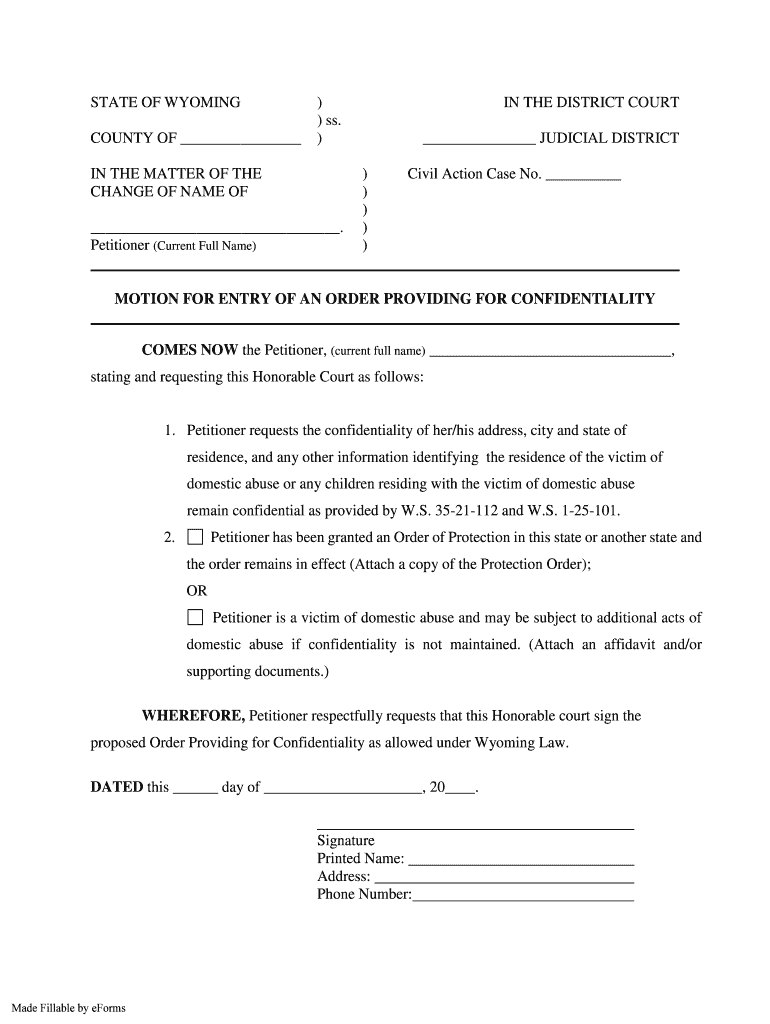
The "Judicial District In Re Name Change" form is a legal document used in the United States for petitioning a court to officially change a person's name in public records. This form is critical for those who seek to formalize a new identity that aligns with their personal, spiritual, or cultural preferences, such as after marriage or divorce. The process of obtaining a name change through this form requires adherence to specific legal protocols depending on the jurisdiction and may involve a court appearance to justify the request.
Importance of Document
- Identity Verification: Ensures legal recognition of new names for ID verification.
- Legal Consistency: Aligns all legal documents and records with the new name.
- Public Record: Updates public records to reflect the official name change.
Steps to Complete the Judicial District In Re Name Change
Successfully completing the form involves a series of well-defined steps designed to meet court requirements and ensure a smooth legal transition. Each step plays a vital role in preparing the form for submission.
Initial Preparation
-
Research Jurisdiction Requirements: Each judicial district has specific protocols regarding name change petitions.
-
Gather Necessary Information: Ensure you have all relevant personal details and documentation, such as birth certificates or IDs.
-
Consult Legal Aids: Consider seeking advice from legal aid organizations or attorneys if uncertainties arise.
Completing the Form
-
Fill Out Personal Information: Accurately enter your previous and desired new name, along with essential details such as address and contact information.
-
Provide Legal Justification: Briefly explain why you are seeking a name change, such as marriage, divorce, or personal reasons.
-
Signature and Date: Ensure the form is signed and dated before submission.
Submission Process
- File with Court: Submit the completed form to the appropriate judicial district court.
- Payment of Filing Fee: Be prepared to pay any applicable filing fees, which vary by state.
Legal Use of the Judicial District In Re Name Change
This form serves a lawful purpose and aligns with U.S. legal standards for personal name changes. Understanding these legal frameworks is essential for compliance and ensuring the petition's viability.
Legal Applications
- Marriage and Divorce: Adjustments for marital status changes.
- Adoption or Parentage: Reflecting familial status changes.
- Protection from Abuse: Concealing identities in legal records for safety.
Regulatory Compliance
- Court Interactions: May require a court hearing to justify the name change request.
- Public Notice Requirements: Some jurisdictions may mandate public announcements before approving a name change.
Required Documents
The "Judicial District In Re Name Change" form necessitates several supporting documents to substantiate the name change request. These documents verify identity and justify the necessity for change.
Essential Documents
- Birth Certificate: A copy for identity verification purposes.
- Identification Documents: Such as driver's license or passport.
- Legal Decrees: Divorce decrees or adoption papers, if applicable.
Additional Supporting Evidence
- Affidavits: From individuals attesting to the legitimacy of the name change request.
- Court Orders: Previous orders if the name has been changed before.
State-Specific Rules for the Judicial District In Re Name Change
Each state in the U.S. may have unique rules governing the name change process. Familiarizing yourself with these guidelines is critical for ensuring compliance and avoiding delays.
State Variations
- Filing Locations: Different states designate specific courts or county clerks for filing.
- Notification Processes: Varies in how the public is to be notified about the name change.
- Hearing Requirements: Some require a mandatory court hearing, whereas others may not.
Unique State Procedures
- California: Requires posting a notice in a local newspaper.
- Texas: Has distinct mandates for minor name changes, needing parental consent.
Examples of Using the Judicial District In Re Name Change
The form is employed across various personal and legal scenarios. Understanding these examples can aid in identifying similar personal circumstances warranting a name change.
Real-World Applications
- Professional Identity: Individuals changing their name for career branding.
- Cultural Reasons: Changes reflecting new cultural affiliations or religious conversions.
- Celebrity Cases: Public figures opting for stage names to be legally recognized.
Practical Scenarios
- Correction of Spelling Errors: Legal correction of previously incorrect name spellings.
- Gender Transition: Legal acknowledgment of name in gender reassignment cases.
Eligibility Criteria
Understanding who qualifies for requesting a name change is important to ensure that the petition is initially viable and ultimately successful.


General Eligibility
- Age Requirements: Petitioners above eighteen years or with parental consent for minors.
- Residency Status: Must generally be a legal resident in the filing judicial district.
Disqualification Factors
- Legal Restrictions: Individuals with pending criminal charges or specific convictions may face restrictions.
- Ongoing Financial Obligations: Courts may deny requests from those failing to meet child support obligations.
Why Should You Use the Judicial District In Re Name Change
Utilizing this form holds significant benefits for individuals seeking to formalize their new identity legally. The lawful nature of the process provides clarity and consistency across all legal records.
Benefits of Use
- Establish Legal Identity: Ensures all documentation and records recognize the new name.
- Avoids Legal Issues: Reduces potential legal entanglements when using new names unofficially.
- Personal Fulfillment: Completes personal transitions aligning identity with current life situation or beliefs.