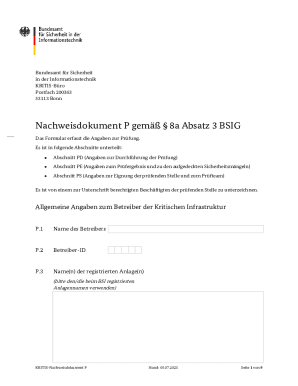
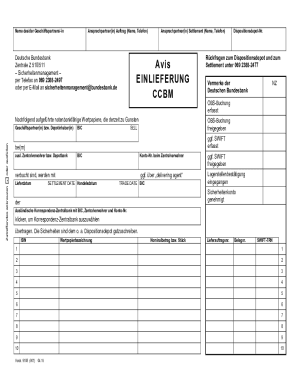
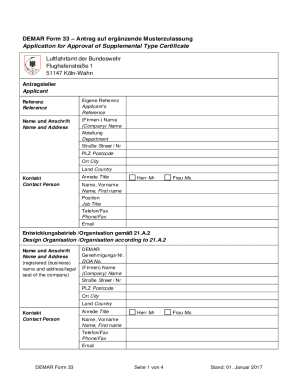
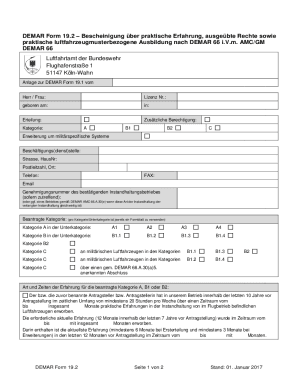
Fillable Application Date: Date of Use: Name of *applicant: 2026

Get Form
Fillable Application Date: Date of Use: Name of *applicant: Preview on Page 1

Here's how it works

01. Edit your form online
Type text, add images, blackout confidential details, add comments, highlights and more.

02. Sign it in a few clicks
Draw your signature, type it, upload its image, or use your mobile device as a signature pad.

03. Share your form with others
Send it via email, link, or fax. You can also download it, export it or print it out.

Definition & Meaning

The form "Fillable Application Date: Date of Use: Name of *applicant:" is typically utilized in contexts where detailed record-keeping of specific events or applications is necessary. The primary structure mentioned includes various fields necessary for capturing foundational data, such as the date on which the form is filled out, the date the particular application or activity mentioned is planned to be utilized, and the name of the person or entity applying. This construction ensures that the essential details are accurately documented, providing a clear reference for future actions or audits. Such forms are often used in scenarios including permit applications, event registrations, or reservation systems where precise information is critical for effective management and compliance.

Key Elements of the Fillable Application Form

Understanding the critical components of this form is essential to ensure correct usage and compliance:

  • Application Date: This indicates the exact date when the applicant fills out the form. It's used to track when the request or application was initiated.
  • Date of Use: This field is for stating when the applicant intends to use whatever premise or service they are applying for. It's particularly important for scheduling and resource allocation.
  • Name of Applicant: Captures the identity of the person or group submitting the form. This typically includes full legal names to avoid any ambiguities or errors in identification.

These elements serve as a framework for gathering necessary data and ensure that applications are processed efficiently.

How to Use the Form

Filling out the "Fillable Application Date: Date of Use: Name of *applicant:" correctly involves a step-by-step approach:

  1. Enter the Application Date: Begin by noting the current date when you fill out the form. This marks the commencement of the application process.
  2. Specify the Date of Use: Clearly indicate the date you plan to use the service or facility, ensuring it matches your scheduling requirements.
  3. Input the Applicant's Name: Fill in the complete name, as official documents or responses will likely reference this name.

Make sure to double-check each entry for accuracy to prevent any processing delays or misunderstandings.

Steps to Complete the Form

This form requires precise data input to avoid rejection or request for corrections:

  1. Review the Form Fields: Ensure you understand what each field demands.
  2. Gather Information: Have all pertinent details, like identification numbers or additional documents, on hand.
  3. Complete Required Fields: Use legible handwriting or digital text entry to avoid confusion.
  4. Verify Information: Cross-check each entry for spelling or numeric accuracy.
  5. Submit Form: Depending on the issuing authority, submit digitally or mail a paper version ensuring receipt confirmation.

Effective completion of these steps can significantly streamline your application process.

Why Should You Use the Form?

This form is a vital tool for organized data management and legal compliance:

  • Structured Record-Keeping: Provides a standardized way to capture critical details, helping in maintaining comprehensive records.
  • Legal Compliance: Ensures that all necessary information is documented and preserved for regulatory or audit purposes.
  • Efficient Processing: Facilitates expedited processing by providing a complete data set in an organized format, reducing delays.

Utilizing such forms can enhance administrative efficiency and reduce errors associated with informal data collection methods.

Who Typically Uses the Form?

The form is particularly beneficial for:

  • Event Organizers: For scheduling and managing events requiring permits or reservations.
  • Businesses: To document applications for resource allocation or service usage.
  • Individuals: When applying for personal services or facility usage in places like community centers or government buildings.

These users benefit from the standardized format that enables easy communication of essential data to relevant authorities.


decoration image ratings of Dochub

Examples of Using the Form

Several practical scenarios highlight the form's applicability:

  • Event Reservations: An organization planning a public event may use this form to secure a venue on a specific date.
  • Permit Applications: When needing a temporary permit for activities like street vending, this form precisely documents necessary details.
  • Rental Agreements: A business renting equipment can use this to specify rental terms, aligning usage dates with client needs.

These examples showcase the form's versatility across various administrative and logistical processes.

State-Specific Rules for the Form

Different U.S. states may have unique requirements regarding form submission:

  • California: Might need electronic submissions for certain permits.
  • Texas: Could have additional specific insurance documentation attached.
  • New York: Requires submission to specific local government offices or websites.

Understanding these differences can help tailor your application process, ensuring compliance and reducing processing times.

Legal Use of the Form

The form's legality and compliance aspects are critical:

  • Compliance with Local Laws: Aligns with state regulations regarding application submissions and transactions.
  • Binding Agreements: When used for agreements, such as rental or service contracts, it ensures that terms are legally documented.
  • Audit Trail: Creates a traceable record that can be referenced in disputes or regulatory reviews.

Legal adherence through this form provides accountability and security for both issuers and applicants.

Required Documents

When completing this form, the following documents may be necessary:

  • Identification Proof: Valid ID to confirm applicant identity.
  • Proof of Payment: If a fee is required, keep receipts as proof.
  • Supporting Documentation: Any additional paperwork to substantiate claims or needs.

Having these ready can streamline submission and approval processes.

Form Submission Methods

The versatility of submitting the form enhances user convenience:

  • Online Submissions: Efficient and fast; users upload completed forms through official portals.
  • Mailing Physical Forms: Traditional paper submission with tracking options for confirmed delivery.
  • In-Person Handovers: Direct submission to office locations for immediate receipt confirmation.

Choosing the right method depends on personal preferences and the exigencies of the authorities involved.

Penalties for Non-Compliance

Failing to follow guidelines can lead to consequences:

  • Delayed Processing: Missing deadlines may necessitate a complete reapplication.
  • Fines or Additional Fees: Some jurisdictions impose financial penalties for incorrect submissions.
  • Legal Implications: Severe cases of non-compliance could result in legal action.

Understanding and adhering to the form's requirements helps mitigate risks and ensures successful applications.

be ready to get more

Complete this form in 5 minutes or less

Get form

Got questions?

We have answers to the most popular questions from our customers. If you can't find an answer to your question, please contact us.
Contact us
The original owner should record the assignment or name change with the USPTOs Assignment Recordation Branch by going to Assignment Center and filing a Recordation Cover Sheet along with a copy of the actual assignment or proof of name change.
In filing a patent application and paying required fees, the USPTO provides forms and an electronic filing tool. You may also wish to find a patent attorney or agent to help draft the required description of the invention and claims, and any required drawings.
The Office has a form PTO/AIA/40 to request correction in a patent application (other than a reissue application) relating to inventorship, an inventor name, or order of names. This form, PTO/AIA/40, can be used for various corrections related to inventorship and inventor names.
An oath or declaration must: (1) identify the inventor or joint inventor executing the oath or declaration by their legal name; (2) identify the application to which it is directed; (3) include a statement the person executing the oath or declaration believes the named inventor or joint inventors to be the original
Submit the following by mail: Form DS-5504 (find mailing instructions on the form) Your most recent U.S. passport. An original or certified document which shows that you changed your name less than one year after we issued your most recent U.S. passport. One passport photo.

Security and compliance

At DocHub, your data security is our priority. We follow HIPAA, SOC2, GDPR, and other standards, so you can work on your documents with confidence.
Learn more
ccpa2
pci-dss
gdpr-compliance
hipaa
soc-compliance

People also ask

Amendment Amendment after Notice of Allowance (Rule 312) When applicant files an amendment after the Notice of Allowance has been mailed but before the issue fee is paid, the amendment is not entered automatically. It may only be entered upon recommendation of a Primary Examiner.
Amendments to Names You can alter the names of the patent owners by sending a Recordation Cover Sheet to the Assignment Recordation Branch of the U.S. Patent and Trademark Office (USPTO). The process is the same regardless of whether the patent is under examination or already has been granted.

Related links