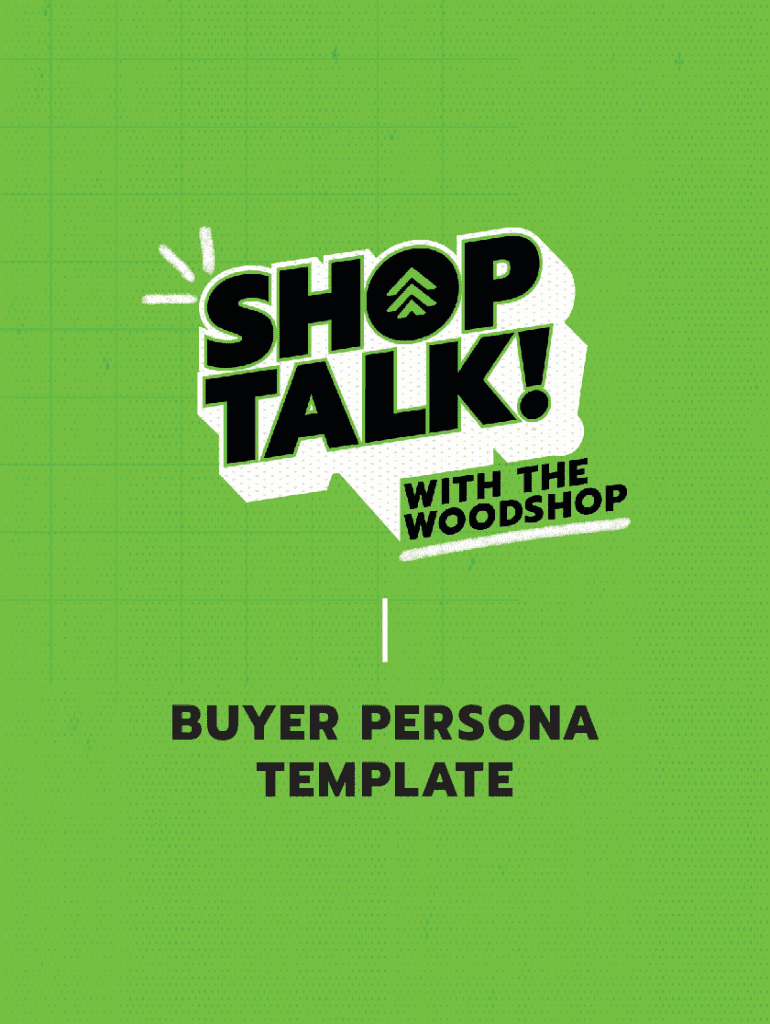







Definition & Purpose of the Buyer Persona Template
A Buyer Persona Template is a structured tool used by businesses to create detailed profiles or personas of their ideal customers. This template typically includes sections that capture various aspects of a customer’s profile, such as demographics, behaviors, goals, challenges, and decision-making processes. Utilizing a buyer persona helps businesses tailor their marketing strategies, products, and services to meet the needs and preferences of their target audience more effectively. This document is not just about identifying customer types but understanding them deeply enough to predict how they might interact with a brand. By doing so, businesses can create more personalized and effective campaigns, leading to better engagement and conversion rates.
How to Use the Buyer Persona Template
To effectively use a Buyer Persona Template, start by gathering data about your customers. This can come from various sources like surveys, interviews, web analytics, and social media interactions. Once you've collected sufficient data, follow these steps:
- Demographics: Fill out basic demographic information such as age, gender, location, and job title. This foundational data helps in segmenting your audience.
- Goals and Challenges: Identify what your typical customer aims to achieve and the obstacles they face. This helps in aligning your product features with their needs.
- Interests and Behaviors: Document common behaviors and interests that might influence purchasing decisions or brand interactions.
- Decision-Making Process: Outline how they decide to choose products or services, including key influencers or decision-making criteria.
- Messaging Preferences: Note preferred channels of communication and messaging styles to tailor your marketing approach.
Consistency is key, ensure that data collection methods are standardized across respondents for reliable personas.
Steps to Complete the Buyer Persona Template
Completing a Buyer Persona Template involves a structured approach to ensure all essential data is captured accurately:
- Research & Data Collection: Collect quantitative and qualitative data from various sources including sales teams, customer interviews, and online analytics.
- Segmentation: Distill your data into distinct customer segments based on shared characteristics.
- Persona Development: Begin filling out the template sections with appropriate data for each segment. Focus on accuracy and depth.
- Validation & Review: Use existing customer feedback or performance data to validate the assumptions and accuracy of your personas.
- Iterate & Update: Personas should evolve based on market changes or new insights. Regular updates ensure relevance.
Key Elements of the Buyer Persona Template
A comprehensive Buyer Persona Template should include several critical sections, each designed to extract valuable insights about the customer:
- Persona Overview: A high-level snapshot of the persona, often including a photo or visual aid to humanize the data.
- Demographic Information: Age, gender, income level, education, and location.
- Goals & Challenges: Short-term and long-term objectives, along with any barriers to achieving these goals.
- Behavior Patterns: Typical activities, shopping habits, and decision-making triggers.
- Pain Points & Solutions: Current problems faced by the customer and potential solutions or products to address these needs.
- Messaging Preferences: Preferred communication methods and content styles that resonate with the persona.
These elements combine to provide a full picture of the customer, guiding strategic decisions.
Examples of Using the Buyer Persona Template
Using a Buyer Persona Template can greatly enhance marketing strategies, customer service approaches, and product development processes. For instance:
- A fitness company might create a persona like "Fitness Fiona," a wellness studio owner whose goals include expanding her service offerings. By understanding her challenges in sourcing quality products and preference for community-focused communication, the company can tailor its services to better meet her needs.
- A software company might identify a persona of "Techie Tom," a mid-level IT manager keen on efficiency and robust support systems. Marketing efforts can focus on demonstrating product reliability and customer support to appeal to his core concerns.
These scenarios illustrate how detailed personas can guide a company in aligning its offerings with customer expectations.
Who Typically Uses the Buyer Persona Template
Typically, different departments within a business can leverage buyer personas:
- Marketing Teams: For crafting targeted campaigns and personalized content strategies.
- Product Development Groups: To design products with features that address customer pain points and preferences.
- Sales Departments: To tailor pitches and identify potential objections during the sales process.
- Customer Support Teams: For understanding typical customer issues and preferred communication channels.
By involving multiple departments in persona development, companies ensure a consistent understanding of the customer across all touchpoints.


Business Types That Benefit Most from Buyer Persona Template
The Buyer Persona Template is particularly valuable for businesses that need to understand diverse and complex customer bases, such as:
- E-commerce: Companies that need to cater to varied customers with different needs.
- B2B Firms: Where sales cycles are longer and require a deeper understanding of client needs.
- Service-Oriented Businesses: Such as consulting firms, where intimately knowing customer challenges can lead to better service offerings.
- Tech Companies: Where product adoption can be influenced by understanding technical needs and user behaviors.
These industries benefit heavily from personas due to their complex customer interactions which require deep insights for successful engagement.
Software Compatibility and Integration
Using a Buyer Persona Template in conjunction with document management systems like DocHub can enhance efficiency. DocHub's integration capabilities with platforms like Google Workspace streamline the workflow by allowing you to manage and update your personas in real-time. For instance:
- Google Drive: Store templates and filled personas, ensuring version control and easy access.
- Email Solutions: Quickly share drafts and solicit feedback from stakeholders within the organization.
Efficiency in managing and accessing the Buyer Persona Template ensures that the data remains dynamic and actionable, providing the best possible insights into customer profiles.