01. Edit your form online
Type text, add images, blackout confidential details, add comments, highlights and more.

Type text, add images, blackout confidential details, add comments, highlights and more.

Draw your signature, type it, upload its image, or use your mobile device as a signature pad.

Send it via email, link, or fax. You can also download it, export it or print it out.
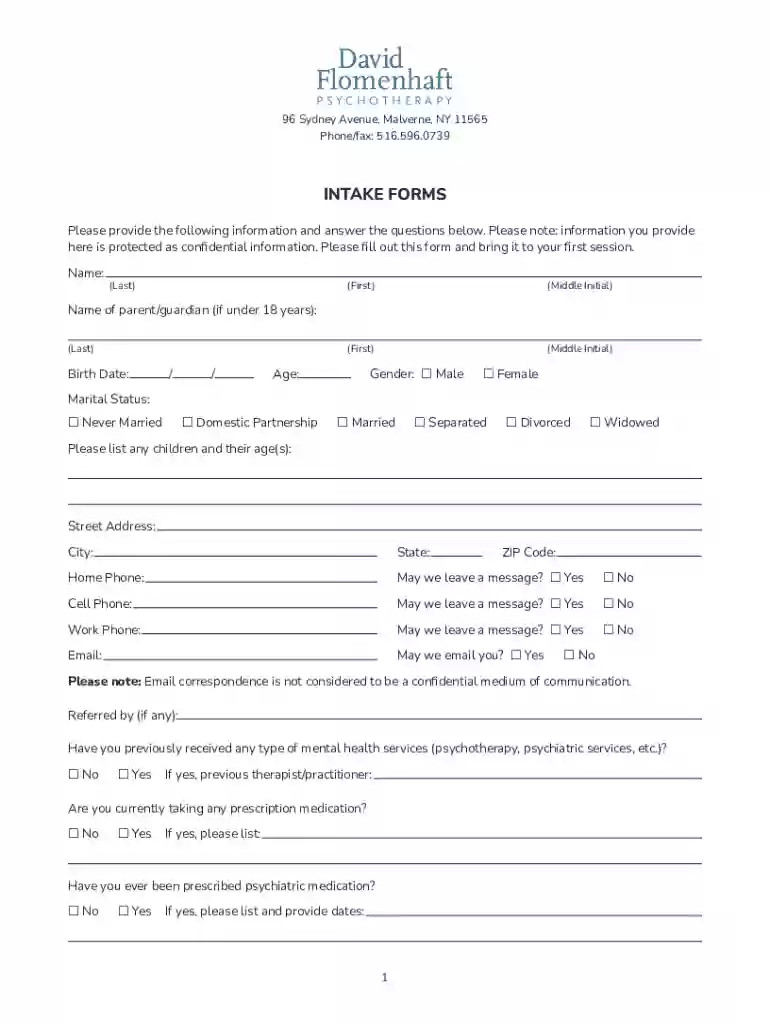
"A Therapist's Guide to Conducting and Documenting an" is a structured tool designed to assist therapists in both facilitating and recording psychotherapy sessions. This guide is essential for maintaining comprehensive and organized documentation of therapy sessions, ensuring that all relevant information is captured accurately. It provides therapists with a systematic approach to gathering personal information, mental health history, and assessments, which are integral for devising appropriate therapy plans. This guide emphasizes confidentiality and outlines the necessary policies to protect clients' sensitive information.
Understanding the key elements of the guide is crucial for its effective use. The guide typically includes sections for:
Each section is designed to provide a comprehensive overview of the client's current situation and needs, which helps in tailoring the therapeutic approach.
Completing the guide involves several steps to ensure accurate documentation:
Thoroughly documenting each of these components ensures a holistic view of the client's needs and forms the basis for effective therapy.
Therapists, counselors, and mental health professionals typically use this guide. It is widely used in private practices, mental health clinics, and hospitals across the United States. The guide is indispensable for practitioners aiming to provide customized therapy plans based on comprehensive client assessments. Interns or new therapists may also rely on guides like these to ensure they cover all necessary aspects in their consultations.


The legitimate use of this guide revolves around ensuring confidentiality and compliance with applicable mental health regulations. In the United States, this involves adherence to HIPAA standards, which safeguard the privacy of client health information. The guide aids in maintaining these standards by structuring how information is collected, stored, and shared. Therapists must ensure that all documentation is kept confidential and that clients are informed about how their information will be used.
With the rise of digital documentation, this guide is often used alongside various software platforms. Compatibility with tools like DocHub enhances its practicality by allowing therapists to edit, annotate, and securely store documents digitally. Such software offers features like fillable forms, electronic signatures, and cloud integration, which streamline the documentation process and ensure data security. These capabilities are essential for therapists managing multiple clients and documents efficiently.
Therapists must be aware of state-specific regulations that affect how the guide is used. Each state may have unique requirements for mental health documentation, confidentiality, and client rights. Reviewing these state-specific laws ensures compliance and protects both the therapist and the client legally. For example, some states may have stricter rules regarding the retention and sharing of mental health records, which must be reflected in how the guide is utilized.
Familiarity with critical terms enhances the effective use of the guide:
Understanding these terms ensures that the guide is used according to best practices and legal standards.
Practical examples demonstrate how the guide can be used in real-world scenarios:
These examples underscore the guide's practical utility in various therapeutic settings and its role in enhancing treatment efficacy.
We've got more versions of the A Therapist's Guide to Conducting and Documenting an form. Select the right A Therapist's Guide to Conducting and Documenting an version from the list and start editing it straight away!
At DocHub, your data security is our priority. We follow HIPAA, SOC2, GDPR, and other standards, so you can work on your documents with confidence.