01. Edit your form online
Type text, add images, blackout confidential details, add comments, highlights and more.

Type text, add images, blackout confidential details, add comments, highlights and more.

Draw your signature, type it, upload its image, or use your mobile device as a signature pad.

Send it via email, link, or fax. You can also download it, export it or print it out.
The Special Waste Acceptance Criteria for Landfill Disposal of Mortality refers to a set of guidelines that dictate how to safely manage and dispose of animal remains at landfills. These criteria are crucial for preventing the spread of diseases among animal populations and protecting public health. The guidelines are particularly relevant for the management of livestock mortalities that may carry infectious agents, such as avian influenza. They ensure that disposal methods meet biosecurity requirements and environmental regulations, both of which are essential in maintaining ecological balance and safety.
Several critical components make up the Special Waste Acceptance Criteria. First, there is a focus on biosecurity measures, which involves protocols to prevent the spread of infectious diseases during the transportation and disposal process. This includes securing the carcasses in leak-proof containers and disinfecting vehicles. Second, the criteria emphasize coordination between farms and landfill sites to ensure compliance with regulatory guidelines and minimize environmental impact. Third, proper containment methods like sealed, airtight bags or bins are specified to prevent contamination of soil and water. Lastly, strict procedures for site cleaning and disinfection after disposal are also detailed, ensuring that the landfill sites remain safe for future use.
Successfully adhering to the Special Waste Acceptance Criteria requires a multi-step process.
Adhering to the Special Waste Acceptance Criteria is not only best practice but is often mandated by state and federal regulations in the U.S. Non-compliance can lead to legal consequences, including fines or mandates to halt operations. These criteria are tied closely to U.S. Department of Agriculture (USDA) regulations, which aim to protect public health and the agricultural economy. Ensuring compliance with these criteria also demonstrates due diligence and commitment to ethical environmental practices.
The criteria may vary across states, depending on local environmental regulations and the prevalence of certain diseases. For instance, Iowa has specific criteria aimed at the disposal of avian influenza-infected birds, requiring additional biosecurity measures and stricter containment protocols. Farmers and landfill operators must familiarize themselves with state-specific requirements to ensure full compliance. State departments of environmental protection or agriculture can provide guidance and documentation specific to regional conditions and legal stipulations.
The primary users of the Special Waste Acceptance Criteria are agricultural professionals and landfill operators. Farmers, particularly those managing poultry or other livestock, utilize these criteria to safely dispose of dead animals. Landfill managers and employees must also be well-informed of these guidelines to ensure that they properly handle and process special waste. Additionally, biosecurity officers and environmental protection agencies play a significant role in overseeing and enforcing these standards to prevent disease outbreaks and environmental degradation.


Understanding key terms is essential for proper adherence to the Special Waste Acceptance Criteria.
Practical application of these criteria can be seen in scenarios such as an outbreak of avian influenza on a poultry farm. In such cases, affected birds must be safely contained and transported to an approved landfill following strict biosecurity guidelines. The landfill then processes these carcasses under the criteria's containment and disinfection protocols. Another example includes a cattle farm using these guidelines during an anthrax outbreak to ensure environmentally secure disposal and prevent the spread of the disease to neighboring farms and communities.
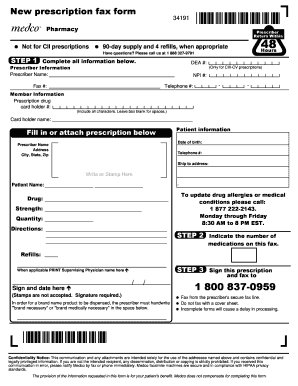
We've got more versions of the Special Waste Acceptance Criteria for Landfill Disposal of Mortality form. Select the right Special Waste Acceptance Criteria for Landfill Disposal of Mortality version from the list and start editing it straight away!
| Versions | Form popularity | Fillable & printable |
|---|---|---|
| 2015 | 4.9 Satisfied (39 Votes) |
At DocHub, your data security is our priority. We follow HIPAA, SOC2, GDPR, and other standards, so you can work on your documents with confidence.