






Definition & Meaning
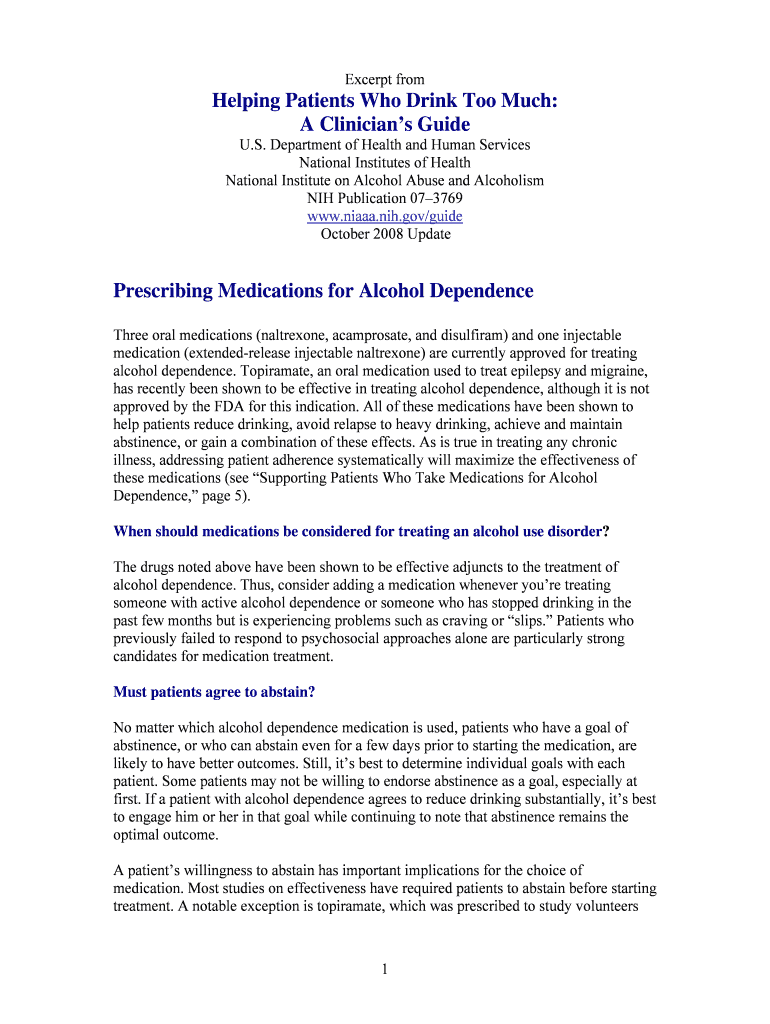
"Helping Patients Who Drink Too Much" is a clinical guide designed to aid healthcare professionals in identifying, understanding, and assisting patients who experience alcohol use disorders. The guide outlines evidence-based practices to screen, assess, and provide intervention strategies aimed at reducing or managing excessive alcohol consumption. It serves as a resource for clinicians, providing frameworks and tools necessary to support patients in navigating their recovery journey.
How to Use the Guide
Healthcare providers should integrate this guide into their routine patient evaluations to screen for excessive alcohol use. The guide recommends initiating conversations about drinking habits during regular check-ups, employing validated screening tools, and collaborating with patients to develop personalized intervention plans. It emphasizes the importance of creating a supportive environment to encourage open dialogue about alcohol consumption and potential health impacts.
Steps to Complete the Assessment
- Screening: Utilize standardized tools like the Alcohol Use Disorders Identification Test (AUDIT) to gauge alcohol consumption levels.
- Assessment: Conduct a thorough evaluation to understand the extent of alcohol use and its effects on the patient's health and wellbeing.
- Intervention Planning: Collaborate with the patient to establish achievable goals, leveraging behavioral therapies as needed.
- Follow-Up: Schedule regular appointments to monitor progress, offer support, and adjust treatment plans accordingly.
- Documentation: Accurately record all findings and steps taken in the patient's medical record for continuity of care.
Why Utilize This Guide
Utilizing "Helping Patients Who Drink Too Much" enables healthcare providers to comprehensively address alcohol-related issues, which are often underdiagnosed and untreated. It supports clinicians in reducing the health risks associated with excessive drinking, such as liver disease and cardiovascular problems, thereby improving patient outcomes and quality of life.
Key Elements of the Guide
- Screening Tools: Information on effective screening instruments for identifying at-risk individuals.
- Assessment Techniques: Guidance on evaluating the severity of alcohol use disorders.
- Intervention Strategies: Evidence-based approaches to support patients in reducing alcohol consumption.
- Patient-Provider Communication: Tips for fostering open discussions about alcohol use.
- Continuous Care: Recommendations for follow-up and ongoing support.
Examples of Effective Interventions
- Cognitive-Behavioral Therapy (CBT): Assists patients in recognizing and altering patterns of thinking and behavior related to drinking.
- Motivational Interviewing: Engages patients in setting personal goals and increasing motivation to change their drinking habits.
- Pharmacotherapy: Considers medications that can assist in managing cravings or withdrawal symptoms.
Legal Use of the Guide
While the guide is not a legally binding document, it aligns with national clinical standards for addressing alcohol use disorders. It provides a framework that complies with regulations from health authorities, supporting legal and ethical practice by ensuring that evidence-based treatment options are offered to patients.
Required Documents for Implementing the Guide
Healthcare providers should ensure they have the following documents accessible when using the guide:
- Patient medical histories and records
- Screening and assessment results
- Consent forms for any proposed interventions
- Documentation of all treatment plans and follow-up notes
State-Specific Rules
While the guide offers a general framework, it's important for practitioners to be aware of any state-specific regulations concerning alcohol treatment programs. Some states might have specific reporting requirements or mandates for referring patients to state-run rehabilitation services. Understanding local policies ensures compliance and enhances the quality of care delivered.