01. Edit your form online
Type text, add images, blackout confidential details, add comments, highlights and more.

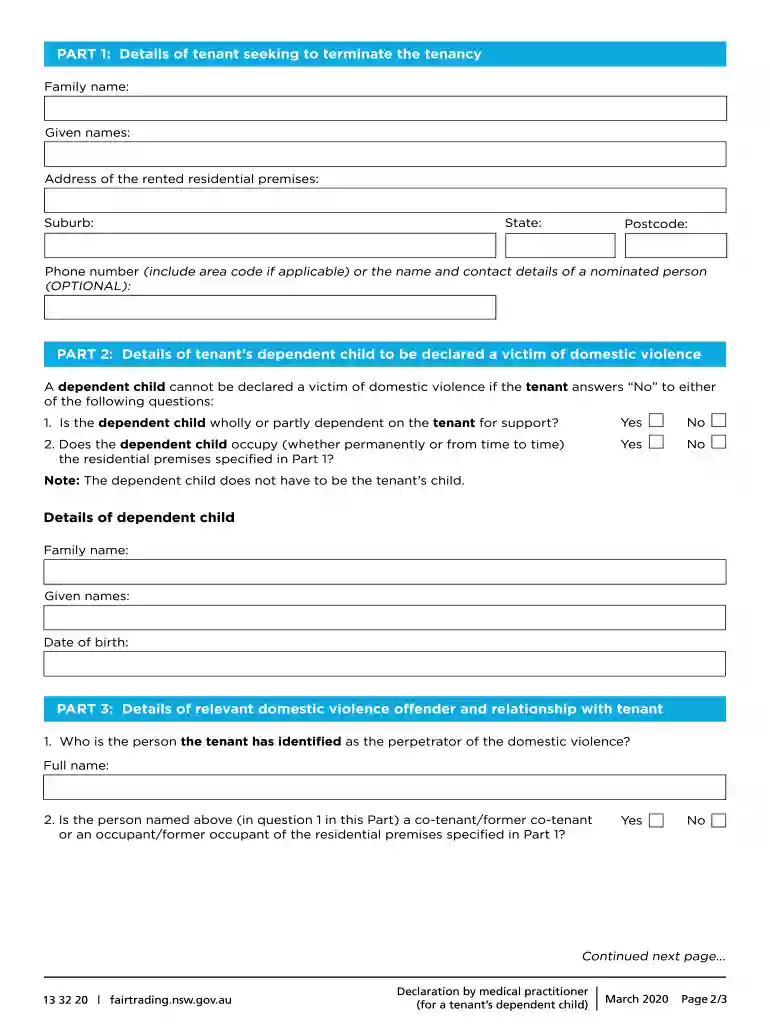
Type text, add images, blackout confidential details, add comments, highlights and more.

Draw your signature, type it, upload its image, or use your mobile device as a signature pad.

Send it via email, link, or fax. You can also download it, export it or print it out.
The Residential Tenancies Act in Manitoba serves as the legal framework governing the relationships between landlords and tenants. It outlines the rights and responsibilities of both parties, establishes guidelines for tenancy agreements, and provides measures for resolving disputes. This Act is particularly crucial for ensuring that tenants have a safe and secure living environment while landlords can manage their properties effectively. The Act covers various aspects, such as rent increases, maintenance responsibilities, and procedures for terminating a tenancy.
Utilizing the Residential Tenancies Act effectively involves understanding how the various provisions apply to specific tenancy situations. Both landlords and tenants should familiarize themselves with the Act to ensure compliance and to protect their rights.
Completing tasks or actions under the Act involves various steps, depending on whether you are a landlord or tenant. Adhering to these steps ensures compliance and reduces the risk of legal issues.
Understanding and applying the Residential Tenancies Act is pivotal for protecting legal rights and ensuring smooth landlord-tenant interactions. Adherence to the Act provides a clear framework for managing tenancies and resolving any conflicts that may arise.
Familiarity with key terms used in the Residential Tenancies Act can significantly aid in understanding and applying its provisions.
The legal implications of the Residential Tenancies Act are wide-ranging, impacting contract formulation, dispute resolution, and tenant rights enforcement.
Understanding and recognizing the essential elements of the Act enables landlords and tenants to manage their legal obligations effectively.
Though the Residential Tenancies Act primarily applies to Manitoba, certain conditions and rules may vary or have state-specific variations that can affect its application elsewhere.
By understanding the Residential Tenancies Act, both landlords and tenants can navigate the complexities of rental agreements more effectively, ensuring a fair and lawful rental process.
We've got more versions of the The Residential Tenancies Act - Manitoba Laws form. Select the right The Residential Tenancies Act - Manitoba Laws version from the list and start editing it straight away!
At DocHub, your data security is our priority. We follow HIPAA, SOC2, GDPR, and other standards, so you can work on your documents with confidence.