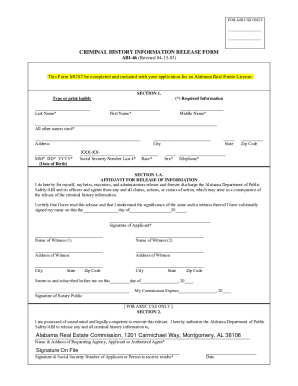
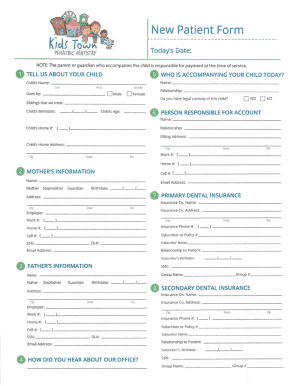
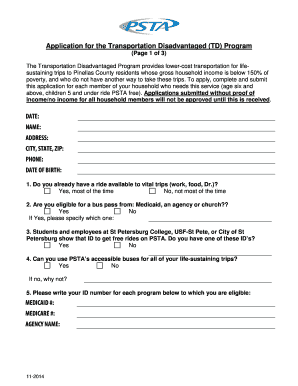
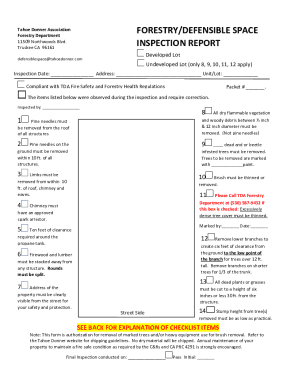
01. Edit your form online
Type text, add images, blackout confidential details, add comments, highlights and more.

Type text, add images, blackout confidential details, add comments, highlights and more.

Draw your signature, type it, upload its image, or use your mobile device as a signature pad.

Send it via email, link, or fax. You can also download it, export it or print it out.
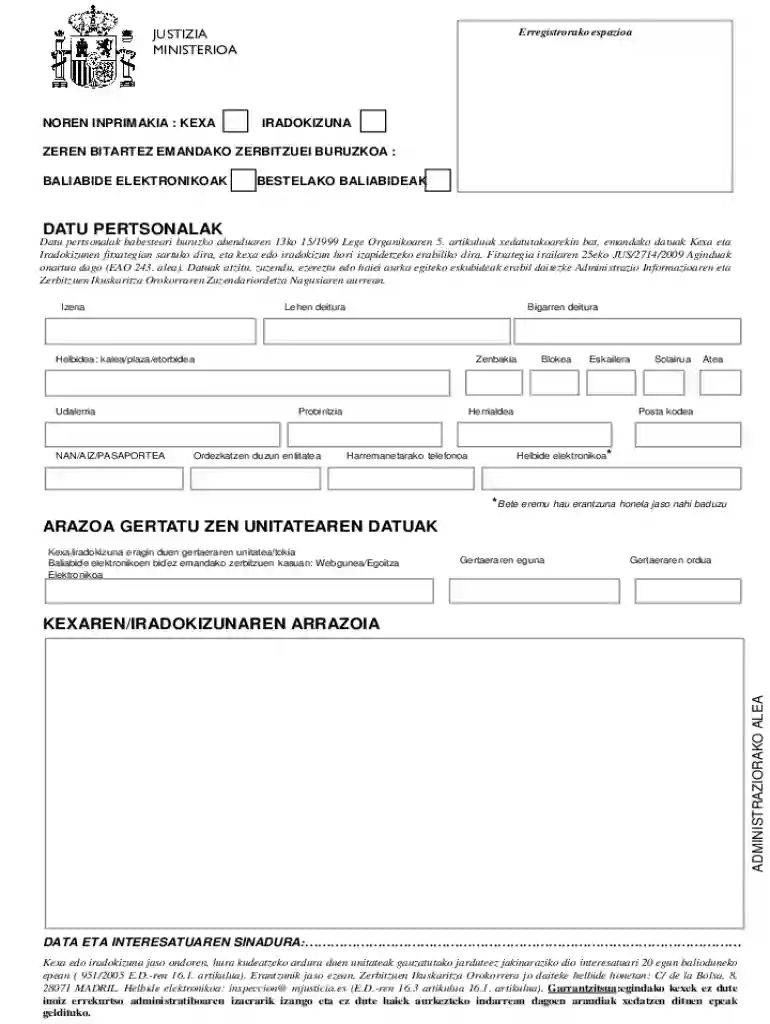
The Kexa form is a crucial document within the realm of document management and workflow optimization. It serves as a standardized form used to streamline specific tasks that require legal, tax, or business process documentation. The exact purpose of the form varies depending on the context in which it is used, such as business transactions or compliance reporting. Understanding the Kexa form is essential for professionals who regularly engage in activities that require precise documentation, ensuring processes are conducted in a structured and legally compliant manner.
Utilizing the Kexa form involves several strategic steps to ensure that information is accurately captured and utilized. Users must first determine the specific requirements of their situation to fill out the form correctly. This includes understanding the sections that need to be completed and ensuring any additional documents required are prepared in advance. Once filled, the form can be integrated into digital workflows using platforms like DocHub, enabling users to digitally edit, sign, and share the document efficiently.
Completing the Kexa form involves a meticulous process to ensure all information is properly represented. The steps include:
Initial Preparation: Familiarize yourself with the form’s sections and gather relevant information, including personal data, legal references, and supporting documents.
Filling Out the Form: Carefully input the required information into each relevant section. Pay attention to mandatory fields and ensure all data is accurate and up-to-date.
Review and Verification: Double-check all entries for accuracy. Ensure that any attached documents correlate with the data provided within the form.
Submission: Choose the appropriate submission method based on requirements—be it digital, via mail, or in person—and follow through with any necessary procedural steps to file the form.
The Kexa form is typically utilized by professionals in business, legal, and tax industries. Its application is broad but essential for individuals who require formalized documentation for compliance or procedural integrity. This includes accountants managing financial transactions, legal advisors documenting contractual agreements, and business managers overseeing operational workflows. Understanding the utility of the Kexa form ensures these roles can execute their duties with precision and adherence to regulatory standards.


In legal contexts, the Kexa form possesses significant importance due to its role in ensuring compliance with federal, state, and local regulations. Proper use of the form can safeguard businesses and individuals from legal penalties, as it serves as a comprehensive record that can be referenced in audits or legal disputes. Legal professionals must ensure that the form is completed accurately to uphold its validity and applicability in law.
The integrity and usability of the Kexa form depend on several key elements that must be understood and meticulously completed:
Accurate completion and submission of the Kexa form often requires additional documents to support the information provided. These documents vary depending on the form’s purpose and may include proof of identity, financial statements, or previous compliance certificates. It is critical to prepare these documents in advance to ensure a smooth submission process.
The Kexa form is available in both digital and paper formats, each with unique advantages:
Digital Version: This format is ideal for integration into digital workflows, providing ease of editing, sharing, and storing through platforms like DocHub. It offers increased security and efficiency, especially when requiring multiple reviews and signatures.
Paper Version: Traditional paper forms may be necessary where electronic submissions are not accepted or where original, hand-signed documents are mandated by regulatory authorities. They provide a physical record that can be substantial in auditing or historical referencing.
Understanding the appropriate format to use, based on the form’s intended purpose and submission requirements, is vital to maintaining compliance and achieving the desired outcomes.
At DocHub, your data security is our priority. We follow HIPAA, SOC2, GDPR, and other standards, so you can work on your documents with confidence.