






Definition & Meaning
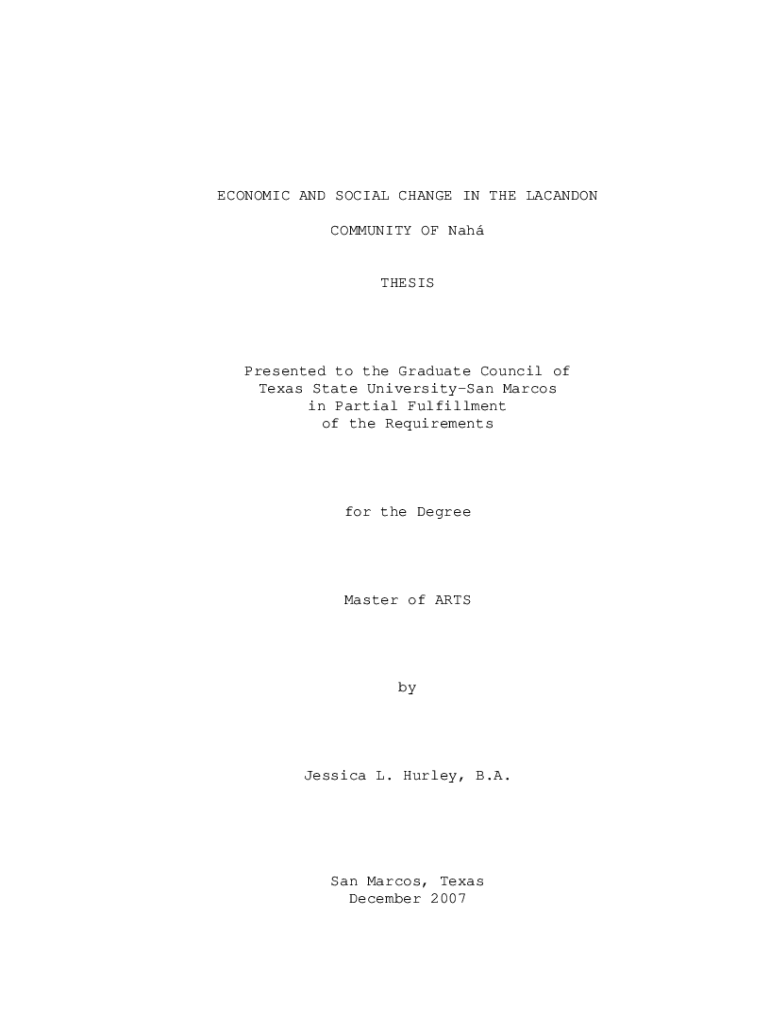
The "Lacandon jungle: Payments for Environmental Services" refers to a financial mechanism aimed at recognizing and rewarding the conservation efforts made by indigenous and local communities in the Lacandon jungle region. This program provides monetary incentives to landowners or community members who undertake activities that preserve and enhance the environmental services offered by their land. These services include carbon sequestration, biodiversity conservation, and water regulation. Understanding this concept is crucial for both the effective implementation of conservation initiatives and the equitable distribution of benefits among participating communities.
How to Use the Lacandon Jungle: Payments for Environmental Services
To benefit from the Payments for Environmental Services (PES) program, eligible landowners or community groups must first identify the specific environmental services their land provides. Next, they should follow the enrollment procedures established by relevant authorities or organizations managing the PES scheme. This typically involves submitting detailed land management plans that outline how conservation activities will be implemented and monitored. Participants must regularly report on their activities to ensure compliance with the agreed standards for PES payments.
Steps to Complete the Lacandon Jungle: Payments for Environmental Services
- Assess Eligibility: Determine if your land qualifies under the criteria for participation in the program.
- Develop a Land Management Plan: Create a comprehensive plan outlining the proposed conservation activities and their anticipated environmental benefits.
- Submit Application: Gather the required documents and submit the application to the appropriate governmental or non-governmental body managing the PES scheme.
- Confirmation and Agreement: Upon acceptance, formalize your participation through an agreement that specifies your obligations and the payment structure.
- Implementation and Monitoring: Begin the conservation activities as per the management plan and maintain regular records of these activities for monitoring purposes.
- Reporting and Payment: Periodically report on your activities and receive payments based on adherence to the agreed terms and the successful provision of environmental services.
Key Elements of the Lacandon Jungle: Payments for Environmental Services
The PES program in the Lacandon jungle encompasses several key elements critical for its success:
- Incentive Structure: Defines the payment rates and schedules for qualifying conservation efforts and land types.
- Eligibility Criteria: Outlines the requirements landowners or community groups must meet to participate.
- Monitoring and Evaluation: Establishes the frameworks and methodologies used to assess compliance and the effectiveness of conservation activities.
- Legal Agreements: Formal contracts between participants and administrative entities detailing roles, responsibilities, and contingency measures for any breach of terms.
Eligibility Criteria
The eligibility criteria for the "Lacandon jungle: Payments for Environmental Services" program are primarily based on several factors:
- Land Type and Size: Specific land types within the Lacandon jungle region may be required, and smaller plot sizes might necessitate collaborative applications with neighboring landowners.
- Environmental Value: High biodiversity areas, significant carbon sinks, or lands crucial for watershed protection may be prioritized.
- Conservation Commitment: Participants must commit to long-term conservation efforts, which could range from reforestation to sustainable land-use practices.


Application Process & Approval Time
The process starts with the submission of a detailed application that includes project proposals, environmental baseline data, and evidence of land ownership or rights. Once submitted, applications undergo a review process, which may take several months. The evaluation considers the potential environmental benefits and the feasibility of the proposed conservation measures. Upon approval, participants enter into a formal agreement, with the timeline for commencement and expectations clearly defined.
Legal Use of the Lacandon Jungle: Payments for Environmental Services
Legally, participants are required to adhere to the terms outlined in their agreements, which may include restrictions on land use, such as prohibitions on logging or converting forests to agriculture. These legal frameworks are aligned with both national environmental policies and international conservation standards, ensuring that the rights of indigenous and local communities are respected and that their participation does not infringe on existing land use rights or cultural practices.
Examples of Using the Lacandon Jungle: Payments for Environmental Services
One practical example involves a community in the Lacandon region engaging in sustainable agroforestry practices. By planting native tree species alongside traditional crops, the community enhances biodiversity and sequesters carbon, qualifying for PES incentives. Another example features a group of landowners protecting a section of rainforests critical for regional water cycle regulation, facilitating the receipt of payments that support both environmental initiatives and local livelihoods. These cases illustrate how PES can drive community-based conservation efforts while supporting socio-economic development.