Understanding the Family Violence Restraining Order (FVRO) and Violence Restraining Order (VRO)
Family Violence Restraining Orders (FVRO) and Violence Restraining Orders (VRO) are legal instruments designed to protect individuals from abuse and harassment. They are typically issued in situations involving domestic relationships, covering various forms of abuse, including physical, emotional, and psychological harm. These orders can have significant implications for both parties involved, offering protection to the victim while imposing restrictions on the offender.
What Constitutes Family Violence?
Family violence encompasses a range of behaviors that cause harm or distress to individuals within a domestic setting. This includes physical abuse, sexual assault, emotional manipulation, economic coercion, and psychological intimidation. The legal definition is broad, ensuring comprehensive protection for victims and addressing various forms of abuse that could occur within a family dynamic.
- Physical Abuse: Acts causing bodily harm, such as hitting or pushing.
- Emotional Abuse: Manipulative or controlling behaviors aimed at undermining an individual's self-esteem.
- Economic Abuse: Restricting access to financial resources or employment opportunities.
- Psychological Abuse: Intimidation, threats, or isolation used to instill fear.
Obtaining a Family Violence Restraining Order
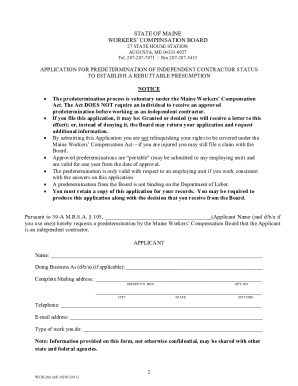
The process of obtaining an FVRO or VRO begins with filing an application at the appropriate legal institution, typically a family court. Applicants need to provide detailed information about their relationship with the respondent and the nature of the abuse endured. The court reviews this information to determine whether the order is warranted.
Steps to Complete the Application
- Collect Evidence: Gather any supporting documentation or witnesses that can corroborate instances of abuse.
- Complete the Application Form: Fill in the details of the abuse and relationship status.
- Submit the Application: File the completed form at the designated court or online portal, where available.
- Attend a Hearing: Present your case in court, often with legal representation, to explain why the restraining order is necessary.
- Receive the Court's Decision: The court decides based on evidence and testimonies provided.
Legal Implications and Compliance
A Family Violence Restraining Order legally binds the respondent to specific restrictions to ensure the safety of the protected individual. Violating these terms could lead to legal consequences, emphasizing the importance of understanding and compliance.
Key Legal Terms
- Applicant: The person seeking the order.
- Respondent: The individual against whom the order is sought.
- Restraining Order: A legal mandate restricting certain actions by the respondent.
Penalties for Non-Compliance
Failure to adhere to the stipulations of an FVRO or VRO may result in fines, jail time, or additional legal actions. It's crucial for respondents to understand the specific conditions and communicate any uncertainties to avoid inadvertent violations.
State-Specific Guidelines
Each U.S. state may have unique rules and procedures for filing and enforcing FVROs and VROs. It's important for applicants to familiarize themselves with local laws to navigate the process effectively.
Examples of State Variations
- California: Expands the definition of domestic abuse to include cyber harassment.
- Texas: Requires a hearing within a specific timeframe after the application is submitted.
- New York: Emphasizes the inclusion of child protection clauses within orders.
Importance of the FVRO and VRO
Utilizing an FVRO or VRO can provide peace of mind to victims, ensuring legal protection and a tangible sense of security. These orders serve as a critical measure in both preventing further abuse and allowing victims the opportunity to live without fear of harassment.
Scenarios Where Orders Are Helpful
- Ongoing Harassment: Frequent unsolicited contact or threats from a former partner.
- Dangerous Situations: Incidents of physical violence or credible threats posing an immediate risk.
- Proactive Safety Measures: Anticipatory actions taken to prevent potential abuse, especially when warning signs are present.
Alternatives and Support Systems
For victims seeking additional support, various resources and alternatives to traditional restraining orders are available. These include community support groups, counseling services, and emergency shelters offering immediate refuge and support.
Supporting Organizations
- National Domestic Violence Hotline: Provides 24/7 support and guidance.
- Local Shelters: Offer short-term housing and resources.
- Legal Aid Societies: Assist with navigating legal proceedings and applications.
These resources complement the protective measures offered by a restraining order, fostering a holistic approach to safety and well-being for individuals affected by family violence.