Definition and Meaning
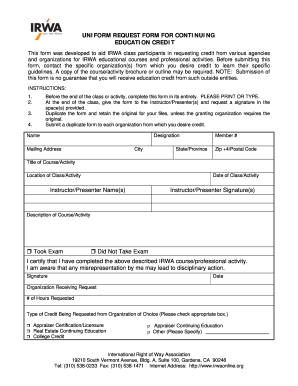
The "Training Center Coordinator" form typically serves as an organizational tool for individuals responsible for managing training programs. These coordinators oversee the scheduling, logistics, and execution of various training sessions or workshops. The form helps detail the specifics, such as key responsibilities, contact information, and resources necessary for effective coordination. It is essential for ensuring that all aspects of a training event are clearly communicated and documented.
How to Use the Training Center Coordinator
To effectively use the Training Center Coordinator form, follow these steps:
- Understanding the Role: Familiarize yourself with the responsibilities of a training center coordinator, including the management of training schedules, resources, and participant registration.
- Completing the Form: Provide detailed information about the training programs, such as dates, locations, and topics covered. Ensure all necessary fields are filled accurately.
- Review and Approve: Verify the information with any involved parties or stakeholders to confirm its accuracy and completeness before finalizing the form.
- Distribute Information: Use the completed form to share details with relevant participants and staff, ensuring everyone is informed about the training logistics.
Key Elements of the Training Center Coordinator
The form encompasses several critical elements vital for executing a successful training session:
- Contact Information: Details of who is responsible for the training coordination, including phone numbers and email addresses.
- Training Details: Information on the topics, duration, and objectives of each session.
- Logistics: Arrangements regarding venue, equipment, and any special requirements.
- Attendance and Registration: Procedures for enrolling participants and tracking attendance.
Steps to Complete the Training Center Coordinator
Completing the Training Center Coordinator form involves several key actions:
- Gather Information: Collect all necessary details, including training topics, instructor profiles, and logistical needs.
- Detail Sessions: Provide a comprehensive overview of each training session, including the objectives and expected outcomes.
- Organize Logistics: Record details about the venue, equipment required, and any other logistical considerations.
- Attendee Management: Outline the process for participant registration and attendance tracking.
Who Typically Uses the Training Center Coordinator
The form is commonly used by:
- Training Coordinators: Individuals directly responsible for the logistics and execution of training programs.
- Human Resources Departments: Teams who incorporate staff training as part of broader employee development initiatives.
- Educational Institutions: Schools or universities that manage workshops, seminars, or other educational events.


Important Terms Related to Training Center Coordinator
Certain terms are essential to understanding the field of training coordination:
- Logistics Management: The process of organizing the details of training, such as scheduling and resources.
- Curriculum Development: Creating and organizing the content for training sessions to ensure learning goals are met.
- Participant Engagement: Techniques used to involve attendees actively in the training process for better learning outcomes.
Legal Use of the Training Center Coordinator
The Training Center Coordinator form must be used in compliance with applicable regulations:
- Data Protection: Ensure that participant information is handled according to privacy laws and organizational policies.
- Accessibility Compliance: Make sure training materials and venues comply with ADA standards, providing equal access to participants with disabilities.
- Contractual Obligations: Be aware of any legal agreements related to venue rental, instructor hiring, or service provisions involved in the training.
Examples of Using the Training Center Coordinator
Organizations utilize the Training Center Coordinator form in various scenarios:
- Corporate Training: Companies use it to manage employee development programs and ensure seamless execution.
- Educational Workshops: Institutions organize academic or skill-enhancement workshops with the help of this form for effective management.
- Technical Workshops: Technical training sessions, such as the RS&GIS Technical Workshop, frequently rely on this form for planning and documentation.