Petition 2026

Get Form
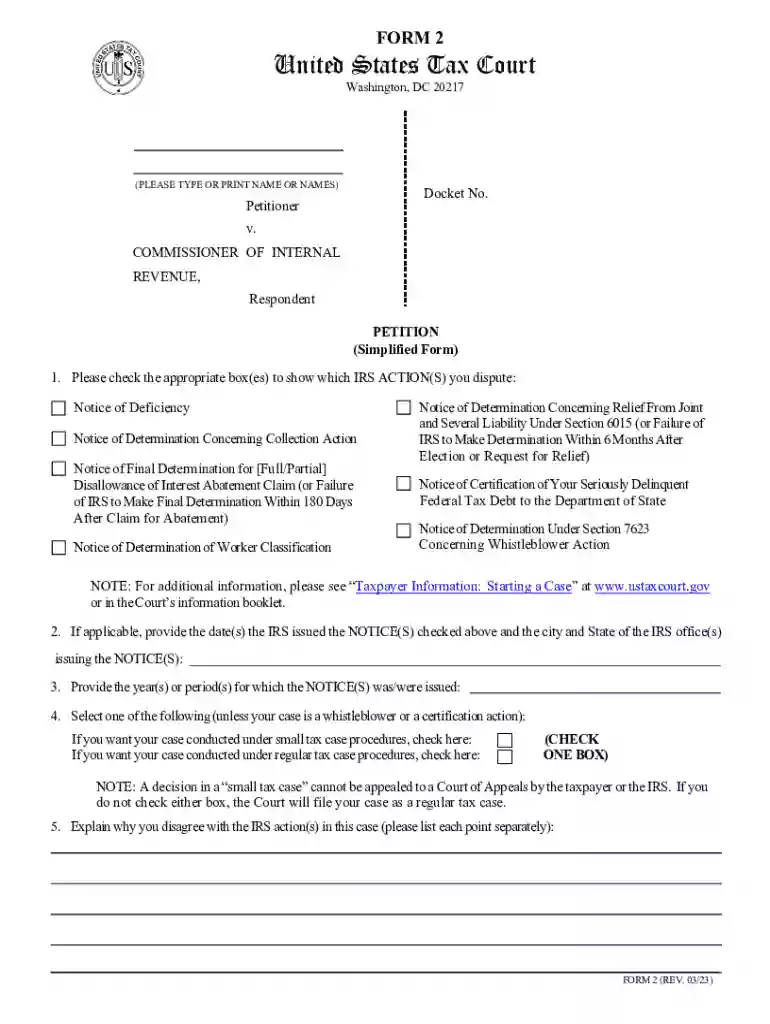
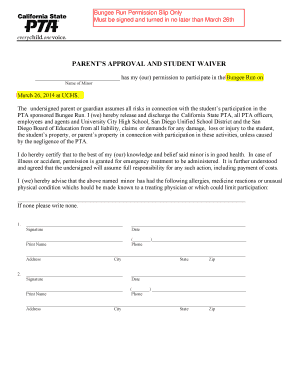
Petition Preview on Page 1

Here's how it works

01. Edit your form online
Type text, add images, blackout confidential details, add comments, highlights and more.

02. Sign it in a few clicks
Draw your signature, type it, upload its image, or use your mobile device as a signature pad.

03. Share your form with others
Send it via email, link, or fax. You can also download it, export it or print it out.

Definition and Meaning

A petition is a formal written request addressed to a particular authority, organization, or institution, seeking redress or action on a specific issue. In the legal realm, it often pertains to court proceedings and disputes, serving as an official document for initiating legal action. Petitions are used extensively in various contexts, including legislative changes, civil actions, and administrative reviews. They articulate the grievances, demands, or desires of the petitioner and are structured to persuade the recipient to act favorably on the presented matter.

Petitions, in both legal and civic contexts, play a critical role in expressing collective or individual concerns, marking the foundation of many democratic processes. Typically, they include specific requests or demands, supporting facts or evidence, and signatures from those endorsing the petition.

Key Elements of a Petition

A well-prepared petition consists of several vital elements ensuring its effectiveness and clarity. These include:

  • Title of the Petition: Concisely states the purpose and the action sought.
  • Identification of the Petitioner(s): Information about the individual or group initiating the petition.
  • Statement of Facts: Background information and relevant facts that support the petition.
  • Legal Grounds or Justifications: The legal basis or rationale for the requested action.
  • Relief or Action Sought: Specific changes or actions the petition aims to achieve.
  • Signatures: Endorsements from supporters which can be critical for credibility and weight.

Each of these components contributes to the petition’s overall goal to influence decision-makers or prompt action from the relevant authorities.

How to Use the Petition

Using a petition effectively involves strategic planning and execution. Successful use of a petition requires identifying the right audience and ensuring that the content is tailored to resonate with them. Here's how petitions are typically used:

  1. Define the Objective: Clearly establish the goal of the petition and who or what it targets.
  2. Draft the Document: Use precise language to articulate the issue, providing evidence and legal grounds where necessary.
  3. Gather Support: Collect endorsements from stakeholders who have vested interests in the outcome or are directly affected by the issue.
  4. Submit to the Authority: Present the petition to the relevant body or official, following the proper protocol required by the jurisdiction or institution.
  5. Follow-Up Actions: Engage with the decision-making process post-submission, such as attending meetings, providing additional information, or organizing supporting campaigns.

This process not only helps achieve the desired results but also raises awareness and gathers community support for the addressed matter.

Steps to Complete the Petition

Completing a petition involves several methodical steps to ensure appropriateness and compliance with legal standards:

  1. Research: Investigate the issue thoroughly to understand the legal, social, and procedural nuances.
  2. Write the Petition: Begin with a headline, followed by a detailed statement of the case, and conclude with a request for action or relief.
  3. Review and Edit: Ensure the petition is free of errors and accurately represents the issue. Legal precision is crucial.
  4. Collect Signatures: Utilize both physical and digital means to collect signatures; verify the authenticity of signatories.
  5. Submit the Petition: File the petition according to the prescribed methods, such as online, mail, or in-person, based on the entity's requirements.
  6. Monitor the Progress: Keep track of the petition status and remain prepared to respond with more information if needed.

This step-by-step approach helps in creating a compelling and procedurally sound petition.

Legal Use of the Petition

Petitions serve various purposes within the legal framework, often initiating a legal process or requesting a change in legal status or rights. Common legal uses include:

  • Filing for Court Orders: Such as restraining orders, custody disputes, or injunctions.
  • Appeals and Reviews: Requesting the reconsideration of a decision or judgment.
  • Initiating Lawsuits: Launching legal action against individuals or entities.
  • Requesting Legislative Changes: Proposing new legislation or amendments to existing laws.

Legal petitions often require adherence to strict formats and procedural rules defined by the court or jurisdiction to be considered valid.

Filing Deadlines and Important Dates

Filing a petition often comes with specific deadlines that must be observed to preserve one's legal rights. These timelines vary depending on the type of petition and the governing laws of the jurisdiction. Key points include:

  • Statutory Deadlines: Many petitions have legal time limits that, if missed, can lead to dismissal.
  • Court-Imposed Timelines: Timelines may be set by the court for filing responses or additional documents.
  • Agency Deadlines: Administrative petitions may have differing timelines from legal petitions.

Understanding these time-sensitive elements helps prevent legal disadvantages and ensures the petition is considered by the relevant authority.

Required Documents

Filing a petition may require the submission of several supporting documents, which can include but are not limited to:

  • Identification Documents: Photocopies of valid ID for verification.
  • Supporting Evidence: Any documentation corroborating the petition claims – could include affidavits, contracts, or written testimonies.
  • Legal Citations: References to laws or precedents supporting the claims.

Proper preparation of these documents aids in presenting a robust and credible petition.

Digital vs. Paper Version

Petitions today can be filed both digitally and on paper, each with its own advantages:

  • Digital Submission: Offers convenience, faster processing, and often easier means of collection for signatures and endorsements. It is environmentally friendly and facilitates broader outreach.
  • Paper Submission: Although more traditional, it can still offer a personal touch, particularly in communities where digital literacy is low or there is limited internet access.

Understanding the nuances and suitability of each format helps in choosing the best approach for the successful submission of a petition.

Who Typically Uses the Petition

Petitions are employed by diverse groups and individuals across various sectors:

  • Individuals: For personal grievances or legal matters requiring judicial intervention.
  • Nonprofit Organizations: Often used to advocate for social or legislative changes.
  • Businesses: Seeking regulatory approvals or contesting regulatory decisions.
  • Community Groups: Aiming to demonstrate local support for community-focused initiatives.

Recognizing who employs petitions and why aids in understanding the strategic intent behind their usage and crafting them accordingly for the intended audience.


decoration image ratings of Dochub
be ready to get more

Complete this form in 5 minutes or less

Get form

Got questions?

We have answers to the most popular questions from our customers. If you can't find an answer to your question, please contact us.
Contact us
1. a solemn, earnest supplication or request to a superior or deity or to a person or group in authority; prayer or entreaty. 2. a formal writing or document embodying such a request, addressed to a specific person or group and often signed by a number of petitioners.
a request made for something desired, especially a respectful or humble request, as to a superior or to one of those in authority; a supplication or prayer. a petition for aid; a petition to God for courage and strength.
1. : an earnest request : entreaty. 2. : a formal written request made to a superior or authority. petition.

Security and compliance

At DocHub, your data security is our priority. We follow HIPAA, SOC2, GDPR, and other standards, so you can work on your documents with confidence.

Learn more
ccpa2
pci-dss
gdpr-compliance
hipaa
soc-compliance
be ready to get more

Complete this form in 5 minutes or less

Get form