




01. Edit your form online
Type text, add images, blackout confidential details, add comments, highlights and more.

Type text, add images, blackout confidential details, add comments, highlights and more.

Draw your signature, type it, upload its image, or use your mobile device as a signature pad.

Send it via email, link, or fax. You can also download it, export it or print it out.
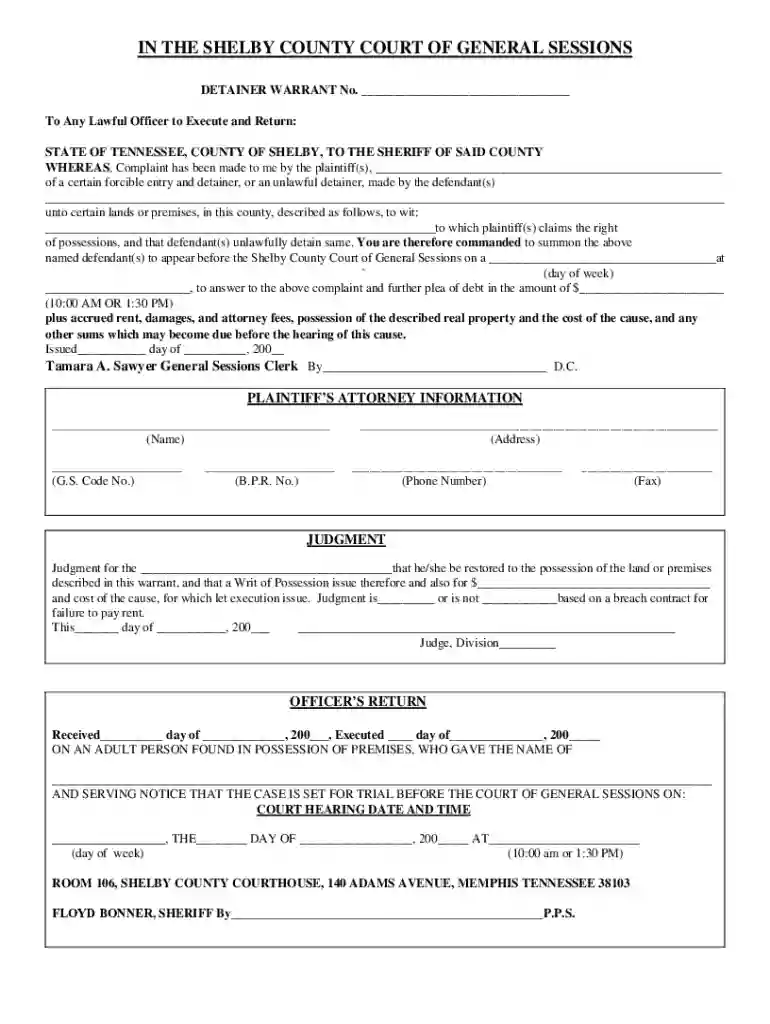
A Detainer Warrant is a legal document issued by a court, often the Court of General Sessions in Tennessee, to address disputes over the unlawful possession of property. This form is typically used when a property owner claims that a tenant or other occupant is unlawfully detaining a property. The Detainer Warrant commands the sheriff to summon the defendant for a court hearing. It details the plaintiff's claims, including possession issues, associated debts, and any legal fees involved. Understanding the Detainer Warrant is crucial as it initiates legal proceedings aimed at resolving property disputes and ensuring the return of the property to its rightful owner.
The Detainer Warrant is a critical instrument in the legal process of reclaiming property. Here’s how it is typically used:
Filing the Warrant: The property owner or plaintiff files the Detainer Warrant with the appropriate court. The warrant must detail the allegations of unlawful detainer.
Serving the Defendant: Once filed, the warrant is delivered to the defendant by the sheriff. This step is crucial as it formally notifies the defendant of the legal action and the court date.
Court Hearing: Both parties present their arguments. The court examines evidence provided to determine whether the detainer is unlawful.
Judgment: Based on presented facts and evidence, the court renders a decision. This might include a judgment for possession and potentially an order for the defendant to vacate the property.
Enforcement: If the court sides with the plaintiff, the defendant must comply with the court’s decision or face further legal action.
Understanding the terminology associated with Detainer Warrants helps in navigating the legal processes:
In the U.S., particularly in Tennessee, the Detainer Warrant serves specific legal purposes:
These warrants are legal mechanisms that respect due process, ensuring that all involved parties have a fair hearing.
The Detainer Warrant contains several essential components:
These elements ensure that the document serves its purpose effectively within the legal system.
The process of completing a Detainer Warrant involves several steps:
Obtain the Form: Available from local court offices or online portals, ensuring you have the correct version for your jurisdiction.
Fill Out Accurate Details: Input all necessary information regarding plaintiff and defendant, and clearly state claims of unlawful possession.
File with the Court: Submit the completed form to the pertinent court, accompanied by any required fees.
Ensure Proper Service: Verify that the defendant receives the warrant through the appropriate legal channels.
Prepare for the Hearing: Gather all necessary evidence and documents to support claims made in the warrant.
Different states might have unique rules governing the use of Detainer Warrants:
Familiarity with state-specific rules is vital to ensure compliance and effectiveness of the warrant.
Practical scenarios illustrate how the Detainer Warrant is used:
These examples highlight the warrant's role in safeguarding property rights through legal channels.
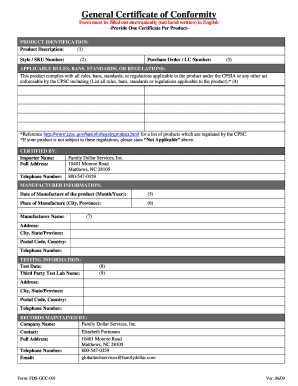
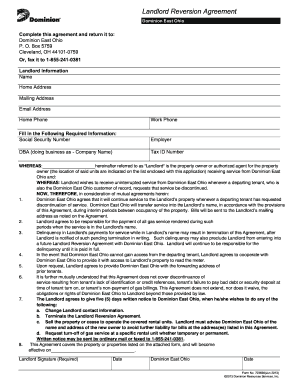
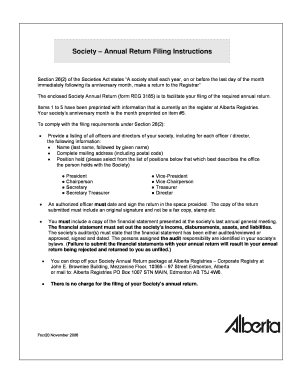
We've got more versions of the Detainer Warrant form. Select the right Detainer Warrant version from the list and start editing it straight away!
At DocHub, your data security is our priority. We follow HIPAA, SOC2, GDPR, and other standards, so you can work on your documents with confidence.
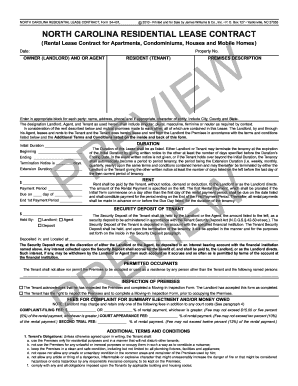
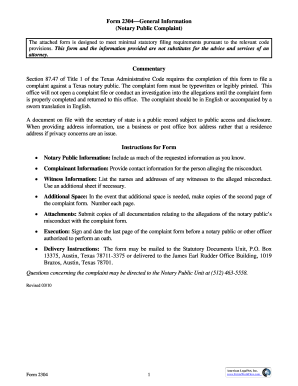
s: Detainer Warrant Courtroom. Civil Warrant Courtroom. Serving Nashville Davidson County Metropolitan Courthouse 302 Nashville, TN 37201. Davidson County
When a parolee is serving a new sentence in a federal, state or local institution, a parole violation warrant may be placed against him as a detainer.


