




01. Edit your form online
Type text, add images, blackout confidential details, add comments, highlights and more.

Type text, add images, blackout confidential details, add comments, highlights and more.

Draw your signature, type it, upload its image, or use your mobile device as a signature pad.

Send it via email, link, or fax. You can also download it, export it or print it out.
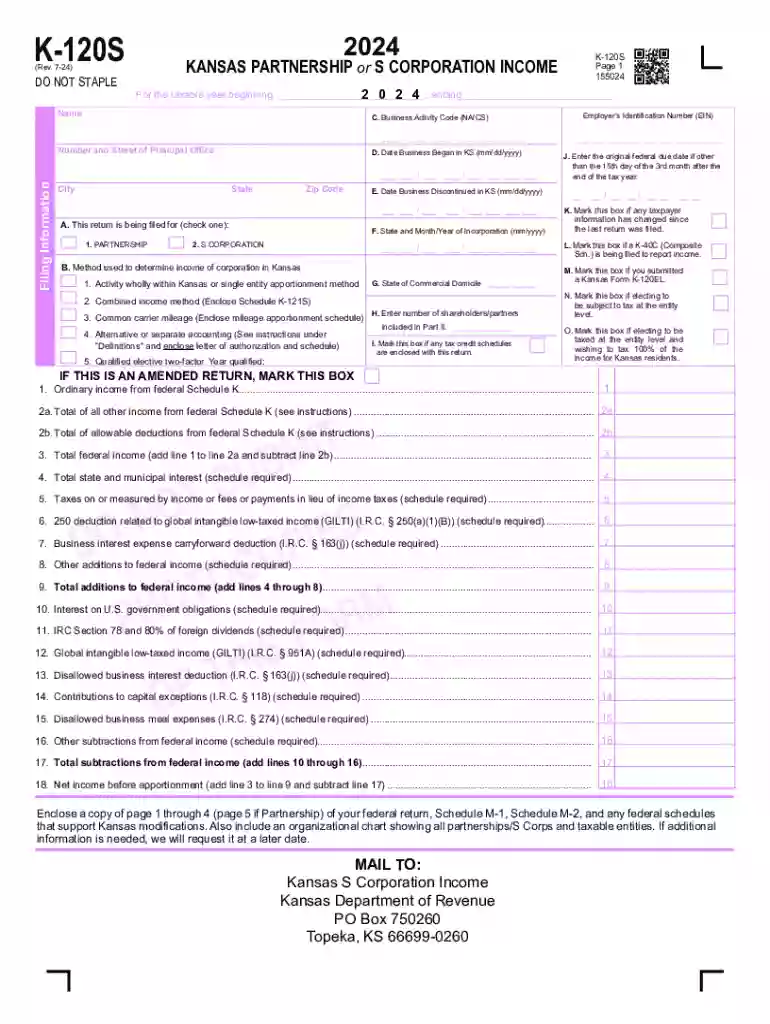
The K-120s is a specific income tax form used by partnerships and S corporations in Kansas to report their income, deductions, and other pertinent financial information. As a key component of the Kansas tax filing system, this form aids in the calculation and reporting of state taxes owed by these business entities. Understanding the precise definition and purpose of the K-120s is critical for ensuring compliance and accurate reporting. It serves as a standardized method for businesses operating within Kansas to disclose their financial activities to the state's revenue department.
The K-120s can be obtained directly from the Kansas Department of Revenue's website or by contacting their offices to request a physical copy. Additionally, many tax preparation software tools such as TurboTax and QuickBooks support the K-120s form, allowing for easier preparation and filing. Digital access ensures that the most current version is used, aligning with any recent updates to tax regulations.
In alignment with Kansas state regulations, the K-120s must typically be filed by the 15th day of the fourth month following the end of the tax year. For most businesses, this means an April 15 filing deadline. Failure to meet this deadline can result in penalties and interest on taxes owed, emphasizing the importance of timely and complete submission.
The K-120s is legally mandated for partnerships and S corporations conducting business in Kansas. Compliance ensures that businesses properly report their financial activities to the state, aiding in the fair assessment of taxes. The form aligns with the Kansas legal framework, ensuring that tax liabilities are correctly determined based on reported income and deductions.
Kansas has unique tax rules that affect how income is apportioned and reported on the K-120s. Businesses operating in multiple states must carefully adhere to these rules to determine their taxable income within Kansas. The state's apportionment formula considers sales, property, and payroll factors, which differ from federal requirements and those of other states.
The K-120s is designed primarily for use by partnerships and S corporations operating within Kansas. These entities use the form to report their share of income, deductions, credits, and other relevant tax information to the state. Proper use of the K-120s is essential for maintaining compliance and ensuring that state tax obligations are met accurately and efficiently.


Failing to file the K-120s by the due date, misrepresenting information, or underreporting income can lead to significant penalties. These may include monetary fines, interest on unpaid taxes, and potential legal action. Understanding and adhering to filing requirements is critical to avoid these repercussions and maintain good standing with the Kansas Department of Revenue.
We've got more versions of the K-120s form. Select the right K-120s version from the list and start editing it straight away!
At DocHub, your data security is our priority. We follow HIPAA, SOC2, GDPR, and other standards, so you can work on your documents with confidence.
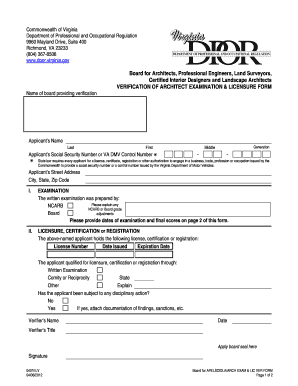
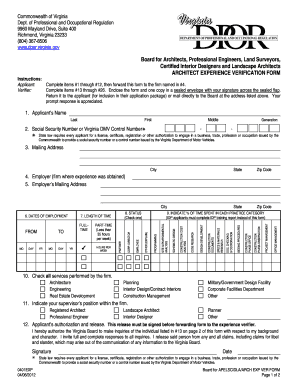
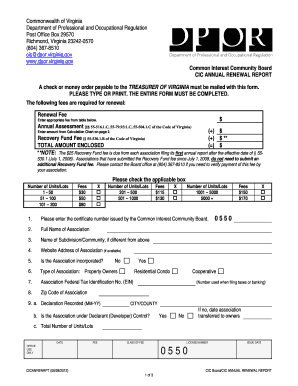

A Partnership return (K-120S) must be completed by any business partnership, syndicate, pool, joint venture or other such joint enterprise to report income
Ghostwriter monitors the health of its services in two ways: Docker health checks and internal monitoring and testing. Run every 120s ( HEALTHCHECKINTERVAL ,


