Definition and Meaning
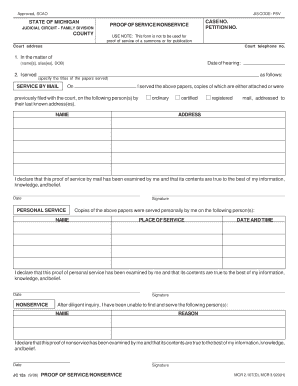
The "YIT Michigan" form is a crucial document used to determine eligibility for the Youth in Transition program in Michigan. This program assists young individuals previously in foster care, providing them with financial support to ease the transition into adulthood. The form outlines specific criteria, such as age and foster care history, that applicants must meet to qualify for assistance. It serves as a checklist, capturing essential documentation and facilitating the verification process by relevant authorities.
Steps to Complete the YIT Michigan
-
Gather Required Information: Begin by collecting all necessary personal information, including age, previous foster care status, and contact details.
-
Documentation: Secure supporting documents that validate your eligibility, such as proof of age and records of foster care placement.
-
Form Completion: Carefully fill out each section of the form, ensuring that all information is accurate and complete. Pay particular attention to required fields to avoid delays in processing.
-
Review and Sign: Double-check the completed form for any errors or omissions. After ensuring all details are correct, sign the document where applicable.
-
Submit the Form: Follow submission guidelines, ensuring that you send the form alongside the required documentation to the appropriate office. Always confirm submission deadlines to prevent any issues related to late filing.
Eligibility Criteria
Eligibility for the YIT Michigan program hinges on several factors:
-
Age Limit: Applicants must meet specific age requirements, typically being within the youth demographic transitioning to independence.
-
Foster Care History: Candidates must have past involvement in Michigan's foster care system.
-
Documentation: Proper documentation supporting these criteria must accompany the application to validate claims.


Required Documents
Several documents are typically required when applying for the YIT Michigan program:
-
Proof of Age: A birth certificate or state-issued identification that confirms the applicant's age.
-
Foster Care Records: Official documents that verify the candidate's history in foster care, outlining duration and placement details.
-
Identification: Valid identification to support the applicant's identity and residency within Michigan.
Important Terms Related to YIT Michigan
Familiarity with specific terms is critical for successfully navigating the YIT Michigan form:
-
Youth in Transition (YIT): A program providing funding support to youth previously in foster care to facilitate adult transition.
-
Eligibility Determination: The process of confirming whether an applicant meets the set criteria for receiving program benefits.
-
Verification: The act of checking and confirming the validity of provided information and documents.
State-Specific Rules for YIT Michigan
Michigan state regulations may impose unique guidelines for the YIT program:
-
Program Specifics: Some requirements and benefits associated with YIT might differ compared to programs in other states based on Michigan's legislative framework.
-
Document Standards: Specific formats for documentation might be required to meet state verification standards.
Key Elements of the YIT Michigan
The form comprises several critical elements ensuring comprehensive processing:
-
Personal Information Section: Gathers essential data about the applicant's identity and background.
-
Eligibility Criteria Checklist: An itemized list capturing key qualifying aspects like age and foster care status.
-
Signature Fields: Areas designated for the applicant's authorization and consent, essential for form validity.
How to Obtain the YIT Michigan
Acquiring the YIT Michigan form involves several straightforward steps:
-
Contact Local Agencies: Reach out to state foster care or youth services offices in Michigan to obtain the form. These departments can offer guidance on downloading or picking up paper versions.
-
Online Access: If available, an electronic version may be accessed through official state websites, providing a convenient option for applicants comfortable with digital submissions.
-
Community Resource Centers: Often, community centers supporting youth services will have physical copies of the form and can provide additional assistance in understanding its contents.